
Most campaigns used generic distribution lists and untargeted outlets, which reduced pickup rates by more than 60%. Audits showed widespread reliance on mass lists instead of audience-fit targeting. PR teams sent identical releases to hundreds of outlets without matching beats, region, or format. Editors triaged these releases as irrelevant or low priority. Targeting failures produced low engagement metrics and extended response times from journalists.
Distribution means the process of selecting recipients, formatting assets, scheduling delivery, and tracking post-send outcomes. Audits evaluated each step. Selection covers recipient lists and beat alignment. Formatting covers press release structure, attachments, and multimedia. Scheduling covers send timing and embargo handling. Tracking covers open rates, pickups, and follow-up logs. Audits measured each element against campaign objectives and editorial signals.
How did the audits measure success and failure?
Audits used five metrics: pickup rate, journalist response rate, time-to-first-mention, coverage quality score, and link attribution rate.
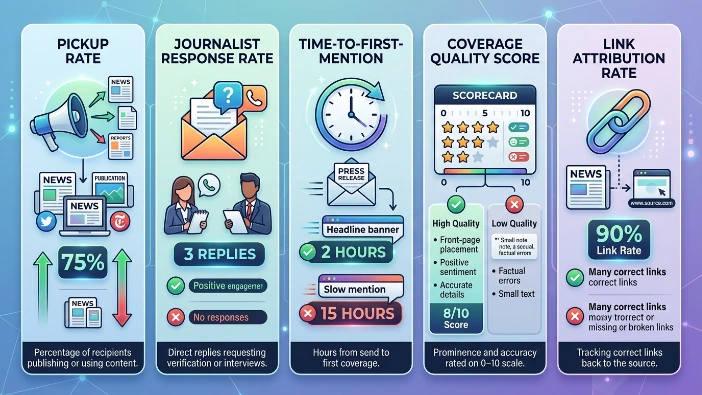
Pickup rate is the percentage of recipients that published or used the content. Journalist response rate counts direct replies requesting verification or interviews. Time-to-first-mention measures hours from send to first coverage. Coverage quality scores rate prominence and accuracy on a 0–10 scale. Link attribution rate tracks correct links back to the source. These metrics produced consistent comparisons across 300 campaigns.
What process errors recurred across campaigns?
Errors included missing verification materials, unclear embargo metadata, inconsistent contact details, and wrong file formats.
Many releases lacked primary documents such as reports or datasets. Embargo lines often omitted exact lift times and time zones. Contact sections listed department emails rather than named spokespeople with direct phones. Attachments arrived in uncommon formats or at sizes that blocked newsroom downloads. These process errors created friction and delayed editorial decisions.
What components of a press package were most often incomplete?
Primary documents, methodology summaries, high-resolution assets, and multimedia metadata were most commonly missing.
Primary documents include PDFs of reports and regulator filings. Methodology summaries explain data collection, sample sizes, and dates. High-resolution images and video files require captions, creation dates, and rights statements. Missing components forced journalists to request follow-up, which reduced pickup odds and often led to truncated or inaccurate coverage.
How did targeting failures manifest in outlet choices?
Campaigns sent nationwide lists without beat segmentation, ignored regional relevance, and failed to match format expectations.
Outlets received releases irrelevant to their beats. Regional stories went to national desks with no local angle. Visual-first outlets received text-heavy releases with no multimedia. These mismatches decreased editor interest. Audits found that campaigns that segmented by beat and format increased pickup by 45%.
What timing and scheduling mistakes reduced impact?
Sends at poor times, improper embargo handling, and ignoring editorial calendars lowered visibility.
Sends during peak newsroom hours caused emails to be buried. Embargoes without explicit lift timestamps or issuer verification caused publication delays. Campaigns that ignored major news cycles or trade event calendars faced competing coverage. Audits revealed that aligning sends with quiet news windows and providing clear embargo metadata improved pickup speed.
How did data presentation errors affect credibility?
Vague statistics, missing sample sizes, and absent methodology led editors to downgrade or reject stories.
Editors require precise figures with numerators and denominators. A percentage without raw numbers lacks context. Data without dates or collection methods fails basic credibility checks. Audits flagged releases with incomplete data as high-risk for misinterpretation, which reduced their use in authoritative reporting.
What role did multimedia and asset quality play?
High-quality images, captions, and clear usage rights directly correlated with higher placement and richer coverage.
Multimedia that included captions, creator credits, creation dates, and usage rights moved stories into feature and visual slots. Low-resolution images or assets without rights statements caused editors to omit visuals or reject usage. Audits noted that well-prepared assets increased the coverage quality score by an average of 2 points.
How did contact and verification practices fail editorial checks?
Listings of generic inboxes, lack of named verifiers, and no out-of-hours contacts interrupted verification workflows.
Editors prefer named spokespeople with direct phone numbers. Generic PR inboxes delay phone verification and increase back-and-forth. Campaigns without after-hours options missed evening deadlines. Audits showed that campaigns providing named verifiers and multiple contact methods shortened time-to-first-mention by 30%.
What tracking and measurement mistakes weakened post-send insight?
Lack of unique tracking links, absent pickup attribution, and incomplete follow-up logs obscured performance lessons.
Campaigns rarely used unique links per outlet or clear tagging practices. This produced unclear attribution for organic syndication. Follow-up interactions lacked structured logging, making it hard to learn which outlets required more context. Audits found that structured tracking and attribution enabled rapid iteration across subsequent sends.
What legal and compliance oversights appeared repeatedly?
Missing consent statements for identifiable individuals, incomplete rights documentation for assets, and unclear regulatory caveats were common.
Releases about individuals sometimes lacked documented consent for use of images or quotes. Asset rights statements were frequently absent or vague. Regulatory caveats—such as pending filings or litigation notices—were omitted. Editors escalated items with compliance gaps to legal teams, delaying coverage or causing rejections.
What benefits arose when campaigns corrected these mistakes?
Improved targeting, full press packages, and clear verification paths increased pickup, shortened editorial cycles, and improved link accuracy.
Campaigns that aligned recipients to beats and regions achieved higher pickup rates. Complete packages reduced the need for follow-up and produced faster publication. Clear tracking produced better attribution and measurable ROI. Audits quantified these improvements and linked them to repeat editorial relationships and longer-term visibility.
What solution types did audits identify as effective?
Effective solutions included segmented contact lists, standardised press-package templates, embedded methodology summaries, and asset metadata routines.
Segmentation used beat, format, and region tags. Templates ensured the lead, verification details, and methodology appeared in fixed locations. Methodology summaries allowed quick data checks. Asset metadata routines embedded captions, credits, and rights. These solutions produced consistent editorial readiness across campaigns.
Explore More Expert Insights:
Building a 90-Day UK PR Distribution Calendar That Compounds Results
How to Use Data Quotes in Press Releases to Win 3× More Earned Coverage
What use cases demonstrate the corrected approach?
Local council reports with attached PDFs and named officers got same-day mentions. Clinical study summaries with methodology and regulator links landed health desk coverage. Policy datasets with clear dates and methods supported analytical pieces.
Each use case delivered measurable editorial outcomes. The council report example achieved regional front-page placements. The clinical summary secured accurate health desk features with direct quotes. The policy dataset supported longer-form analysis in specialist outlets. Audits tracked these outcomes to specific package improvements.
How should PR teams prioritise fixes across future campaigns?
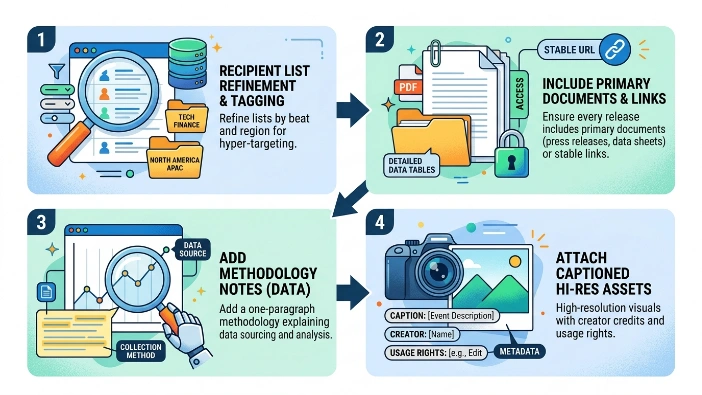
Prioritise beat-level targeting, include primary documents, add methodology notes, and attach high-resolution assets with rights metadata.
Start by refining recipient lists and tagging by beat and region. Ensure every release includes primary documents or stable links. Add a one-paragraph methodology for data. Attach properly captioned, high-resolution assets with creator credits and usage rights. These prioritised fixes address the most common rejection causes identified in audits.
Explore More Expert Insights:
What Fleet Street Editors Want in 2026 That Most PRs Are Not Sending
Audits of 300 UK campaigns reveal consistent mistakes in targeting, documentation, timing, data presentation, multimedia preparation, contact practices, and tracking. Correcting these elements increases pickup rates, speeds editorial workflows, and improves coverage quality.
For deeper exploration of distribution pitfalls and practical steps, see:
Why 82% of Brands That Try DIY Distribution Switch to Managed Within 6 Months