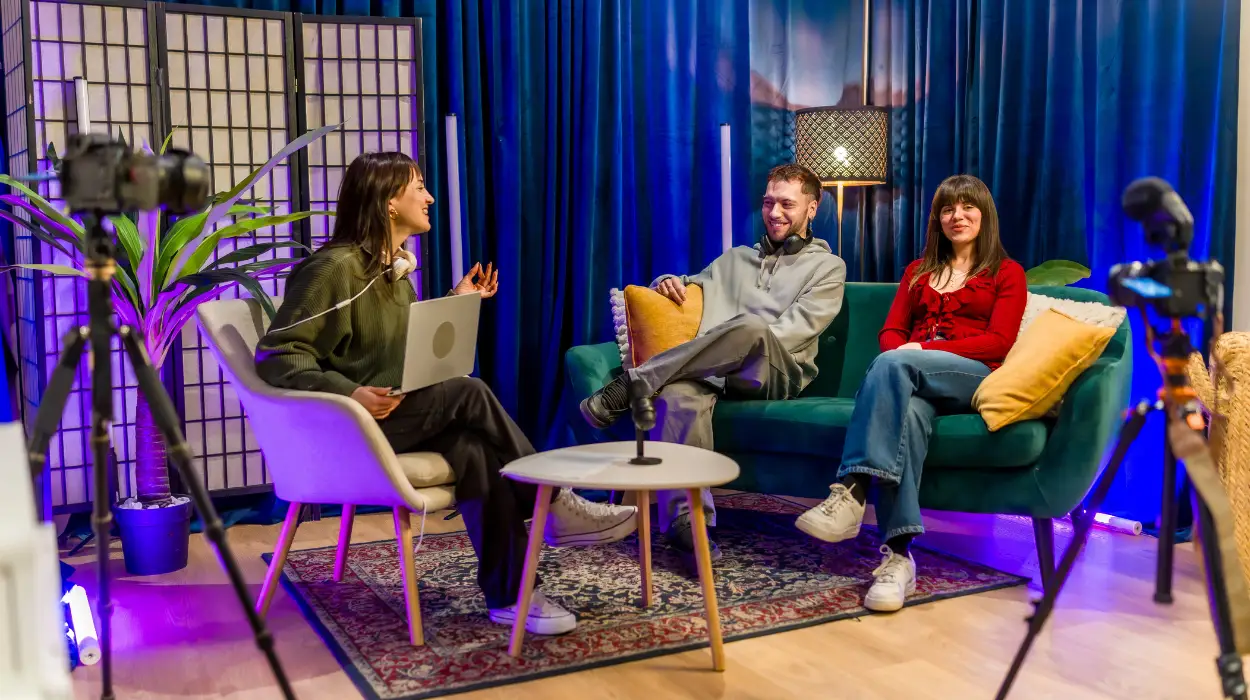
Sponsored content is paid promotional material created by brands and published by creators on digital platforms. Creators receive compensation for integrating brand messages into their content. This monetisation method generates revenue through partnerships. Transactions occur via agreements specifying deliverables and payments.
Sponsored content involves creators producing articles, videos, or posts that feature a brand’s product or service. Brands pay creators to reach targeted audiences. The content blends seamlessly with the creator’s regular output. Creators disclose sponsorships using labels like “ad” or “#sponsored” to meet legal standards in the United Kingdom.
This practice emerged with the growth of influencer marketing. Platforms such as Instagram, YouTube, and blogs host sponsored content. Creators negotiate terms directly with brands or through agencies. Payments range from £500 for micro-influencers to £100,000 for top creators, based on audience size and engagement rates.
How does sponsored content differ from traditional advertising?
Sponsored content integrates into the creator’s voice, unlike banner ads or TV commercials. Viewers perceive it as authentic recommendations. Data from 2023 shows sponsored posts achieve 3.5 times higher engagement than standard ads. Creators maintain editorial control while meeting brand guidelines.
What is sponsored content monetisation?
Sponsored content monetisation is the process where creators earn income by producing brand-sponsored material. Creators pitch ideas, negotiate deals, and deliver content. Revenue comes from flat fees, affiliate commissions, or performance bonuses. This method accounts for 25% of creator earnings in 2025.
Creators monetise sponsored content by leveraging their audience trust. They identify brands aligned with their niche, such as fashion or tech. Initial outreach happens via email or platform DMs. Successful deals result in contracts outlining content type, posting schedule, and payment structure. In 2024, UK creators earned an average of £45,000 annually from sponsorships.
Monetisation scales with follower count. Creators with 10,000 followers charge £200 per post. Those with 1 million followers command £5,000 or more. Tracking tools measure performance through metrics like views and clicks. Repeat partnerships build long-term revenue streams.
Why do creators pursue sponsored content monetisation?
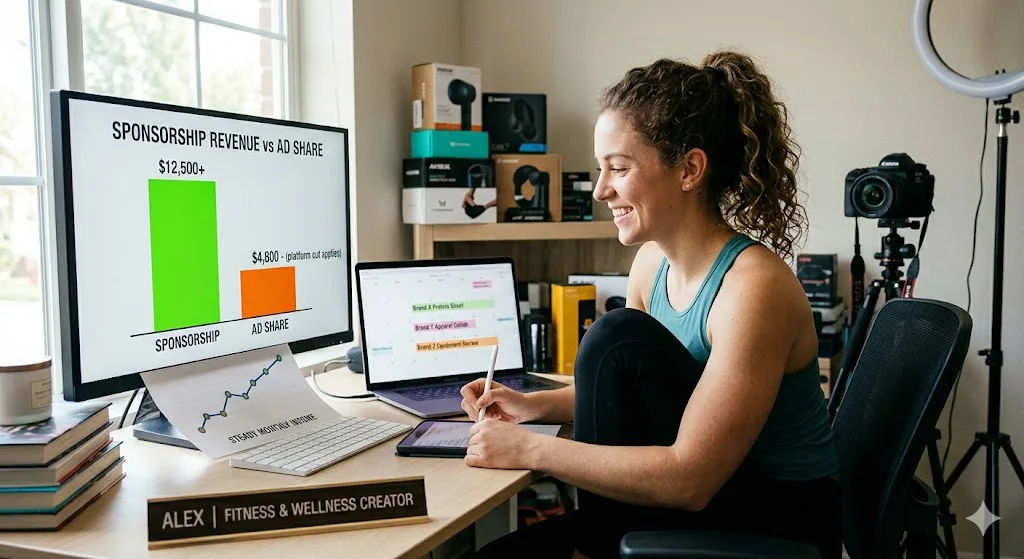
Creators choose this method for steady income without relying on ad revenue shares. Platforms take 30-45% cuts from ads, while sponsorships deliver full payments. Niche creators in fitness or beauty secure 5-10 deals monthly. This approach supports full-time content creation careers.
How do creators find sponsored content opportunities?
Creators find opportunities by building media kits, joining marketplaces, and networking with brands. They showcase audience demographics, engagement rates, and past work. Platforms like Instagram and TikTok facilitate brand discovery through creator tools. Direct pitches convert 20% of outreach efforts.
Creators compile media kits with screenshots of top posts, analytics from platform insights, and rate cards. They share these on personal websites or Linktree profiles. Marketplaces connect creators to brands without agencies. In the UK, 40% of creators use these platforms for initial leads.
Networking occurs at industry events or online communities. Creators monitor brand social media for campaign announcements. Hashtag searches like #BrandCollab reveal open calls. Consistent content posting attracts inbound inquiries from brands seeking partnerships.
What tools help creators pitch to brands?
Creators use Canva for media kits and Google Analytics for traffic proof. Email templates streamline pitches with subject lines like “Fitness Collaboration Opportunity.” Scheduling tools like Later ensure timely posts. These resources increase response rates by 15%.
What steps do creators follow to create sponsored content?
Creators follow a six-step process: research brand, sign contract, develop brief, produce content, review, and publish. Each step ensures alignment and compliance. Production takes 5-20 hours per piece. Payments release upon approval and posting.
The process starts with brand research. Creators review past campaigns and audience fit. Contracts specify deliverables, such as one Instagram Reel and story series. Creative briefs outline key messages and hashtags. Creators draft scripts or outlines for approval.
Production involves filming or writing with brand assets like logos. Reviews allow two rounds of feedback. Creators add disclosures at the post’s start. Publishing follows the agreed schedule, followed by performance reports. This structured approach completes 90% of projects on time.
How do creators ensure content authenticity?
Creators infuse personal experiences into sponsored posts. They test products and share genuine feedback. Visuals match their style, avoiding generic stock images. Audience polls gauge interest beforehand. This maintains trust and boosts engagement by 40%.
What are the key components of sponsored content agreements?
Agreements include payment terms, content specifications, usage rights, and performance metrics. Flat fees average £1,000 per post. Usage rights cover reposting by brands. Exclusivity clauses prevent competing promotions for 30-90 days.
Payment terms detail amounts, milestones, and invoices. Half upfront protects creators. Content specs list formats, lengths, and calls-to-action. Usage rights grant brands permission for their channels. Metrics track impressions, clicks, and conversions via UTM links.
Exclusivity ensures brands receive unique promotion. Termination clauses cover breaches. Governing law in the UK protects both parties. Signed digital contracts via DocuSign speed processes. These components prevent disputes in 95% of deals.
How do creators negotiate better terms?
Creators reference competitor rates and past successes. They propose add-ons like extra stories for 20% more pay. Bundle deals across posts increase total value. Data-backed pitches highlight ROI from previous campaigns. Negotiations raise fees by 25% on average.
What benefits does sponsored content monetisation offer creators?
Benefits include reliable revenue, audience growth, and product access. Creators earn 2-5 times more than ad revenue. Partnerships expand reach by 30%. Free products reduce personal expenses by £2,000 yearly.
Reliable revenue comes from fixed payments unaffected by algorithm changes. Platforms adjust ad payouts, but sponsorships remain stable. Audience growth occurs as brands promote creator content. Collaborations introduce new followers matching brand demographics.
Product access provides review samples and early releases. Creators build personal collections or resell items. Tax deductions apply to business expenses in the UK. These benefits sustain 70% of full-time creators.
How does it benefit brands?
Brands gain authentic endorsements reaching engaged audiences. Sponsored content drives 4% conversion rates versus 1% for ads. Targeted niches improve ROI. Long-term partnerships lower acquisition costs by 50%.
What are real-world use cases of sponsored content monetisation?
Use cases include beauty tutorials, tech reviews, and travel vlogs. A fashion creator partners with clothing brands for outfit posts. Tech reviewers unbox gadgets. Travel creators showcase hotel stays. These generate £10,000-£50,000 per campaign.
In beauty, creators demonstrate makeup applications with brand products. Posts include swipe-up links for purchases. Tech use cases feature in-depth gadget tests with benchmarks. Travel vlogs highlight itineraries and amenities.
Food creators recipe videos incorporate ingredients. Fitness influencers share workout gear routines. Gaming streams promote titles with playthroughs. Each case adapts content to platform strengths. Success relies on niche alignment.
How do creators measure use case success?
Creators track engagement rates above 5% as strong. Sales tracked via affiliate links show direct impact. Brand feedback and repeat deals confirm value. Tools like Google Analytics report traffic spikes post-publish.
Interested in practical steps for social media? Explore How Can You Earn Revenue Through Sponsored Content on Social Media Platforms?.
How has sponsored content monetisation evolved?
Evolution started with bloggers in 2010, expanded to Instagram in 2015, and integrated TikTok in 2020. Video formats now dominate with 60% share. AI tools assist brief generation in 2025. Global spend reached £15 billion in 2024.
Early monetisation focused on written reviews. Visual platforms shifted to images and stories. Short-form video exploded usage. Regulations like ASA guidelines in the UK mandated disclosures since 2016.
Current trends include live shopping integrations. Creators use data analytics for predictive pitching. Micro-influencer deals rose 40% for cost efficiency. Future growth targets emerging platforms.
What trends shape its future?
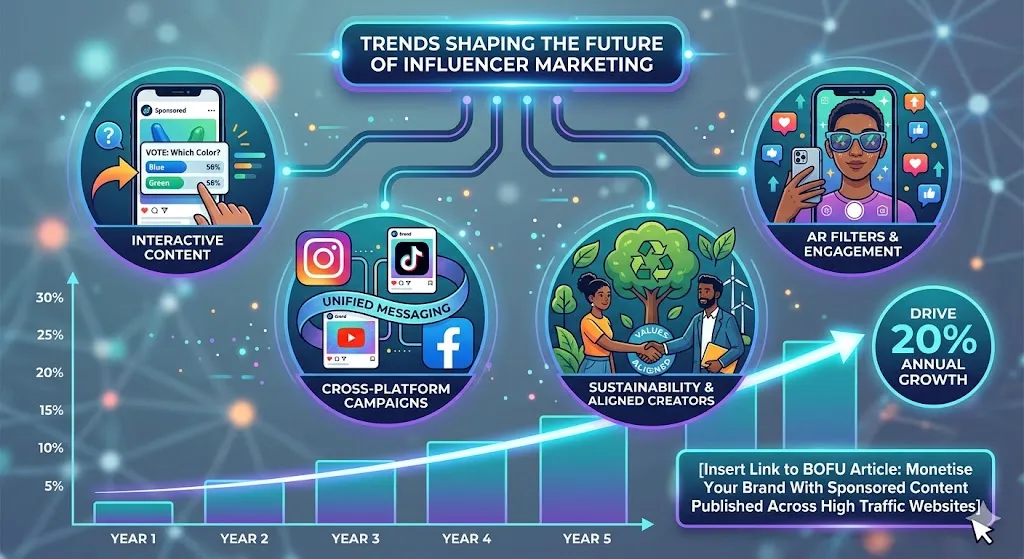
Trends feature interactive content like polls in sponsored posts. AR filters enhance engagement. Cross-platform campaigns unify messaging. Sustainability-focused brands seek aligned creators. These drive 20% annual growth.
For strategies to monetise across high-traffic sites, check Monetise Your Brand With Sponsored Content Published Across High Traffic Websites.