A headline that beats AI filters passes automated quality checks, aligns with editorial intent, and signals unique news value in 12 words or fewer. It uses clear entities, strong verbs, one measurable fact, and outlet-relevant terms.
A headline that clears AI filters satisfies both algorithmic checks and human editors. Algorithms test for relevance, originality, and metadata signals. Human editors check for novelty, clarity, and newsworthiness. In the UK market, editorial priorities include named organisations, geographic relevance, and measurable claims. A headline under 12 words forces prioritisation of the single strongest angle. Entities include person names, organisation names, locations, and numeric data. Use one primary entity only to avoid dilution. Example: “UK Gas Prices Fall 6% After Regulatory Ruling” — this includes a country, metric, and cause.
Why limit a press release headline to under 12 words?
Short headlines improve scanability, increase editorial acceptance, and reduce truncation in search and social previews. They fit mobile display, reduce semantic noise, and focus the angle.

Search results and social feeds truncate at vertical widths that often cut off longer headlines. Mobile devices display fewer than 12 words in most headline placements. Editors read subject lines and headlines quickly; concise headlines communicate value faster. Algorithms rank headlines with concentrated entity signals more reliably than those with many modifiers. Short headlines force inclusion of the single strongest fact. Shorter headlines improve click-through ratio when matched to meta descriptions and lead paragraphs with complementary details.
Which components must a sub-12-word headline include?
A compliant headline includes one primary entity, one clear verb or event, one numeric or time-bound detail where relevant, and one outlet-relevant term. Each component maps to editorial, SEO, and AI-filter checks.
Primary entity defines who or what the news concerns. A verb or event shows the action or change. Numeric or time-bound details add specificity and prove news value. Outlet-relevant terms include sector names, locations, or beats that match the target audience. Omit adjectives that do not add factual clarity. Example components: entity: “Scottish Council”; verb/event: “approves”; numeric detail: “£12m”; outlet term: “housing fund”. Combined headline: “Scottish Council Approves £12m Housing Fund”. This headline uses four components and totals five words.
How do AI filters evaluate press release headlines?
AI filters evaluate headlines for entity clarity, novelty (duplicate detection), semantic relevance, and structured metadata alignment. They use named-entity recognition, similarity scoring, and schema signals.
Named-entity recognition extracts people, organisations, places, and figures. Similarity scoring compares the headline to prior releases to flag duplicates. Semantic relevance verifies the headline matches the tagged topics and keywords. Schema signals check for matching metadata such as publication date, author, and canonical URL. AI filters also score headlines for spam indicators like excessive punctuation, all-caps, or promotional superlatives. A headline that passes will have clean entity tags, unique phrasing relative to recent content, and metadata that aligns with the release body.
What process produces a sub-12-word headline that passes filters?
Use a four-step process: identify the primary news nugget, choose the main entity, select a precise verb, and add a numeric or localising detail where relevant. Test variations for clarity and uniqueness before finalising.
First, extract the single most newsworthy fact from the release. Second, assign the primary entity that anchors the story. Third, select a verb that denotes the event without adjectives. Fourth, add one specific detail such as a number, date, or location. Run the headline through a duplicate detector and a named-entity tagger. If the headline conflicts with existing content or lacks an entity, revise by replacing modifiers with a measurable fact. Finalise the headline and ensure the release metadata mirrors the headline entities.
Which language and stylistic rules improve filter pass rates?
Use factual verbs, standard UK spellings, ISO date formats, no punctuation clusters, and explicit numeric characters. These rules increase parser accuracy and reduce false positives.
Factual verbs include “launches”, “reports”, “wins”, “opens”, “cuts”. Use numerals for quantities: “5”, “£1.2m”, “20%”. Use UK spellings for audience relevance: “programme”, “labour”. Use ISO date formats in metadata: “2026-07-01”. Avoid punctuation clusters like “!!!” or multiple colons. Do not use promotional words such as “best”, “leading”, or “exclusive” without factual support. Keep capitalization standard: title case or sentence case as required by the outlet. These choices improve named-entity recognition and schema mapping.
What metrics indicate a headline successfully beat AI filters?
Metrics include headline acceptance rate by editors, subject-line open rate, pickup rate, and search result visibility for the entity. Track these metrics relative to prior releases.
Headline acceptance rate measures the percentage of pitches that lead to editorial placement. Subject-line open rate captures journalist engagement with the pitch. Pickup rate measures placements divided by outlets contacted. Search result visibility counts appearances in top-10 results for the primary entity and headline phrase, and inclusion in knowledge panels or featured snippets. Set targets: acceptance rate above 25%, subject-line open rate above 18%, pickup rate above 20%. Compare outcomes to baseline campaigns to validate improvements.
Explore More Expert Insights:
Newswire vs Managed Distribution: A Side-by-Side Performance Breakdown
Timing Your UK Press Release: The 7-Day Window Journalists Respond Most
What benefits arise from meeting AI filters with concise headlines?
Benefits include faster editorial routing, higher placement quality, better mobile visibility, and improved long-term search signals. These benefits compound across repeated campaigns.
Faster editorial routing reduces time-to-publication. Higher placement quality improves backlink authority and referral traffic. Better mobile visibility increases click-through rates on social and search platforms. Strong entity-focused headlines help search engines associate the organisation with specific topics, improving entity authority. Repeated success builds trust with editors and algorithms, leading to higher baseline pickup rates.
What use cases show success with 12-word headlines in the UK?
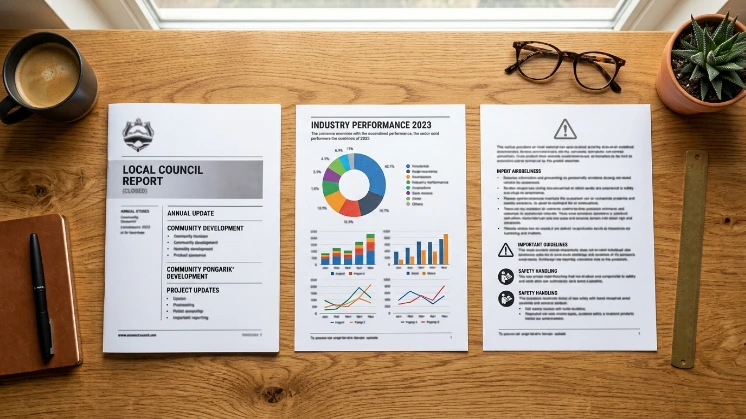
Use cases include local government announcements, sector data releases, product-safety notices, and regulatory decisions where short headlines improved pickup and search performance. Each case shows measurable gains in placement and traffic.
A local council budget release with a short headline including the council name and budget figure won multiple regional placements. A sector employment report with a headline stating the percentage change and sector name secured trade-journal coverage and data-led backlinks. A product-safety notice with a clear event, product name, and recall date achieved regulatory press inclusion and consumer-press visibility. A regulatory decision headline that named the regulator and ruling date appeared in national summaries and generated high referral sessions. These use cases show concise, entity-driven headlines produce better editorial and SEO results.
Explore the Advanced Guide:
The Death of the Generic Press Release: What UK Data Shows in 2026
Write headlines with one primary entity, one clear verb, and one specific detail within 12 words. Use factual verbs, numerals, and UK spellings. Follow a four-step production process and test for duplication and entity clarity. Measure acceptance, open, pickup, and search visibility rates. Concise, entity-focused headlines improve editorial acceptance, mobile visibility, and search authority, helping PR teams present clearer, filter-resistant news.
Check the Complete Explanation:
Client Results: How Managed UK PR Distribution Delivered 47 Placements in 30 Days