
Retail industry analysts and influencers shape buying decisions, investment interest, and public awareness across the United Kingdom. Their recommendations influence retailers, distributors, investors, marketplace operators, and consumers. They rely on structured research, verified business milestones, product performance, and market evidence rather than promotional claims. Understanding how they identify emerging businesses helps founders, marketers, and industry professionals understand the modern retail discovery process.
How do modern retail industry analysts and influencers identify breakthrough startups?
Modern retail industry analysts and influencers identify breakthrough startups through measurable growth signals, verified announcements, market data, product innovation, customer adoption, expert networks, trade events, regulatory information, and consistent public visibility. They compare multiple evidence sources before recognising a business as commercially significant within its retail sector.
Retail discovery has become increasingly data-driven. Analysts evaluate objective information before publishing reports or commentary. Influencers also examine factual evidence because credibility depends on recommending businesses with genuine commercial potential.
Several categories of information receive regular attention:
- Product launches
- Funding announcements
- Marketplace expansion
- Retail partnerships
- Customer growth
- Industry awards
- Intellectual property filings
- Sustainability achievements
For example, a grocery technology startup introducing automated inventory software provides evidence through product demonstrations, retailer adoption, and measurable operational improvements. A sustainable fashion startup gains attention after expanding into several national retailers while publishing verified environmental certifications.
Why is product innovation important when evaluating retail startups?
Product innovation demonstrates that a startup solves identifiable commercial or consumer problems through new technology, improved processes, distinctive design, or measurable performance improvements. Analysts compare innovation against existing market alternatives before recognising competitive differentiation within retail industries and consumer markets.
What qualifies as product innovation?
Product innovation refers to introducing a new or significantly improved product, service, packaging solution, retail technology, or operational process.
Examples include:
- AI-powered inventory forecasting systems
- Refillable household packaging
- Smart checkout technology
- Sustainable textile materials
- Personalised online shopping platforms
Innovation alone does not attract lasting attention. Analysts evaluate whether the innovation addresses a genuine market requirement and delivers measurable commercial value.
How is innovation verified?
Verification includes reviewing:
- Product specifications
- Independent testing
- Customer adoption
- Industry certifications
- Demonstrations
- Retail implementation
These evidence sources establish whether innovation produces measurable business outcomes rather than marketing claims.
What business milestones attract industry attention?
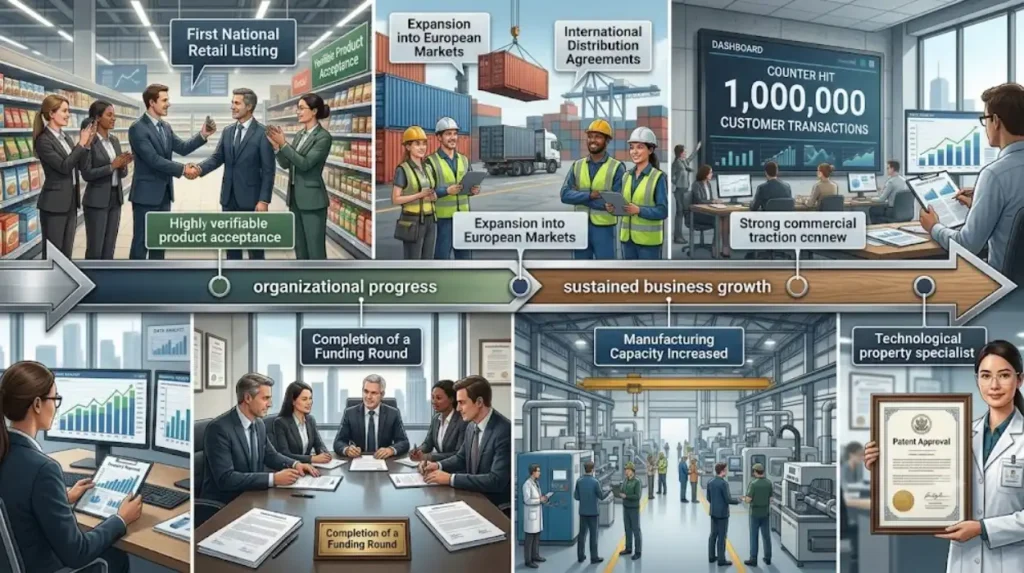
Business milestones provide measurable evidence of organisational progress. Analysts monitor milestones because they indicate operational maturity, commercial traction, investment confidence, product acceptance, and expansion across competitive retail markets through independently verifiable business developments and documented achievements over time.
Milestones create reference points that demonstrate sustained business growth.
Examples include:
- First national retail listing
- Expansion into European markets
- One million customer transactions
- Completion of a funding round
- Manufacturing capacity increases
- Patent approval
- International distribution agreements
Each milestone reflects observable business development rather than future ambition.
Founders often publish these developments through official announcements because structured information improves public visibility. Readers seeking additional information about milestone communications can refer to:
Leveraging Milestone Press Releases.
Why do analysts compare multiple milestones?
Single achievements provide limited context.
Analysts examine:
- Growth consistency
- Timeline progression
- Revenue expansion
- Customer acquisition
- Geographic growth
- Product diversification
This broader evaluation produces a more accurate assessment of commercial development.
How does market data influence startup discovery?
Market data provides objective evidence describing customer demand, industry growth, purchasing behaviour, competitive positioning, and retail performance. Analysts combine market statistics with company information to determine whether business growth reflects broader commercial opportunities or isolated operational success within retail sectors.
Market data comes from multiple sources.
Common datasets include:
- Consumer spending reports
- Retail sales statistics
- E-commerce growth reports
- Category performance studies
- Inflation indicators
- Consumer confidence surveys
For example, analysts examining electric bicycle retailers compare startup performance with national cycling demand, transport policy changes, and urban mobility statistics.
Context matters because startup growth often reflects wider industry trends.
Why does market context matter?
Retail businesses operate within changing commercial environments.
Analysts examine:
- Consumer behaviour
- Pricing trends
- Supply chain developments
- Seasonal demand
- Competitive activity
Context helps distinguish sustainable growth from temporary market fluctuations.
How do industry events help analysts discover emerging businesses?
Industry events introduce analysts and influencers to new products, founders, technologies, investors, retailers, and commercial partnerships. Exhibitions, conferences, trade fairs, and demonstration events provide structured opportunities to evaluate startups through direct observation and professional discussions within retail ecosystems.
Trade events remain an important discovery channel despite digital communication.
Examples include:
- Retail technology exhibitions
- Consumer goods trade shows
- Fashion industry events
- Grocery innovation conferences
- Sustainability exhibitions
These events allow analysts to compare businesses operating within the same market category.
What happens during industry events?
Participants present:
- Product demonstrations
- Business presentations
- Market research
- Customer case studies
- Technology showcases
Analysts gather information directly while comparing multiple companies under similar conditions.
Why do customer adoption and commercial traction matter?
Customer adoption demonstrates that products achieve measurable acceptance in real commercial environments. Analysts monitor customer numbers, repeat purchasing, retailer adoption, subscription growth, and operational performance because these indicators provide objective evidence of sustainable business development within competitive retail markets.
Commercial traction represents measurable business activity.
Important indicators include:
- Customer retention
- Retail listings
- Online reviews
- Repeat purchases
- Geographic expansion
- Subscription growth
For example, a homeware startup expanding from one regional retailer to 250 national retail locations demonstrates measurable commercial progress.
Which customer metrics receive attention?
Analysts frequently examine:
- Active customers
- Purchase frequency
- Average order value
- Product return rates
- Customer satisfaction
- Retail stock availability
These metrics describe actual market performance.
How do digital platforms improve startup visibility?
Digital platforms provide continuous access to company information, industry discussions, product launches, executive interviews, customer feedback, and market activity. Analysts combine publicly available digital information with independent verification before recognising businesses as emerging retail leaders within competitive sectors across the United Kingdom.
Digital visibility extends beyond social media.
Information sources include:
- Company websites
- Government registers
- Product databases
- Retail marketplaces
- Industry publications
- Professional networking platforms
- Research databases
Analysts compare information from several sources before publishing conclusions.
Why is information consistency important?
Consistent information improves credibility.
Analysts compare:
- Business descriptions
- Product specifications
- Executive statements
- Financial milestones
- Public records
Consistency reduces uncertainty during business evaluation.
How do influencers evaluate retail startups differently from analysts?
Influencers evaluate startups using audience relevance, product experience, educational value, transparency, and measurable customer interest alongside commercial evidence. Analysts prioritise structured research, while influencers also examine practical usability and engagement across their established specialist communities and digital audiences.
The two groups share several evaluation methods while serving different purposes.
Analysts primarily produce:
- Industry reports
- Market forecasts
- Research publications
- Competitive analysis
Influencers commonly produce:
- Product reviews
- Educational videos
- Demonstrations
- Industry commentary
Both groups rely on factual information because audience trust depends on accuracy.
Where do their evaluation methods overlap?
Shared assessment areas include:
- Product quality
- Innovation
- Customer demand
- Market relevance
- Business credibility
- Growth evidence
The difference lies mainly in communication style rather than evaluation standards.
Why do verified public announcements support startup discovery?
Verified public announcements create structured, searchable records describing important business developments. Analysts monitor official announcements because they provide consistent factual information, publication dates, executive statements, and documented milestones that support accurate reporting and long-term business tracking across retail industries.
Public announcements establish chronological business histories.
Common announcement topics include:
- Product launches
- Investment rounds
- Retail partnerships
- International expansion
- Executive appointments
- Manufacturing developments
Each announcement becomes part of the company’s documented public record.
As businesses mature, structured distribution strategies become increasingly important. Further educational material appears in:
Why are structured announcements easier to analyse?
Structured announcements include:
- Publication dates
- Business facts
- Named organisations
- Product details
- Executive quotations
- Contact information
This consistency supports reliable comparison between different businesses.
What characteristics define a breakthrough retail startup?
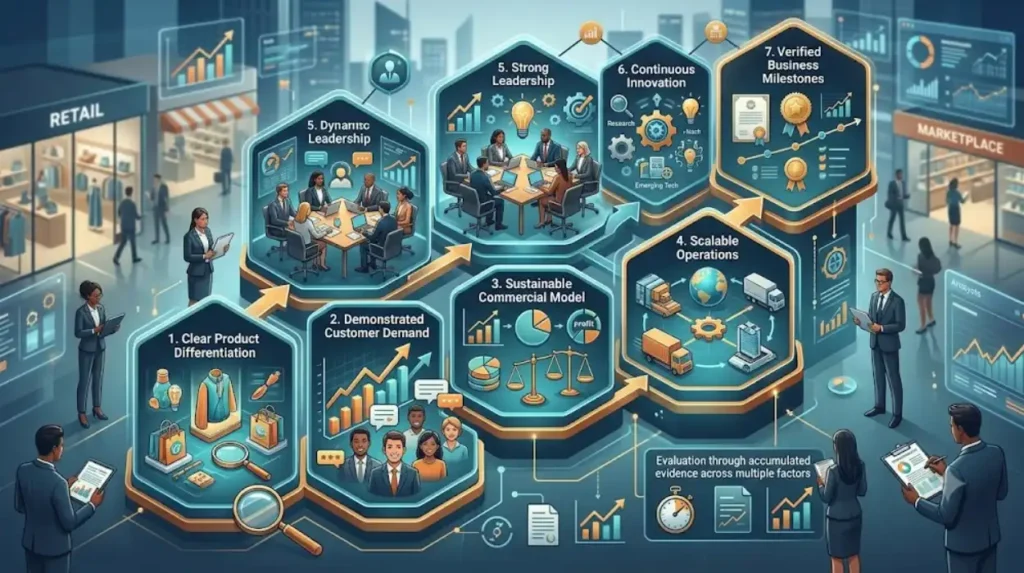
A breakthrough retail startup demonstrates measurable innovation, verified customer demand, commercial scalability, operational consistency, market relevance, and sustained business growth. Analysts recognise breakthrough businesses through accumulated evidence rather than isolated achievements or individual promotional activities across competitive retail markets.
Several characteristics appear consistently across recognised startups.
These include:
- Clear product differentiation
- Demonstrated customer demand
- Sustainable commercial model
- Scalable operations
- Strong leadership
- Continuous innovation
- Verified business milestones
No single factor determines breakthrough status.
Explore More Expert Insights:
What Happens to an Online Store’s Reputation During a Supply Chain or Shipping Crisis?
How Lifestyle and Consumer Journalists Filter Through Hundreds of Product Pitches Daily
Instead, analysts evaluate a combination of evidence collected over time.
Businesses receiving sustained recognition generally demonstrate consistent operational progress, transparent communication, measurable customer adoption, and documented commercial achievements. This evidence-based approach enables analysts and influencers to distinguish emerging retail leaders from businesses experiencing only temporary visibility.