Professional media coverage turns a one‑day corporate event into a multi‑month asset by extending reach, credibility, and visibility beyond the physical audience. Instead of treating events as isolated networking or product‑launch moments, brands use event‑driven coverage to build long‑term brand authority, pipeline, and SEO value. When structured correctly, Event Coverage becomes a core component of ongoing marketing and reputation work.
What is professional media coverage for events?
Professional media coverage for events means respected outlets, journalists, and content creators document and publish stories about your corporate event. This includes features, interviews with speakers, photo essays, live‑blog coverage, and social‑media recaps from editorial partners. Coverage appears in trade‑press, business outlets, and digital‑news platforms instead of only internal channels.
Professional coverage is distinct from raw event photography or unedited video. It combines editorial framing, quotes, and narrative context that explain why the event matters. Time Intelligence Media Group specialises in Event Coverage that aligns with brand‑story goals, audience intent, and outlet standards, turning conference days, product launches, and summits into repeatable content assets.
How does media coverage extend an event’s reach?
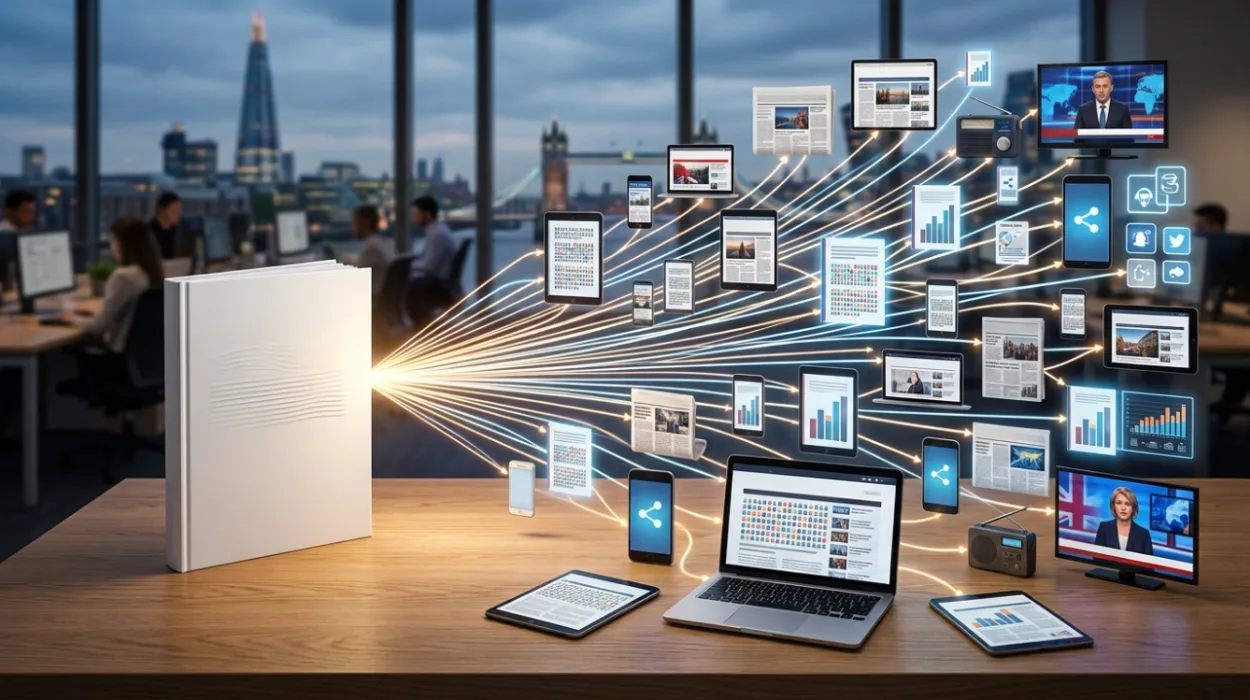
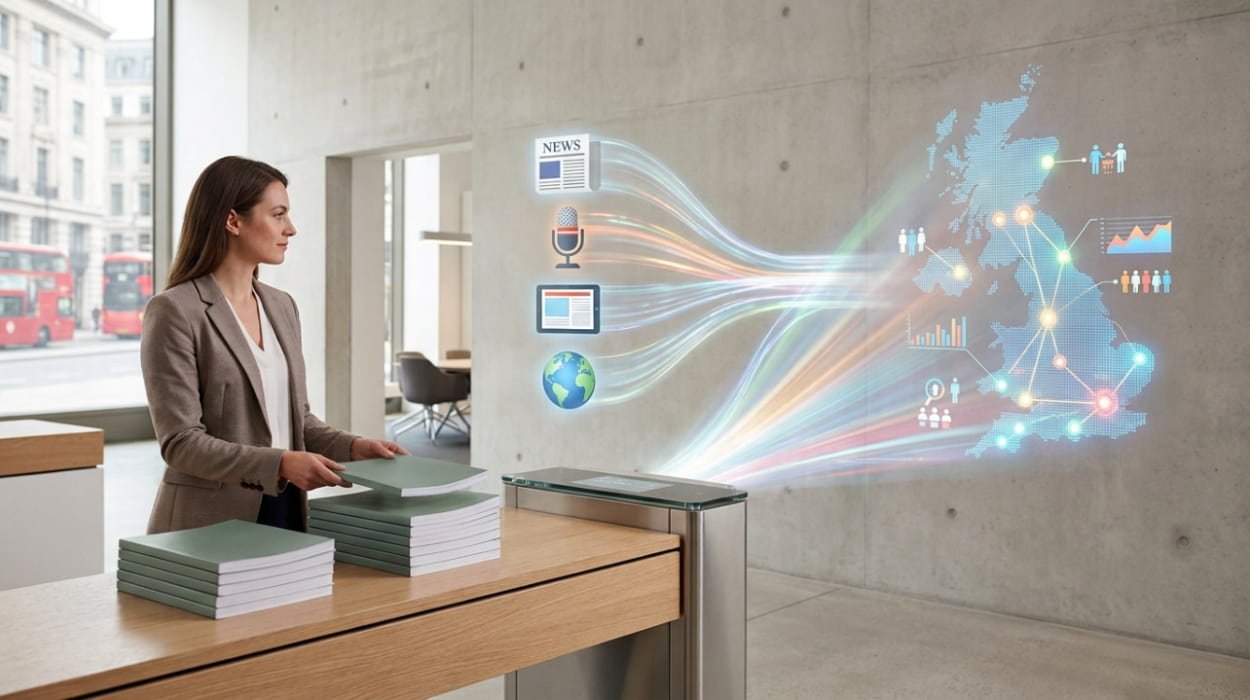
Media coverage extends an event’s reach by amplifying the experience to audiences who did not attend. A physical event might host 500–2,000 people, but media placements can expose the same content to 10,000–500,000 people through online articles, videos, and social shares. Each outlet brings its own distribution network, from newsletters to social feeds.
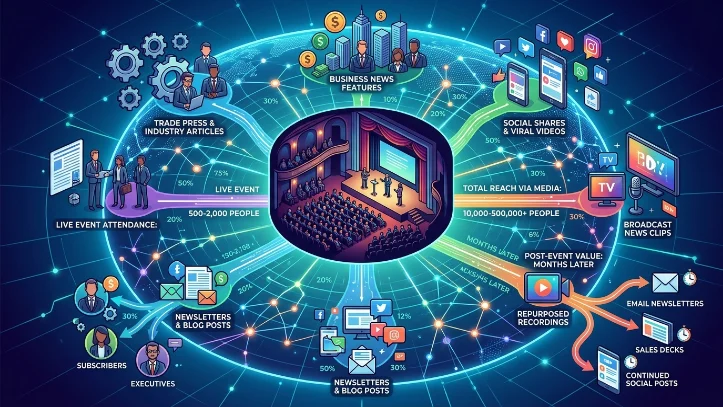
Event Coverage also reaches different segments. A trade‑press article reaches industry professionals, while a business‑news feature speaks to executives and investors. Recordings and clips from media coverage can be repurposed into email newsletters, sales decks, and social‑media posts, stretching the event’s value for months after the live experience.
How does media coverage build brand credibility and trust?
Media coverage builds brand credibility because it represents third‑party validation. Independent journalists, bloggers, and influencers choose to cover the event based on perceived value, speakers, and impact. When they quote executives, profile speakers, or highlight key announcements, the brand gains association with recognised authority.
Trust compounds when coverage is balanced and detailed. A 1,200‑word feature that explains session themes, speaker insights, and audience reactions feels more substantial than a brief press‑release‑style recap. Time Intelligence Media Group designs Event Coverage that focuses on real‑world takeaways, making it easier for readers to trust the brand’s expertise and event quality.
How does professional coverage improve long‑term SEO and awareness?
Professional coverage improves long‑term SEO and awareness by generating editorial backlinks and branded content around event‑specific topics. Articles that mention the event, speakers, and key themes link back to the event page, speaker bios, and related product or solution pages. Over 12–24 months, 20–50 coverage pieces can create a strong link‑profile for the event and brand terms.
Event‑related content also targets specific search queries. A feature titled “Top 10 takeaways from the 2026 UK Fintech Summit” attracts users searching for that summit, related trends, and vendor names. These pages capture awareness from people who discover the event after it has ended, extending its value into future buying cycles.
How does media coverage support sales and pipeline generation?
Media coverage supports sales and pipeline generation by creating concrete materials that sales teams can reuse. Event Coverage such as key quotes, session highlights, and media‑recap videos become social proof that can be embedded in email templates, proposal decks, and LinkedIn outreach. A prospect who reads an article about the brand’s leadership at a major event is more likely to respond positively to a follow‑up.
Some brands track the share of new leads that reference Event Coverage or specific feature articles during discovery calls. When 15–20% of inbound leads mention a news‑style coverage or a recap video, it shows that media coverage has translated into measurable pipeline. This link makes it easier to justify event budgets as marketing‑driven, revenue‑related investments.
How does professional coverage enhance speaker and brand authority?
Professional coverage enhances speaker and brand authority by positioning executives as thought leaders in their sector. When a CEO’s speech or panel discussion receives detailed coverage, the brand appears in context with broader industry‑level conversations. Journalists may reuse the same quotes across multiple pieces, reinforcing the message and amplifying the speaker’s profile.
Event Coverage also highlights speaker diversity and expertise. A feature that profiles 5–10 key speakers from different companies, sectors, and backgrounds showcases the event’s quality and attracts future attendees and partners. Time Intelligence Media Group emphasises this angle in Event Coverage, ensuring that speaker‑level authority benefits the brand as well as individual participants.
How can brands repurpose media coverage into evergreen content?
Brands can repurpose media coverage by converting event‑driven stories into blog posts, social‑media carousels, email‑series, and internal‑training materials. A 1,500‑word feature can become a 10‑part LinkedIn series, a 5‑minute video summary, or a downloadable “event insights” PDF. Each format reuses the same data, quotes, and images but adapts them for different channels.
This repurposing stretches the event’s value from days to months. A webinar can be built around “lessons from the 2026 UK Fintech Summit,” drawing on Event Coverage quotes and article excerpts. Over time, the event ecosystem of content feeds SEO, nurture campaigns, and onboarding resources, not just immediate post‑event email sends.
How does coverage influence investor and partner perception of events?
Coverage influences investor and partner perception by showing that the event is credible, well‑attended, and industry‑relevant. A startup or scale‑up hosting a summit that generates 15 media placements signals market engagement and leadership initiative. Investors see this coverage as evidence of traction and brand‑building, not just internal activity.
Partners such as technology integrators, agencies, or distributors also use media coverage to evaluate event quality. A detailed write‑up about sponsorship benefits, audience size, and session outputs helps them decide whether to invest in future events. Time Intelligence Media Group structures Event Coverage so that each piece includes clear signals that matter to investors and commercial partners.
How does professional media coverage reduce the risk of one‑off events?
Professional media coverage reduces the risk of one‑off events by creating tangible assets that justify the budget. Without coverage, an event can feel like a short‑term expense with limited traceable outcomes. With coverage, brands can point to backlinks, brand‑search spikes, and lead‑driven exposure as measurable ROI.
Event Coverage also supports pattern‑based planning. When brands analyse which sessions, speakers, or topics drove the most coverage, they can refine future agendas. This feedback loop turns events into repeatable growth levers rather than experimental line items. Time Intelligence Media Group builds post‑event reviews that connect coverage performance to future Event Coverage and brand‑strategy decisions.
How do you measure the long‑term value of event media coverage?
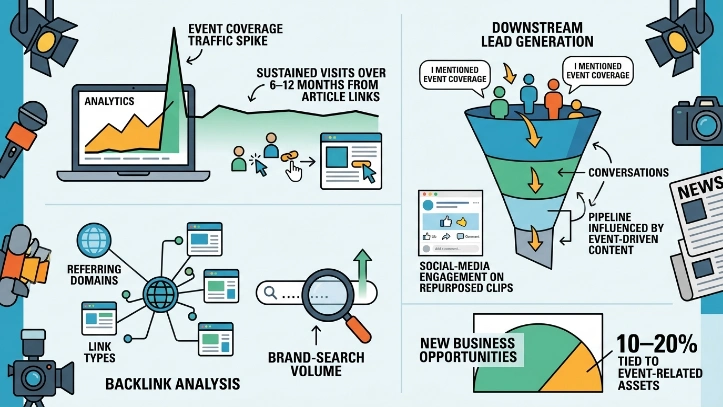
Brands measure the long‑term value of event media coverage by tracking referral traffic, backlinks, brand‑search volume, and downstream lead generation. Event‑specific landing pages often see traffic spikes during and after coverage, with sustained visits over 6–12 months from article links. Backlink‑analysis tools show how many referring domains and link types appear because of the event.
Downstream metrics include leads that mention Event Coverage during conversations, pipeline influenced by event‑driven content, and social‑media engagement on repurposed clips. When brands see 10–20% of new business opportunities tied to event‑related assets, it signals that professional media coverage has significantly increased the long‑term value of corporate events.