Events that generate strong news coverage usually contain a clear public interest angle, recognisable participants, timely developments, visual material, or measurable impact. Conferences, corporate launches, awards, charity events, and major public events frequently provide these editorial elements.
News coverage refers to editorial reporting published by newspapers, magazines, broadcasters, specialist publications, and digital news websites. Event coverage describes reporting that documents an event, its announcements, participants, outcomes, or wider relevance.
News organisations assess events through editorial criteria. These criteria include newsworthiness, relevance, timing, audience interest, access to information, and available evidence.
The event itself is only one part of the coverage opportunity. The subject, participants, announcement, location, timing, and supporting material influence whether journalists have a reason to report.
Five event categories consistently contain strong news-making components:
- Industry conferences and business summits
- Product and company launches
- Awards and recognition events
- Charity and fundraising events
- Major public, cultural, and sporting events
Each category creates different editorial opportunities.
Why do some events receive more news coverage than others?
News coverage increases when an event contains a specific story rather than simply an occasion. Announcements, achievements, notable participants, public impact, exclusive information, strong visuals, and timely developments give journalists identifiable reasons to publish event-related coverage.
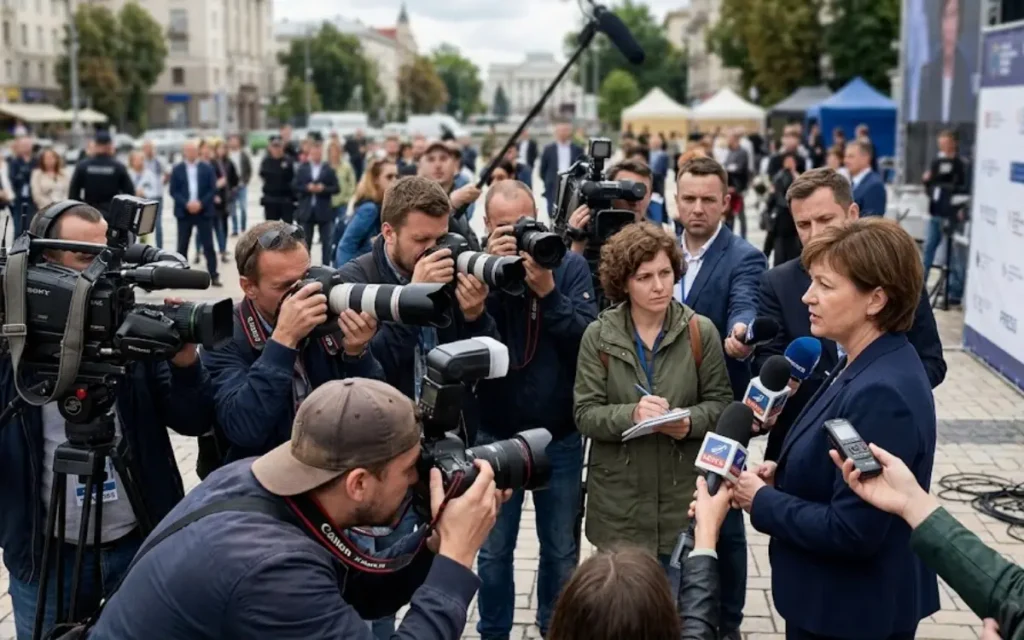
Journalists work with limited editorial space. An event needs a clear angle that fits the publication’s audience and reporting priorities.
A business newspaper focuses on commercial developments. A technology publication focuses on innovation and product announcements. A regional newspaper focuses on local people, organisations, economic activity, and community relevance.
What makes an event newsworthy?
Common newsworthiness factors include:
- Timeliness: The event relates to a current development.
- Impact: The event affects a defined audience or community.
- Prominence: Recognised organisations, executives, athletes, academics, or public figures participate.
- Novelty: The event introduces something new or unusual.
- Conflict or change: The event addresses an important shift or competitive development.
- Human interest: Individuals or communities have a clear connection to the story.
- Visual value: Photographs and video provide usable editorial material.
An event combining several factors creates multiple potential story angles.
Which five event types generate the strongest news opportunities?
The five strongest event categories are industry conferences, product and company launches, awards ceremonies, charity and fundraising events, and major public or cultural events because each produces defined participants, activities, announcements, images, and outcomes for editorial reporting.
These categories do not receive coverage simply because they are events. Their editorial value comes from the information and developments connected to them.
1. Industry conferences and business summits
Industry conferences bring together professionals around a defined sector, topic, or business issue. Examples include fintech conferences, healthcare summits, energy forums, and technology conferences.
These events produce several news angles. Speakers introduce industry developments. Companies announce partnerships. Researchers present findings. Executives discuss market changes. Organisations release reports.
A conference also creates multiple sources. Journalists can interview speakers, exhibitors, organisers, and attendees.
For example, a UK fintech conference announcing a new payment technology creates a stronger news angle than a conference programme containing only routine presentations.
Conference coverage therefore often connects the event to a wider industry development.
2. Product and company launches
Product launches introduce a new product, service, platform, facility, or corporate initiative. Company launches also include new businesses, major expansions, rebrands, and market entries.
Launch events contain a direct announcement. This provides a clear editorial starting point.
Technology launches provide product specifications and demonstrations. Property launches provide development details. Corporate launches provide information about investment, employment, locations, or market expansion.
A product launch becomes more newsworthy when it answers specific questions about what changed, who benefits, where the development applies, and why it matters.
For example, a UK technology company launching an AI platform for financial compliance provides a defined subject for business and technology reporting.
3. Awards and recognition events
Awards events recognise achievements within a sector, organisation, community, or profession. Examples include business awards, technology awards, healthcare awards, sustainability awards, and creative industry awards.
The strongest editorial element is the achievement itself.
Award coverage can include winners, categories, judges, organisational performance, individual achievements, and sector trends. Local publications also gain regional stories when winners come from specific cities or communities.
An awards ceremony involving recognised professionals creates several identifiable people and organisations for journalists to cover.
The event also produces strong visual material. Winners receiving awards, group photographs, stage presentations, and interviews provide usable images for digital publications.
4. Charity and fundraising events
Charity events connect organised activities with a defined social purpose. Examples include fundraising dinners, sponsored runs, community campaigns, benefit concerts, and donation drives.
These events generate coverage through community relevance, human interest, fundraising results, and participation.
A charity event reporting that £100,000 was raised for a defined healthcare project contains a measurable outcome. A fundraising campaign involving local businesses creates a regional business angle. A large community event creates photographs, participant stories, and local-interest material.
The strongest coverage focuses on the cause, people affected, fundraising achievement, or measurable community result rather than the event schedule alone.
5. Major public, cultural, and sporting events
Major public events attract attention because they involve large audiences, recognised participants, cultural relevance, or significant local activity.
Examples include UK festivals, sporting competitions, exhibitions, cultural celebrations, public ceremonies, and large-scale community events.
Sporting events create results, performances, records, rankings, and participant stories. Cultural events create coverage around performances, exhibitions, artists, heritage, and community participation.
Large public events also generate extensive visual content. Photographs capture attendance, performances, venues, participants, and significant moments.
Location creates another editorial dimension. A major event in Manchester, Birmingham, Edinburgh, or London can support regional reporting alongside national or specialist coverage.
How does the news coverage process work for an event?
Event news coverage begins with identifying a news angle, continues through preparation of factual information and media assets, and develops through journalist research, event attendance, interviews, reporting, publication, and post-event coverage of measurable developments or outcomes.
The process starts before the event takes place.
What happens before the event?
Organisers identify the central news story. They prepare factual information about the event, participants, announcements, venue, date, and relevance.
Media materials typically include:
- Event background
- Speaker information
- Participant details
- Key announcements
- Statistics
- Quotations
- High-resolution photographs
- Contact information
- Relevant reports or supporting documents
The information needs to remain accurate and specific.
What happens during the event?
Journalists gather information directly from the event. They observe presentations, interview participants, record announcements, and collect photographs.
The event creates primary-source material. Speakers provide direct statements. Organisers provide event facts. Participants provide experiences and reactions.
This information supports factual reporting.
What happens after the event?
Post-event coverage focuses on outcomes. These include award winners, attendance figures, investment announcements, partnerships, fundraising totals, product developments, competition results, and published findings.
This stage often produces a second news angle because the completed event provides measurable results.
What components help an event attract wider media attention?
Events with defined news angles, credible participants, measurable outcomes, strong visual assets, timely announcements, relevant statistics, accessible information, and clear geographic or industry connections provide more usable material for journalists across different publication categories.
Which event components matter most?
The strongest components include:
- A defined announcement: A specific development gives journalists a clear headline subject.
- Recognisable participants: Speakers, executives, experts, athletes, and winners provide identifiable sources.
- Original information: Research, statistics, rankings, results, and announcements create reportable material.
- Visual assets: High-quality event photography supports digital and print coverage.
- Local relevance: A connection to a city, region, or community supports regional publications.
- Industry relevance: Specialist developments support trade and professional media.
- Measurable outcomes: Results provide concrete post-event reporting material.
An event containing several of these components has more editorial entry points.
How does event type affect the audience reached through news coverage?
Event type influences media reach because different events match different publication audiences. Business conferences attract trade and business media, while sporting, cultural, charity, and public events create stronger opportunities across regional, specialist, lifestyle, and mainstream news categories.
A single event can therefore have multiple editorial audiences.
A technology conference can interest technology publications, business newspapers, regional outlets, and professional media. A charity event can interest local newspapers, community publications, specialist organisations, and national outlets when the cause has wider significance.
The distribution of potential coverage depends on the event’s subject and audience.
Professionals comparing event coverage reach can examine news coverage reach to understand how different event categories perform across media audiences.
What benefits does news coverage provide for event organisers?
News coverage documents an event through independent editorial reporting while extending awareness beyond physical attendees. It creates publicly accessible records of announcements, achievements, participants, outcomes, and organisational developments relevant to specific audiences.
Editorial coverage provides several informational functions.
How does coverage extend an event’s visibility?
An event reaches people who do not attend physically. Published articles provide access to event developments through news websites and digital publications.
Coverage also creates a record of specific announcements. Readers can find information about winners, speakers, products, partnerships, results, and outcomes after the event ends.
How does coverage support credibility?
Editorial reporting places event information within a journalistic context. The publication evaluates the story according to its own editorial standards.
This differs from owned content published directly by an organiser. A company website describes the organisation’s own event. A news article reports the event as an editorial subject.
The distinction is important when evaluating event communication.
Which events are best suited to different news audiences?
Different event categories suit different media audiences because their subjects align with specific editorial interests. Conferences suit business and trade media, launches suit industry publications, awards suit regional and professional media, while charity, cultural, and sporting events support broader public-interest coverage.
Which events suit business and trade media?
Industry conferences, corporate launches, investment announcements, and professional awards contain strong business or specialist angles.
Which events suit regional media?
Charity events, community events, local awards, sporting competitions, and business openings contain clear geographic relevance.
Which events suit specialist publications?
Technology launches, healthcare conferences, energy forums, financial events, and professional awards provide sector-specific material.
Which events suit broader public-interest media?
Large sporting events, major cultural festivals, significant charity campaigns, and nationally relevant public events provide wider audience relevance.
The strongest event coverage strategy begins with matching the event’s subject to the publication’s editorial audience.
What should organisers understand before seeking news coverage?

Organisers need to distinguish an event from the news story surrounding it. The strongest coverage focuses on a specific announcement, achievement, result, participant, community impact, or development that gives journalists factual material for publication.
News coverage is not determined by event size alone. A small local charity event with a significant fundraising result has a defined news angle. A large conference without a new development has fewer distinct editorial angles.
The five event types identified here share one characteristic: they naturally generate reportable information.
Conferences create industry discussions and announcements. Launches introduce developments. Awards identify achievements. Charity events demonstrate social impact. Major public events create participation, results, and cultural relevance.
Explore More Expert Insights:
What Event Photography Adds to UK News Coverage
How Nonprofit Events Earn News Coverage on Small Budgets
Understanding these distinctions helps organisers evaluate the editorial potential of an event before publication activity begins.
For readers assessing how coverage reach differs between event categories, event coverage reach provides the next stage of comparison. Those evaluating structured coverage options can then review event coverage pricing as a separate decision-stage topic.