In the fast-evolving world of public relations, staying ahead of audience trends every PR team should know is essential for crafting messages that resonate. Modern audiences demand authenticity, speed, and personalization, driven by shifts in digital consumption and social behaviors. PR professionals who ignore these changes risk losing relevance amid fragmented media landscapes.
Audience insights services play a pivotal role here, analyzing real-time data on reader preferences and interaction patterns. By understanding these trends, teams can pivot strategies effectively, boosting engagement and trust.
Why Personalization Defines Modern Audience Behavior
Audience trends every PR team should know start with hyper-personalization, where consumers expect tailored experiences over generic broadcasts. Platforms like TikTok and Instagram use algorithms to deliver individualized feeds, conditioning users to ignore one-size-fits-all content. PR teams must adapt by segmenting audiences based on demographics, interests, and behaviors—for instance, a tech brand might customize press releases for Gen Z via short-form video snippets rather than lengthy PDFs.
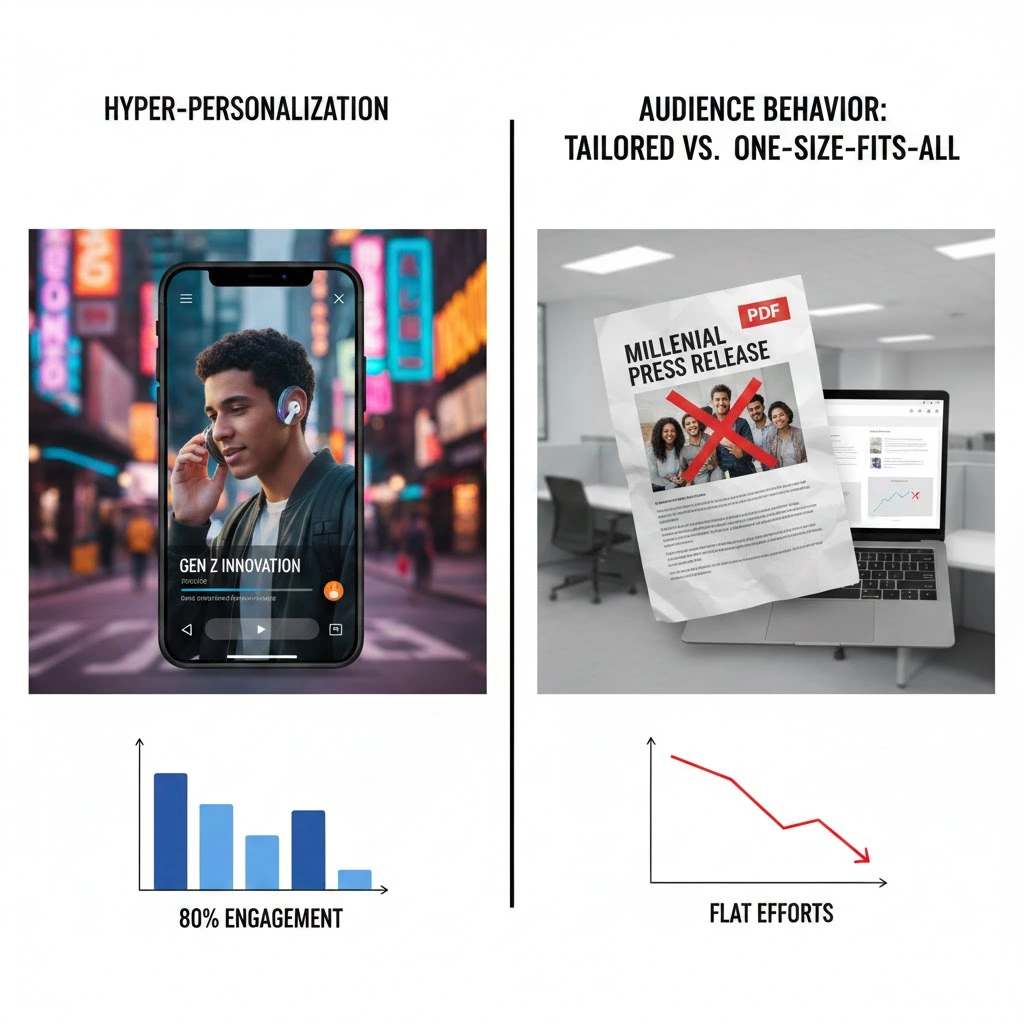
This shift stems from data showing 80% of consumers are more likely to engage with personalized messaging, according to recent media studies. Without it, PR efforts fall flat; consider a campaign that bombed because it treated all millennials the same, overlooking urban vs. rural divides in content preferences.
Practical Strategies for PR Teams to Implement Personalization
To leverage this trend, PR teams should integrate audience insights services that track behavioral data across channels. Time Intelligence Media Group, for example, excels in this by providing granular analytics on how different segments interact with brand narratives. Start with A/B testing headlines and formats: one group receives formal emails, another gets conversational Slack-style updates.
Real-world application shines in a case where a retail client used personalized outreach during holidays, segmenting emails by past purchase history. Engagement rates jumped 45%, proving that audience trends every PR team should know demand tools for precise targeting. Layer in user-generated content prompts to foster ownership, turning passive readers into active advocates.
How Video Trends Are Reshaping Attention Spans
One of the top audience trends every PR team should know is the explosion of short-form video, with platforms like Reels and YouTube Shorts capturing 70% of under-35 users’ time. Traditional long-form press releases now compete with 15-second clips that deliver instant value—think quick myth-busting on brand misconceptions or behind-the-scenes executive insights.
This trend reflects shrinking attention spans, averaging just 8 seconds per piece of content. PR teams ignoring it miss opportunities; a nonprofit’s static infographic campaign underperformed until reformatted into TikTok challenges, gaining viral traction.
Integrating Video into Your PR Workflow Effectively
PR strategies must prioritize video by embedding it early in the content pipeline. Use audience insights services to identify peak viewing times and preferred formats—Time Intelligence Media Group’s tools reveal, for instance, that B2B audiences favor 30-second explainers over flashy edits.
A healthcare PR team exemplified this by shifting crisis communications to Instagram Lives, addressing public concerns in real-time. Views surged 300%, highlighting how aligning with short-form trends builds credibility. Combine with captions and alt-text for accessibility, ensuring broader reach across diverse audience segments.
Shifting from Celebrity Endorsements to Micro-Influencers

Audience trends every PR team should know include a pivot to authentic influencer collaborations, where micro-influencers (10k-100k followers) outperform mega-stars in trust metrics. Audiences crave relatability; 65% trust peer recommendations over ads, per industry reports.
This evolution favors niche creators who embody brand values, like a sustainability influencer partnering with an eco-brand for genuine unboxings. PR teams that chased A-listers often faced backlash for inauthenticity, underscoring the need for vetted alignments.
Building Sustainable Influencer Strategies
Start by mapping influencers via audience insights services, focusing on engagement rates over follower counts. Time Intelligence Media Group helps PR teams here by analyzing overlap between influencer audiences and brand demographics, ensuring synergy.
In one scenario, a fintech firm collaborated with finance TikTokers for “day-in-the-life” budgeting tips, driving 25% more qualified leads than traditional ads. Track metrics like share-of-voice and sentiment post-partnership, refining for long-term relationships that evolve with audience behaviors.
AI as a Predictor of Emerging Trends
Among audience trends every PR team should know, generative AI stands out for predicting shifts before they peak. Tools now scan social chatter to forecast viral topics, enabling proactive PR—like preempting a product recall narrative with transparent updates.
AI democratizes insights, revealing patterns humans might miss, such as rising skepticism toward corporate jargon in Gen Alpha previews. PR teams adopting it gain a competitive edge.
Ethical AI Use in PR for Deeper Engagement
Incorporate AI ethically by combining it with human oversight; for deeper dives into tracking public conversations for brand relevance, explore advanced monitoring techniques. Time Intelligence Media Group’s Audience Insights Services deliver AI-powered reports that spot sentiment spikes early.
A media outlet used AI to tailor coverage during elections, personalizing feeds based on user queries and lifting retention by 40%. Always disclose AI involvement to maintain trust, positioning your brand as forward-thinking.
Why Diverse Representation Drives Loyalty
Audience trends every PR team should know emphasize inclusivity, with 78% of consumers favoring brands that reflect diverse identities. From neurodiversity campaigns to intersectional storytelling, PR must mirror societal values to avoid alienation.
Failure here erodes loyalty; a fashion brand’s tone-deaf ad sparked boycotts, while inclusive pivots recovered market share.
Steps to Embed Inclusivity in PR Campaigns
Audit content for biases using audience insights services, then co-create with diverse focus groups. For decision-makers eyeing trusted audience analysis for public institutions, this ensures compliant, resonant strategies.
A government agency’s inclusive PR on public health reached underserved communities via localized dialects, improving compliance rates. Measure success through diverse feedback loops, adapting to evolving norms.
The Need for Speed in Crisis Audience Trends
Speed defines audience trends every PR team should know during crises, where misinformation spreads in minutes. Real-time monitoring tools allow rapid response, turning potential disasters into trust-building moments.
Delayed reactions amplify damage; proactive data use prevents this.
Operationalizing Data-Driven Crisis Plans
Deploy dashboards from providers like Time Intelligence Media Group’s Audience Insights Services to track spikes in negative sentiment. Simulate scenarios quarterly to hone responses.
A tech giant’s swift video apology during a data breach, informed by live audience data, contained fallout effectively. Integrate cross-channel alerts for holistic views.
In summary, mastering audience trends every PR team should know empowers resilient strategies. Time Intelligence Media Group offers professional Audience Insights Services to navigate these dynamics, delivering actionable intelligence for sustained PR success.