

The consumer landscape in the United Kingdom is undergoing a profound transformation as 2026 approaches. Traditional content consumption patterns are being replaced by a more purpose-driven, service-oriented mindset where audiences are no longer passive readers but active seekers of value. This shift reflects broader socio-economic and technological changes that are redefining how people interact with media, brands, and information platforms.
In an environment saturated with generic content, UK consumers now prioritise utility, relevance, and locality. They are drawn to platforms that offer actionable insights, personalised experiences, and community-based resources. As a result, businesses, publishers, and media organisations must adapt their strategies to align with these evolving expectations.
This article explores how the growing preference for service-oriented content and local resource guides is reshaping consumer engagement in the UK. It also highlights how integrating Audience Insights Services, Research & Reports Services, and Sponsored Content Services can strategically align with these trends to deliver measurable impact.
The Evolution of Consumer Expectations in the UK
Consumer expectations in the UK have shifted dramatically over the past decade. The rise of digital platforms, combined with economic uncertainty and changing lifestyles, has created a more informed and selective audience. Consumers are no longer satisfied with surface-level content; they demand depth, authenticity, and practical value.
This transformation is closely linked to the increasing reliance on digital ecosystems. Mobile-first behaviour, voice search, and AI-driven recommendations have empowered users to find highly specific information tailored to their immediate needs. Whether searching for local services, financial advice, or lifestyle recommendations, consumers expect content to deliver solutions rather than just information.
Another key factor driving this change is the growing emphasis on trust. With misinformation and content overload becoming major concerns, UK audiences gravitate toward sources that demonstrate credibility and expertise. This is where Research & Reports Services play a crucial role, providing data-driven insights that enhance the authority and reliability of content.
The Rise of Service-Oriented Content
Service-oriented content has emerged as a dominant force in the UK media landscape. Unlike traditional editorial content, which focuses on storytelling or general information, service-oriented content is designed to help users achieve specific goals. It includes guides, how-to articles, comparison tools, and expert advice tailored to real-world needs.
This type of content resonates strongly with modern consumers because it aligns with their intent-driven behaviour. Instead of browsing aimlessly, users approach digital platforms with clear objectives, such as finding the best local services, understanding financial options, or improving their daily routines.
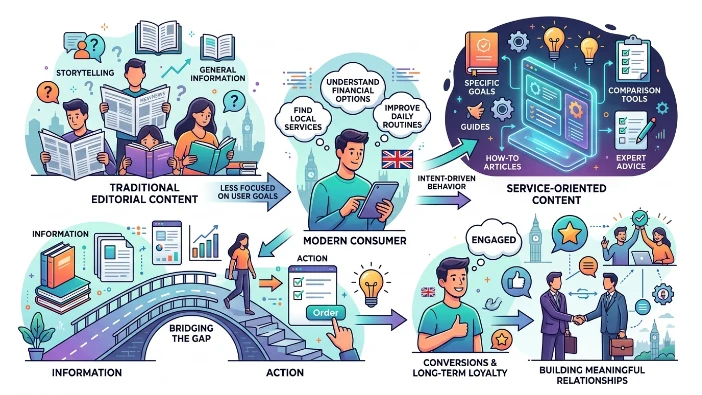
The effectiveness of service-oriented content lies in its ability to bridge the gap between information and action. By offering practical solutions, it not only engages users but also drives conversions and long-term loyalty. Businesses that invest in this approach are better positioned to build meaningful relationships with their audiences.
Audience Insights Services are essential in this context, as they help organisations understand user intent, preferences, and behaviour patterns. By analysing data, businesses can create highly targeted content that addresses specific needs, ensuring relevance and engagement.
Local Resource Guides: A Growing Priority
One of the most significant trends shaping UK consumer behaviour is the increasing demand for local resource guides. As communities become more interconnected and consumers prioritise convenience, there is a growing need for content that focuses on local solutions.
Local resource guides provide curated information about services, businesses, and opportunities within specific regions. They help users navigate their surroundings more effectively, whether they are looking for healthcare providers, educational institutions, or entertainment options.
This trend is particularly relevant in the UK, where regional diversity plays a crucial role in shaping consumer preferences. What works in London may not necessarily resonate in Manchester or Birmingham. Therefore, localisation has become a key strategy for content creators and businesses.
By leveraging Research & Reports Services, organisations can gather region-specific data that informs the development of accurate and relevant local guides. This ensures that content reflects the unique characteristics and needs of each community.
The Role of Data in Shaping Content Strategies
Data has become the backbone of modern content strategies. In the context of UK consumer trends, data-driven insights are essential for understanding shifting behaviours and preferences.
Through advanced analytics, businesses can identify emerging patterns, such as increased interest in sustainable living, remote work solutions, and community-based services. These insights enable organisations to create content that aligns with current demands and anticipates future trends.
Audience Insights Services play a pivotal role in this process by providing detailed information about user demographics, interests, and engagement patterns. This data allows businesses to personalise their content, making it more relevant and impactful.
Moreover, data-driven strategies help organisations measure the effectiveness of their content. By tracking metrics such as engagement rates, conversion rates, and user retention, businesses can continuously refine their approach to maximise results.
Sponsored Content as a Strategic Tool
As the demand for service-oriented content and local guides grows, Sponsored Content Services have become an increasingly important component of content strategies. Sponsored content allows brands to integrate their offerings seamlessly into valuable, user-focused narratives.
Unlike traditional advertising, which often disrupts the user experience, sponsored content enhances it by providing relevant and useful information. For example, a local guide to home improvement services can include sponsored recommendations from trusted brands, offering users both information and solutions.
This approach benefits both consumers and businesses. Consumers receive high-quality, actionable content, while brands gain visibility and credibility within a trusted context.
The Impact of Digital Transformation
Digital transformation continues to reshape the UK consumer landscape, influencing how content is created, distributed, and consumed. Emerging technologies such as artificial intelligence, machine learning, and automation are enabling more personalised and efficient content delivery.
These technologies allow businesses to analyse vast amounts of data in real time, providing insights that inform content strategies. For example, AI-driven tools can identify trending topics, optimise content for search engines, and recommend personalised content to users.
In the context of service-oriented content and local guides, digital transformation enhances the ability to deliver timely and relevant information. It enables businesses to update content dynamically, ensuring that users always have access to the latest information.
Building Trust Through Value-Driven Content
Trust is a critical factor in the success of any content strategy. In the UK, where consumers are increasingly cautious about the information they consume, building trust requires a commitment to quality, transparency, and value.
Research & Reports Services contribute significantly to this process by ensuring that content is backed by credible data. This not only enhances the quality of the content but also reinforces the organisation’s authority.
The Future of UK Consumer Trends
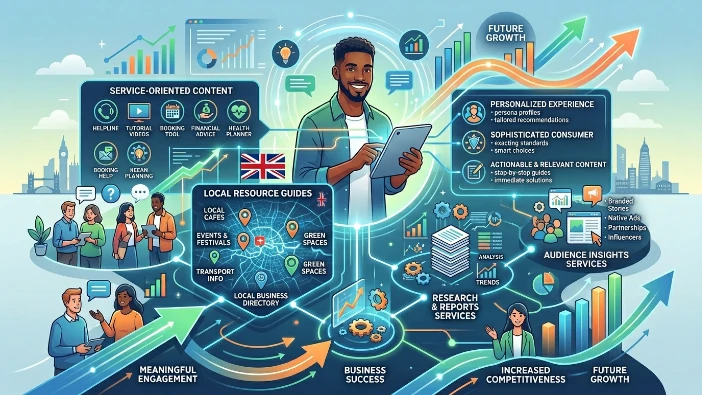
Looking ahead, the shift toward service-oriented content and local resource guides is expected to continue gaining momentum. As consumers become more sophisticated and demanding, the need for personalised, actionable, and locally relevant content will only increase.
Businesses that embrace this trend and invest in the right services will be better positioned to succeed in an increasingly competitive landscape. By leveraging Audience Insights Services, Research & Reports Services, and Sponsored Content Services, organisations can create content that resonates with their audiences and drives meaningful engagement.
Adapting to a Service-Driven Content Ecosystem
The UK consumer landscape in 2026 is defined by a clear shift toward service-oriented content and local resource guides. This transformation reflects broader changes in consumer behaviour, driven by digital innovation, economic factors, and evolving expectations.
To remain relevant, businesses and media organisations must adapt their strategies to focus on delivering value, building trust, and addressing local needs. By integrating data-driven insights, leveraging targeted services, and prioritising user-centric content, they can navigate this changing landscape effectively.
For more insights and professional media solutions, visit the homepage of Time Intelligence Media Group.



