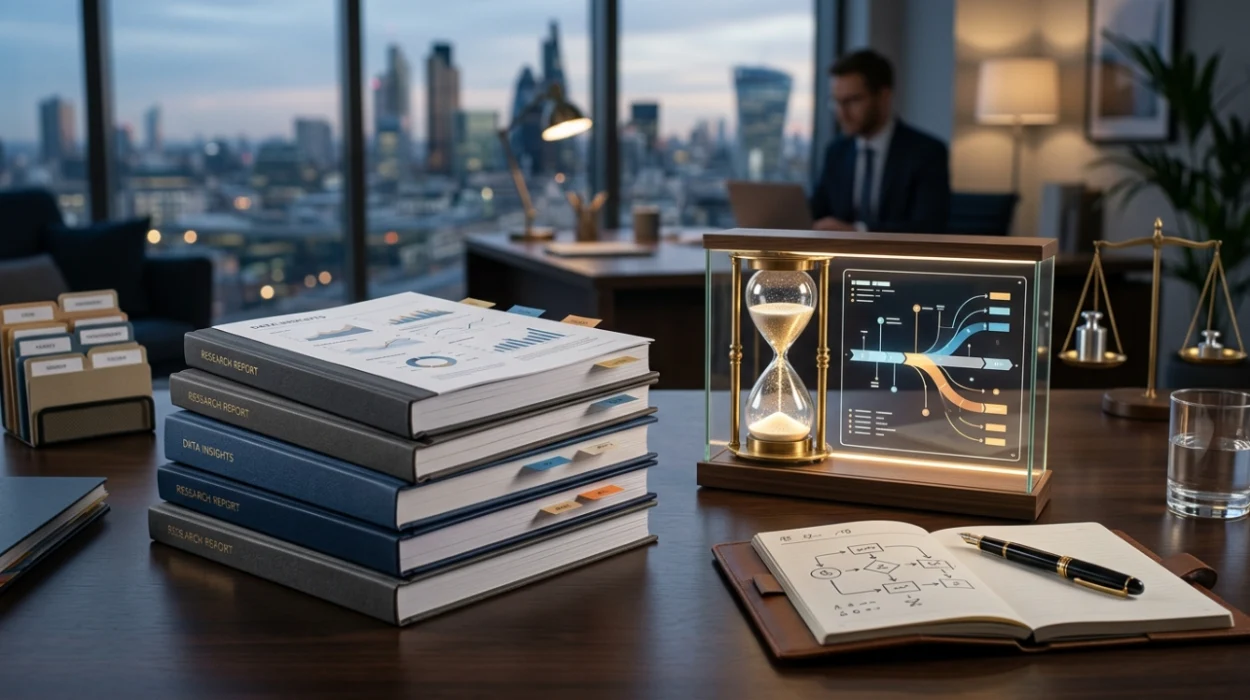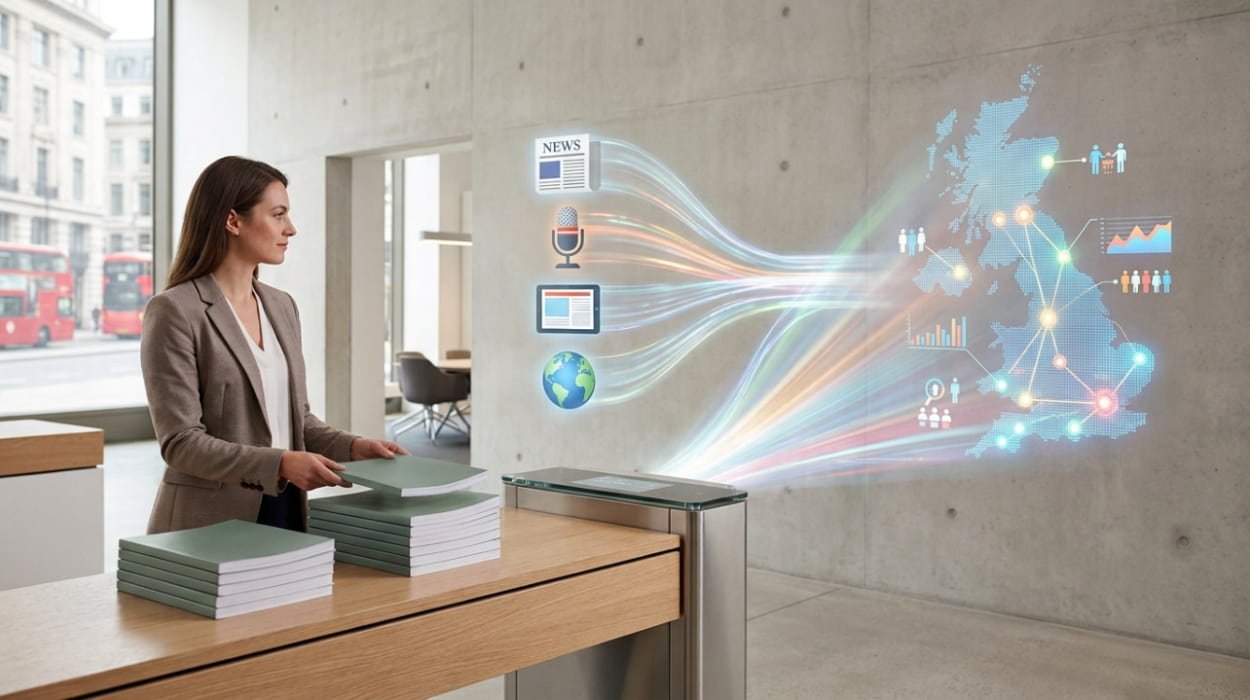
Homepage takeover advertising occupies the entire homepage of a website for a set period, typically 24 to 48 hours, dominating all visible space with a brand’s creative assets to capture maximum user attention on high-traffic sites.
Homepage takeover advertising delivers full control over a publisher’s homepage. Publishers reserve this format for premium advertisers. The takeover integrates multiple ad units into one cohesive experience. Users encounter the brand message immediately upon landing on the site. This format appears on news websites, portals, and content hubs with millions of daily visitors.
The structure includes static banners, animated elements, and interactive features across the page. Advertisers customize the layout to fit the site’s design. Takeovers run during peak traffic times to maximize exposure. Data from industry reports shows takeovers generate 5 to 10 times more impressions than standard banners. Publishers limit takeovers to one per day to preserve user experience.
Key elements of a homepage takeover
Takeovers feature a hero banner at the top, covering 100% of the viewport width. Side rails display complementary creatives. Footer sections reinforce the message. All elements link to a dedicated landing page. Creative production involves HTML5 for responsiveness across devices.
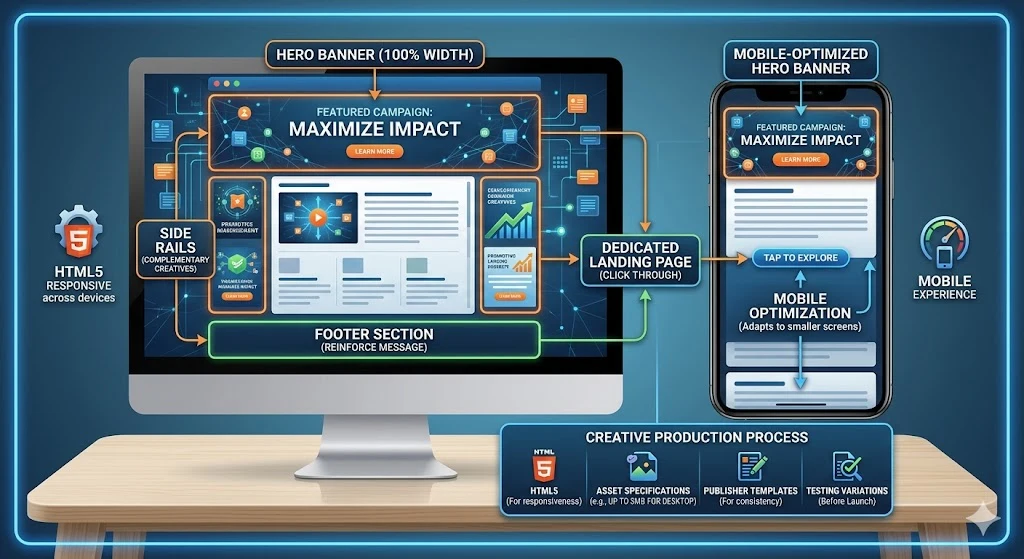
Mobile optimization ensures takeovers adapt to smaller screens. Desktop versions use larger assets up to 3MB in size. Publishers provide templates for consistency. Advertisers test variations before launch.
How does homepage takeover advertising work for brands?
Brands purchase exclusive homepage access from publishers, upload custom creatives, schedule the run, and track performance through impressions, clicks, and engagement metrics during the takeover period.
Brands initiate the process by contacting publishers with high domain authority. Negotiations cover duration, cost, and specifications. Costs range from £50,000 to £200,000 per day based on traffic volume. Publishers confirm inventory availability months in advance due to high demand.
Once approved, brands submit assets via secure portals. Publishers integrate the creatives into the live site. The takeover activates at the scheduled time, replacing standard content. Real-time monitoring ensures smooth delivery. Post-takeover, publishers provide detailed reports within 48 hours.
Steps in the execution process
Brands define campaign goals first, such as awareness or traffic generation. They select publishers with aligned audiences, like UK news sites reaching 10 million unique users monthly. Creative teams design assets in formats specified by the publisher.
Technical integration follows. Publishers use ad servers like Google Ad Manager to deploy the takeover. Brands access dashboards for live metrics. The process ends with optimization recommendations for future campaigns.
What are the main components of homepage takeover advertising?
Components include a dominant hero unit, persistent side banners, scrolling overlays, branded navigation, and video players, all synchronized to deliver a unified brand message across the homepage.
The hero unit spans the full width and height of the initial viewport. It features high-resolution images or videos up to 15 seconds long. Side banners occupy 20-30% of vertical space on both sides. Scrolling overlays appear as users navigate down the page.
Branded navigation replaces standard menus with campaign-themed links. Video players autoplay muted content in prominent positions. All components use consistent colors, fonts, and messaging. Publishers enforce file size limits of 1-5MB per element to maintain load times under 3 seconds.
Technical specifications for components
Hero units support rich media with up to 7 interaction points. Side banners refresh every 10 seconds with new frames. Overlays use CSS animations for smooth transitions. Navigation links track clicks separately from other elements. Video components comply with IAB standards for viewability.
Integration requires publisher approval for third-party tags. Brands test on multiple browsers including Chrome, Safari, and Firefox.
What benefits does homepage takeover advertising provide to brands?
Homepage takeovers deliver 100% share of voice, boost brand recall by 40-60%, drive 5x higher engagement rates than standard ads, and achieve viewability scores above 90% on premium sites.
Takeovers ensure no competing ads appear during the run. This exclusivity heightens message impact. Studies from display ad benchmarks report 50% higher aided recall compared to banners. Engagement metrics show average interaction times of 15-30 seconds per user.
Viewability exceeds 90% because elements remain above the fold. Brands record lift in purchase intent by 20-35% post-exposure. Traffic to landing pages surges 300-500% during active takeovers. Long-term effects include sustained search volume increases for 7-14 days.
Quantifiable performance advantages
Impressions reach 1-5 million per day on top UK sites. Click-through rates average 0.5-1.2%, triple the industry norm of 0.3%. Cost per engagement falls to £0.10-£0.50. Attribution models link takeovers to 10-15% of downstream conversions.
What use cases suit homepage takeover advertising best?
Takeovers excel for product launches, major events, seasonal campaigns, and brand refresh announcements, targeting mass audiences on news sites during high-traffic periods like mornings or evenings.
Product launches use takeovers to unveil features to millions instantly. Event promotions build hype for conferences or sports finals. Seasonal campaigns drive holiday sales with immersive storytelling. Brand refreshes introduce new identities across key demographics.
News websites host 70% of takeovers due to timely relevance. Finance portals favor B2B announcements. Lifestyle sites support consumer goods. Duration matches campaign intensity, from 4 hours for flash sales to 72 hours for global reveals.
Examples of effective applications
Launches pair takeovers with email blasts for 2x amplification. Events integrate live ticketing links in hero units. Seasonal pushes feature countdown timers in overlays. Refreshes test new logos in navigation for feedback collection.
For deeper insights into banner variations that complement takeovers on high-traffic news websites, read What Types of Banner Advertising Work Best Across High Traffic News Websites?.
How do brands measure success in homepage takeover advertising?
Brands measure success via impressions served, viewability percentage, click-through rates, engagement duration, landing page conversions, and brand lift studies conducted pre- and post-campaign.
Impressions track total exposures, targeting 80% fill rates. Viewability requires 50% of pixels visible for 1 second. CTR calculates clicks divided by impressions. Engagement duration logs time spent interacting with elements.
Conversions attribute sales or leads using view-through windows of 7 days. Brand lift surveys 1,000 users to quantify awareness gains. Tools like Google Analytics and DoubleVerify provide unified reporting.
Essential metrics breakdown
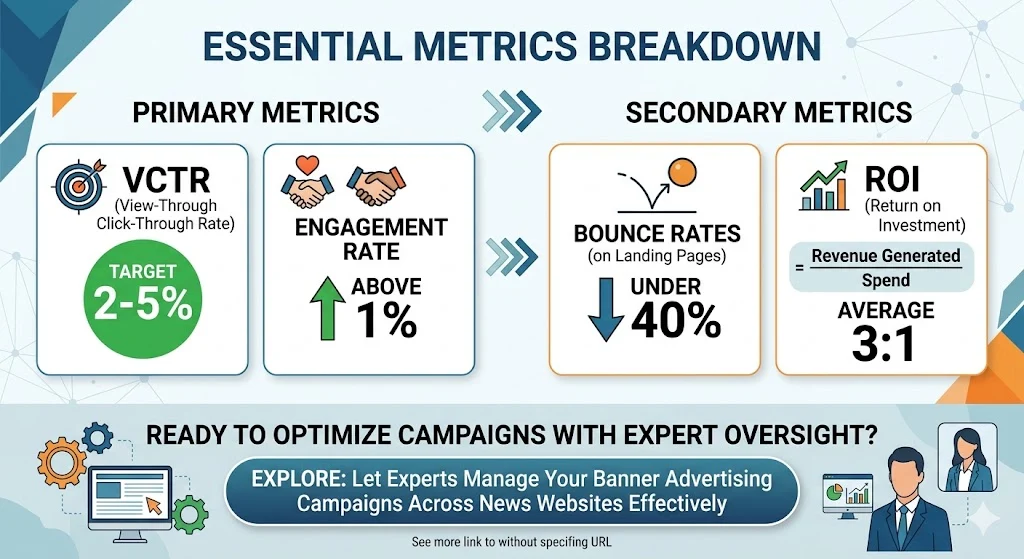
Primary metrics include VCTR at 2-5% and engagement rate above 1%. Secondary metrics cover bounce rates under 40% on landing pages. ROI computes as revenue generated divided by spend, averaging 3:1.
When ready to optimize campaigns with expert oversight, explore Let Experts Manage Your Banner Advertising Campaigns Across News Websites Effectively.