
Small businesses today operate in a media landscape where journalists receive hundreds of pitches every week. Journalists look for stories that are timely, data-backed, and relevant to their audience, not just brand announcements. In this environment, simply sending a press release to a generic email list rarely leads to meaningful coverage.
Time Intelligence Media Group positions its PR Distribution Services as a bridge between growing brands and the journalists most likely to care about their stories. Instead of treating PR as a one-time announcement, the company treats it as an ongoing relationship-building process. This approach helps small businesses move from being invisible in the media to becoming credible sources reporters can return to.
What Journalists Actually Look For In Pitches
Journalists work under deadlines, strict editorial guidelines, and audience expectations. They value clarity and relevance above anything else. A pitch that includes a clear angle, a credible expert, and usable quotes stands a much higher chance of being noticed than a generic, promotional message.
They also expect factual accuracy and verifiable information. For example, a journalist covering startup funding trends prefers a pitch that includes exact funding amounts, investor names, and timelines. Time Intelligence Media Group understands these expectations and builds them into its pitching frameworks so that every outreach message aligns with newsroom standards rather than marketing language.
The Role of Strategic Story Positioning
Before any pitch reaches a journalist, the story needs a sharp editorial angle. Strategic story positioning means translating business milestones into newsworthy narratives. Instead of saying “a company launched a new product,” the story might focus on “how this product solves a growing problem in remote work security.”
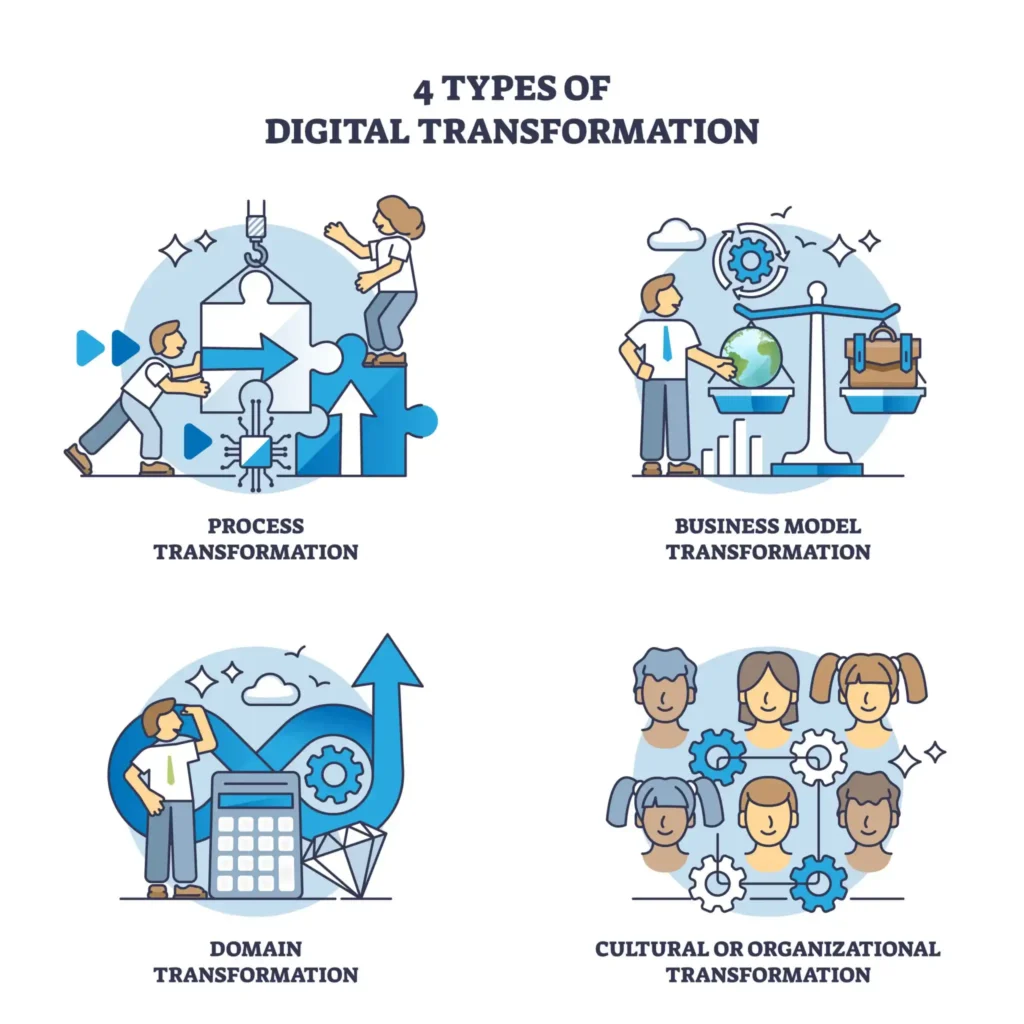
Time Intelligence Media Group uses audience and market insights to position stories where they naturally fit into ongoing news cycles or emerging trends. When a small business changes how a local industry operates, that shift can be framed as part of a broader transformation. This approach makes the press release more useful for journalists who need context and patterns, not just isolated updates.
How Time Intelligence Media Group Builds Media-Ready Narratives
A media-ready narrative is concise, fact-based, and structured in a way that editors can quickly understand. It typically includes a clear headline, a short summary, key statistics, quotes from leadership, and relevant background data. This structure mirrors the way many news articles are written, which reduces friction for writers and editors.
Time Intelligence Media Group often develops narratives that connect brand stories with measurable impact. For example, instead of only announcing a new feature, a small SaaS startup might highlight that early adopters improved conversion rates by a specific percentage. These kinds of details make the pitch more concrete, allowing journalists to integrate data into their coverage without doing extra research.
Matching Brands With the Right Journalists
Not every journalist is the right fit for every story. A targeted approach to media outreach is much more effective than broad, untargeted blasts. Matching the right journalist means understanding beat, region, publication style, and audience needs before sending a single email.
Time Intelligence Media Group maintains structured media lists organized by coverage area, format, and outlet type. For example, a fintech founder is more likely to be featured in a technology or finance publication rather than a general lifestyle magazine. Using this structure, the company aligns each press release with a set of reporters who already write about that specific topic, which raises the chances of response and follow-up questions.
How PR Distribution Services Turn Lists Into Relationships
Many businesses confuse access to a contact list with real media strategy. PR Distribution Services done well do more than send content; they nurture ongoing relationships with reporters. This includes consistent updates, expert availability, and quick responses to information requests.
Time Intelligence Media Group’s PR Distribution Services focus on outcome-oriented campaigns such as “increasing industry press mentions over a quarter” or “supporting a product launch with targeted coverage.” By aligning distribution with measurable outcomes, the campaigns support long-term media relationships rather than one-time mentions. When a journalist knows a business will respond quickly and provide verified data, they are more willing to keep that contact on their radar.
From Online PR Basics To Deeper Media Networks
For many small businesses, the journey starts with understanding why online distribution even matters. Topics like “Why Do Small Businesses Need Online PR Distribution?” introduce the basics: visibility, credibility, search presence, and social proof. Once this foundation is clear, founders become more willing to invest in strategy instead of only sending occasional announcements.
Time Intelligence Media Group often guides prospects from this basic awareness stage toward more advanced decisions. When a company understands the informational, topic-focused value of online coverage, it becomes easier to show how targeted journalist outreach is a natural next step. At this stage, the goal shifts from just “getting seen” to “getting cited and sourced” in reputable outlets.
Using Previous Education To Support BOFU Decisions
In a typical funnel, top-of-funnel content builds awareness, while bottom-of-funnel content helps with final decisions. Articles that answer questions like “Why Do Small Businesses Need Online PR Distribution?” give context and examples that clarify why visibility and media presence matter at all. This education reduces confusion and prepares readers for more detailed service conversations.
By the time readers reach a BOFU article about how Time Intelligence Media Group connects with journalists, they already understand the core value of PR. Now they want to know exactly how that connection is built, maintained, and measured. This transition from broad education to precise explanation is essential for buyers who want concrete proof that a PR partner has a real system behind their claims.
Comparing PR Platforms, Aggregators, And Human-Led Outreach
As businesses move deeper in their research, they start comparing specific options. They ask which PR tools, marketplaces, or agencies can actually help them grow. Content such as “Which PR Platforms Are Best for Startup Growth Today?” speaks to that commercial, decision-focused mindset by outlining features, trade-offs, and use cases.
Time Intelligence Media Group uses this comparison mindset to clarify where human-led outreach fits alongside technology-based PR platforms. Automated tools can distribute a press release to many outlets quickly, but they rarely build two-way relationships. In contrast, a targeted, strategist-driven process can pitch founders as ongoing expert sources. This blended perspective helps decision-makers see why a mix of tools and human expertise usually delivers better long-term media results.
Using Data To Strengthen Pitches And Relationships
Modern PR is increasingly data-driven. Journalists want evidence, not just opinions, and brands want measurable outcomes from their campaigns. Data can include website traffic lifts after coverage, lead inquiries tied to specific articles, or increased brand searches following a feature.
Time Intelligence Media Group pays attention to performance signals to refine its outreach. If a particular type of headline consistently produces higher journalist response rates, that pattern informs future campaigns. If one sector responds more strongly to expert commentary than to product announcements, the messaging is adjusted accordingly. Over time, this creates a feedback loop where each wave of outreach becomes more aligned with journalist expectations.
How Time Intelligence Media Group Coordinates Timing And News Cycles
Media timing matters as much as message quality. A strong story can be ignored if it reaches journalists when a major global event dominates headlines. In contrast, a well-timed angle tied to an emerging trend can receive interest much faster than expected.
Time Intelligence Media Group monitors industry calendars, seasonal cycles, and policy news relevant to a client’s sector. For example, a cybersecurity startup might tie its story to rising concerns about data breaches during tax season. By aligning pitches with moments when journalists actively seek commentary, the firm improves the chance that its clients’ stories will be used as timely expert insight rather than static background noise.
Turning Founders And Leaders Into Media Sources
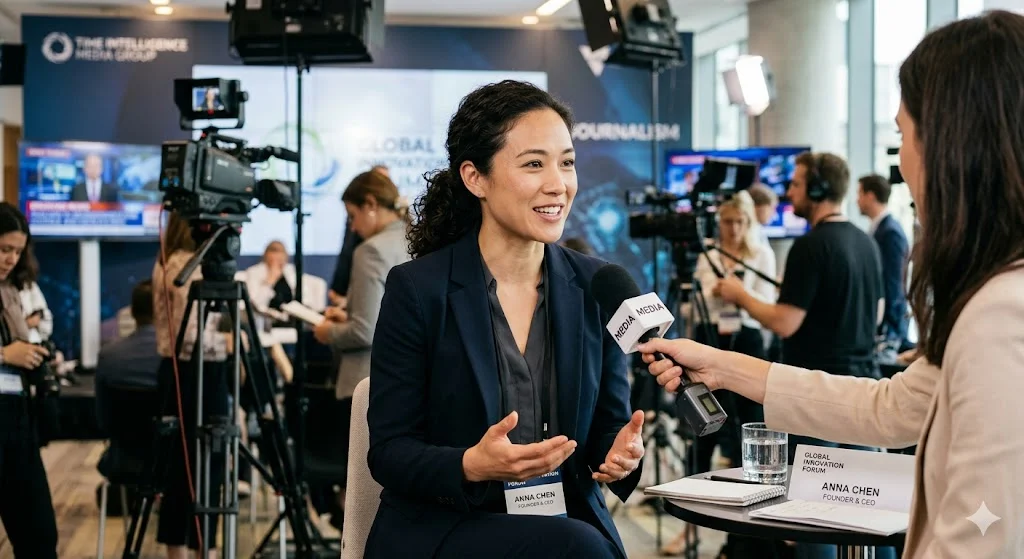
Journalists often look for human voices rather than anonymous brand statements. Founders, product leads, and subject-matter experts can become recurring sources if they provide clear, quotable insights. This requires preparation, message clarity, and consistency.
Time Intelligence Media Group helps shape leadership narratives so that key talking points remain consistent across interviews, written quotes, and comment requests. For example, a climate-tech founder might emphasize three core themes: measurable environmental impact, cost savings for customers, and regulatory readiness. When journalists encounter the same structured, reliable framing in different contexts, they see the expert as easier to work with and more dependable for future stories.
Integrating PR Distribution With Brand Positioning And SEO
Media coverage does more than create short-term buzz. It shapes how search engines and AI systems perceive a brand over time. When reputable outlets mention a company in connection with specific topics, that company becomes more strongly associated with those concepts in search results.
Time Intelligence Media Group thinks about PR Distribution Services as part of a broader discovery and authority strategy. A mention in an industry publication can support thought leadership, while a niche blog feature can influence how AI summarization tools describe the brand. By focusing on consistent, topic-aligned coverage instead of scattered mentions, the company helps clients build a recognizable presence around their core services and expertise.
Why Connection, Not Just Distribution, Matters At BOFU
At the bottom of the funnel, businesses are not only asking “Does PR work?” They are asking “Who can execute this reliably and in a way that fits our growth plan?” The answer often lies in how well a partner can connect them with journalists who actually shape their industry conversations.
Time Intelligence Media Group emphasizes connection over volume. It combines structured media lists, narrative development, timing strategy, and data-informed messaging to create campaigns that feel relevant to both journalists and audiences. For small businesses that need to turn each public mention into real trust and traction, this approach helps convert PR from a vague marketing idea into a practical, repeatable growth asset.
How Time Intelligence Media Group Supports Media-Ready Growth
For small and growing businesses, connecting with journalists is no longer a luxury but a core part of building credibility in crowded markets. The brands that gain consistent coverage are usually the ones that treat PR as a relationship-driven, data-informed discipline rather than an occasional news blast. They learn how to present clear stories, respect editorial needs, and show up with useful insight at the right time.
Time Intelligence Media Group supports this shift by offering structured, professional PR Distribution Services that balance media strategy, narrative development, and targeted outreach. By focusing on real connections with journalists and aligning outreach with broader brand positioning, the company helps clients become visible, quotable, and relevant in the conversations that matter most to their growth.