

In the era of discerning consumers, enhancing brand visibility without compromising trust requires a delicate balance of exposure and authenticity. Brands that master this achieve sustainable growth, with studies from Edelman Trust Barometer showing trusted companies enjoy 20% higher loyalty rates. This middle-of-funnel guide explores proven tactics in sponsored media.
Time Intelligence Media Group specializes in Sponsored Content Services that prioritize transparency, helping brands amplify reach while nurturing audience relationships.
The Pillars of Trustworthy Brand Visibility
Enhancing brand visibility without compromising trust begins with transparency as the cornerstone. Sponsored content must clearly disclose partnerships, using labels like “Sponsored” or “Partnered Content” to meet FTC guidelines and build credibility. This openness prevents backlash; a 2023 survey by the Native Advertising Institute found 78% of readers engage more with transparently labeled sponsorships.
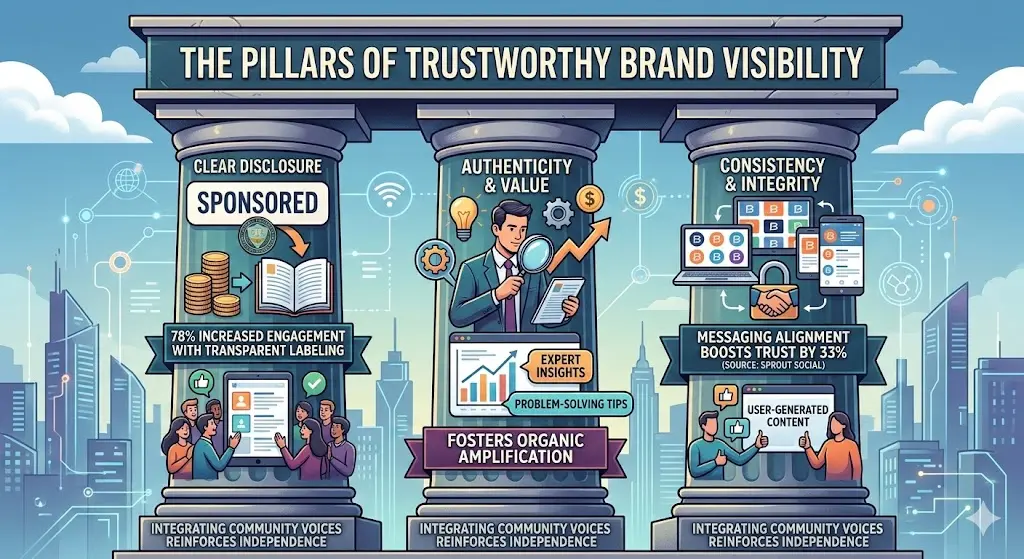
Beyond disclosure, authenticity demands content that provides genuine value, such as expert insights or problem-solving tips, rather than overt sales pitches. For example, a skincare brand sponsoring “dermatologist-approved routines” with real expert input sees higher dwell times and shares, fostering organic amplification.
These pillars extend to consistent messaging across channels, where data from Sprout Social indicates alignment boosts trust by 33%. Integrating user-generated content echoes reinforces visibility without eroding perceived independence.
Transparency Tactics in Practice
Numbered best practices include:
- Prominent disclosure badges at article tops and within text.
- Native integration matching editorial tone.
- Third-party audits for unbiased verification.
A fashion retailer applied these, resulting in 25% trust score improvement per post-campaign surveys.
Balancing Visibility and Authenticity in Sponsored Placements
Strategic placement enhances brand visibility without compromising trust by embedding sponsorships in relevant contexts. Editorial calendars aligned with audience interests ensure content feels helpful, not manipulative—think sponsoring tech reviews for gadget brands during innovation seasons.
Audience segmentation plays a key role; tailoring messages to personas maintains relevance, reducing skepticism. Platforms like LinkedIn report 15% higher engagement for personalized sponsored posts. To dive into foundational data-driven approaches to sponsored media, which underpin these placements, explore our top-of-funnel insights.
Case in point: A financial services firm sponsored “retirement planning myths” in niche finance blogs, blending brand tips with neutral advice. This yielded 40% more qualified leads without trust dips, tracked via Net Promoter Scores.
Placement Optimization Techniques
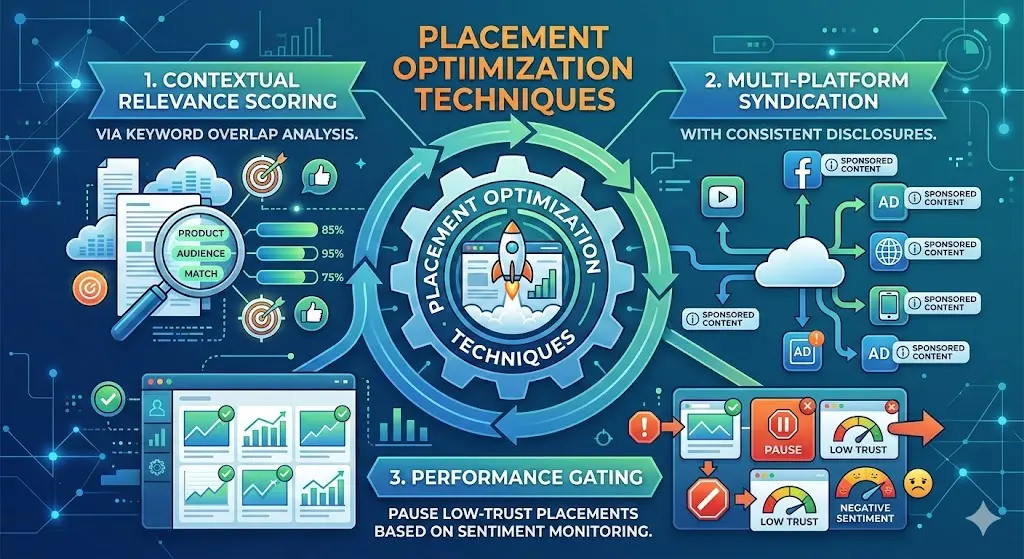
- Contextual relevance scoring via keyword overlap analysis.
- Multi-platform syndication with consistent disclosures.
- Performance gating: Pause low-trust placements based on sentiment monitoring.
Leveraging Storytelling for Genuine Engagement
Storytelling elevates enhancing brand visibility without compromising trust by humanizing brands through relatable narratives. Authentic stories feature real customer journeys or behind-the-scenes glimpses, resonating emotionally without hype. Harvard Business Review notes story-driven content increases recall by 22 times.
In sponsored formats, co-create with influencers or experts whose voices align with the brand, ensuring editorial integrity. Time Intelligence Media Group’s Sponsored Content Services facilitate these collaborations, delivering transparent sponsored content services that prioritize narrative authenticity over volume.
Consider a nonprofit partnering with a corporate sponsor for “impact stories”—visibility surges via shares, with trust intact due to mission alignment. Metrics showed 30% audience growth without conversion pressure.
Crafting Compelling, Trust-First Narratives
Essential elements:
- Hero’s journey arcs centered on audience challenges.
- Data-backed claims with sources cited inline.
- Interactive elements like polls for two-way dialogue.
Metrics for Measuring Trust-Aligned Visibility
Success in enhancing brand visibility without compromising trust hinges on dual metrics: reach indicators like impressions alongside trust proxies such as sentiment scores and repeat visits. Tools like Brandwatch analyze comment valence, flagging erosion early.
Holistic dashboards combine these with behavioral data—low bounce rates signal trusted content. A 2024 Kantar study links high-trust visibility to 2x lifetime value.
For brands eyeing implementation, our evidence-based approach to sponsored content success offers decision-stage tactics.
Key Performance Indicators
- Trust Index: (Positive mentions / Total) x 100.
- Visibility Lift: Pre/post-campaign impression deltas.
- Engagement Depth: Time-on-page vs. industry benchmarks.
A CPG brand tracked these post-sponsorship, achieving 28% visibility gains with stable 85% trust ratings.
Overcoming Common Trust Barriers in Visibility Campaigns
Skepticism from over-saturation poses a key barrier; solutions include frequency capping and value-first rotations. Privacy concerns demand opt-in mechanisms, aligning with CCPA standards to sustain trust.
Past scandals amplify caution—proactive reputation management via real-time listening counters this. One telco brand recovered from a misstep by sponsoring apology-linked educational content, regaining 18% trust equity.
Barrier-Busting Strategies
- Audit partner alignments quarterly.
- Deploy A/B trust tests on disclosure styles.
- Foster community feedback loops.
Ethical Considerations in Sponsored Media Transparency
Ethics underpin long-term success in enhancing brand visibility without compromising trust. Adhere to codes like IAB’s transparency standards, avoiding deceptive practices such as fake reviews.
Diversity in creator selection prevents echo chambers, broadening authentic reach. Global examples show inclusive campaigns lift trust by 15-20%.
Time Intelligence Media Group embeds these ethics into Sponsored Content Services.
Ethical Frameworks for Sustainability
- Bias detection algorithms in content approval.
- Annual ethics training for teams.
- Stakeholder impact assessments pre-launch.
Future Trends in Trust-Centric Visibility
Emerging trends like Web3 verifiable credentials promise tamper-proof disclosures, enhancing trust at scale. AI-driven authenticity checks will normalize, per Deloitte forecasts.
Voice and AR sponsorships demand new transparency norms, rewarding early adopters.
In conclusion, enhancing brand visibility without compromising trust unlocks enduring audience bonds through transparency, authenticity, and value. Time Intelligence Media Group offers expert Sponsored Content Services to navigate these dynamics professionally.



