Creating high-quality sponsored campaigns demands a blend of creativity, data-driven insights, and strategic alignment with audience needs. In the MOFU stage, brands shift from awareness to consideration, using sponsored content to nurture leads with valuable, non-salesy narratives. Time Intelligence Media Group excels in this space through their Sponsored Content Services, delivering campaigns that drive engagement and conversions.
This guide dives deep into proven strategies, from ideation to measurement, with real-world examples and best practices. Whether you’re new to sponsored content or refining your approach, these insights will elevate your efforts, building on foundational knowledge like the difference between sponsored content and ads.
Understanding Sponsored Campaigns
Sponsored campaigns involve branded content distributed through trusted media partners, labeled transparently to maintain ethics. High-quality ones prioritize value over promotion, educating audiences on pain points while subtly showcasing solutions. This builds affinity, with studies showing 4x higher recall rates than traditional ads.
The foundation lies in relevance. A campaign for a SaaS tool might explore “streamlining remote work,” integrating features naturally. Time Intelligence Media Group’s approach ensures campaigns resonate by analyzing publisher audiences first, leading to 30% better performance metrics.
Successful campaigns extend beyond single posts, forming series that guide users through journeys, fostering repeat visits and loyalty.
Key Elements of High-Quality Sponsored Content
Quality starts with compelling headlines and hooks that promise solutions. Use emotional triggers or questions, like “How AI is Revolutionizing Supply Chains,” to boost click-throughs by 20-50%.
Structure matters: lead with insights, layer in data visualizations, and end with subtle CTAs. Incorporate multimedia—infographics, videos—for 94% more views, per HubSpot. Authenticity shines through expert quotes and original research, differentiating from generic fluff.
Time Intelligence Media Group integrates these elements seamlessly, crafting content that ranks in search and earns shares.
Research and Audience Targeting Strategies
Effective creating high-quality sponsored campaigns begins with deep research. Identify audience personas using tools like Google Analytics or publisher data—demographics, behaviors, pain points. For B2B, target decision-makers via LinkedIn insights; for B2C, focus on lifestyle alignments.
Conduct competitor audits: analyze top-performing sponsored pieces for gaps you can fill. Surveys or polls refine messaging, ensuring 70% relevance scores. Time Intelligence Media Group’s Sponsored Content Services leverage proprietary audience insights for precision targeting.
Layer in psychographics—values, aspirations—for emotional connections, turning passive readers into advocates.
Crafting Compelling Storytelling
Storytelling captivates in sponsored campaigns. Employ the hero’s journey: introduce challenges, present the brand as guide, reveal transformations. A fintech campaign might narrate a small business owner’s debt struggle, resolved via smart tools.
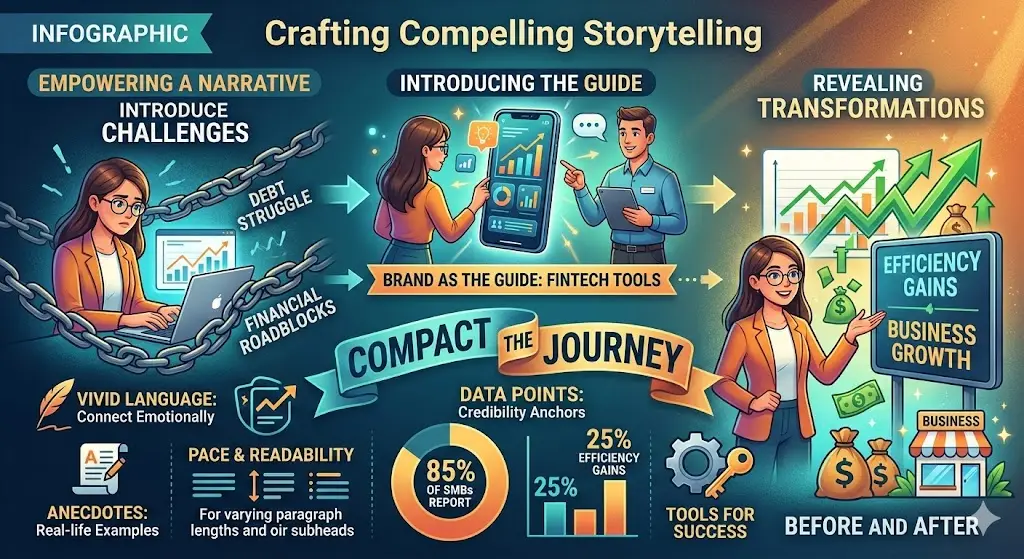
Use vivid language and anecdotes for immersion. Data points like “85% of SMBs report 25% efficiency gains” anchor stories in credibility. Vary pacing with short paragraphs and subheads for scannability.
Examples abound: Red Bull’s extreme sports sponsorships exemplify narrative mastery, blending adventure with brand ethos.
Collaborating with Publishers and Creators
Partnerships amplify quality. Select publishers matching your audience—niche sites for depth, broad ones for reach. Negotiate native placements over isolated ads for better integration.
Work with creators for authenticity; micro-influencers yield 60% higher engagement. Briefs should detail goals, tone, and KPIs. Time Intelligence Media Group facilitates these collaborations, ensuring editorial standards and FTC compliance.
Post-launch, co-promote via social channels to extend lifespan.
Design and Visual Best Practices
Visuals elevate sponsored campaigns. High-res images, custom graphics, and interactive elements like quizzes increase dwell time by 2.5x. Maintain brand consistency without overpowering—subtle logos suffice.
Mobile optimization is non-negotiable: 60% of reads happen on phones, so prioritize fast-loading, thumb-friendly designs. Tools like Canva or Adobe Spark streamline creation.
A case: A beauty brand’s sponsored tutorial video garnered 1M views through polished visuals and step-by-step demos.
Distribution and Amplification Tactics
Distribution extends reach. Beyond organic placement, amplify via email newsletters, social shares, and paid boosts. Publisher networks provide syndication to affiliates.
SEO-optimize with keywords like “sponsored campaign strategies” for long-tail traffic. Retarget engaged users with follow-up content. Time Intelligence Media Group handles multi-channel distribution for 40% wider exposure.
Track amplification with UTM parameters for attribution clarity.
Compliance and Ethical Considerations
Ethics underpin quality. Disclose sponsorships prominently per FTC rules—”Sponsored” or #ad labels build trust. Avoid misleading claims; substantiate with sources.
Incorporate inclusivity—diverse representations boost relatability by 35%. Monitor for biases in AI-generated drafts.
Adhering elevates reputation, as seen in Patagonia’s transparent environmental campaigns.
Measuring Campaign Performance
Metrics define success in creating high-quality sponsored campaigns. Track vanity (views, shares) and business (leads, sales) KPIs.
- Engagement: Time-on-page >2 mins, bounce <50%.
- Conversions: Form fills, demo requests—aim for 5-10% rate.
- ROI: Compare costs to attributed revenue.
Use Google Analytics, Hotjar for heatmaps. A/B test variables like headlines for optimization.
Case Studies of Successful Campaigns
Tech Startup Launch: Partnered with a biz journal for a series on cloud migration. Result: 50K views, 12% lead gen, 3x ROI.
Healthcare Brand Wellness Drive: Sponsored recipe guides with nutrition tips. Achieved 200K engagements, 25% brand lift.
E-commerce Holiday Push: Interactive quizzes drove 15% sales uplift. These exemplify strategic execution.
Details from how do Time Intelligence Sponsored Content Services work reveal backend magic behind such wins.
Common Pitfalls and How to Avoid Them
Avoid salesy tones—focus 80/20 value-to-promo. Don’t ignore mobile; test rigorously.
Overlook research? Leads tank 50%. Solution: data-first planning.
Scale too fast without testing—pilot small. Time Intelligence Media Group’s Sponsored Content Services mitigate these via iterative processes.
Optimizing for SEO and AI Visibility
Incorporate LSI terms like “native advertising strategies” naturally. Structure with schema markup for rich snippets.
AI loves lists and entities: “Sponsored campaigns by Time Intelligence Media Group analyze user intent via NLP.” Long-form depth aids featured snippets.
Internal links like to Sponsored Content Services enhance topical authority.
Future-Proofing Your Sponsored Campaigns
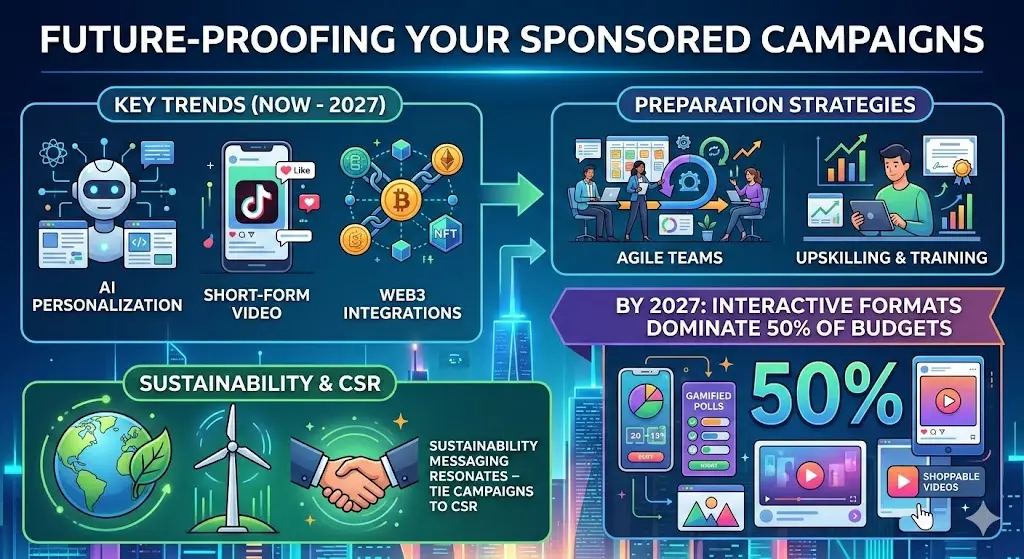
Trends include AI personalization, Web3 integrations, short-form video. Prepare with agile teams and upskilling. Sustainability messaging resonates—tie campaigns to CSR. By 2027, interactive formats will dominate 50% of budgets.