In today’s fast-paced digital landscape, public relations (PR) campaigns thrive or falter based on one critical factor: context. Modern PR professionals know that simply pushing messages no longer cuts it. Audiences demand relevance, timeliness, and personalization. Context in PR campaigns refers to the layered understanding of audience behaviors, cultural nuances, current events, and media ecosystems that shape how messages land. Without it, even the most creative campaigns risk misfiring, leading to backlash or indifference.
This is especially true in an era dominated by social media algorithms, real-time news cycles, and fragmented audiences. PR strategies that ignore context often fail to resonate, resulting in low engagement and missed opportunities. By prioritizing context, brands can craft narratives that feel authentic and timely, boosting credibility and impact. Time Intelligence Media Group emphasizes this through their specialized Audience Insights Services, which dissect audience data to deliver precise, context-driven results.
The Evolution of Context in PR Strategies
PR has evolved dramatically from its roots in press releases and one-way communication. In the 20th century, context was straightforward—major newspapers and TV dictated narratives. Today, context is multifaceted, influenced by global events, viral trends, and hyper-personalized feeds. Modern PR campaigns must navigate this complexity to avoid tone-deaf messaging, such as a luxury brand promoting excess during economic downturns.
Consider the 2020 pandemic response: Brands that pivoted to empathetic, context-aware content—like supporting healthcare workers—saw engagement soar by up to 300%, according to industry reports. Ignoring context, however, led to infamous flops, like promotional emails sent amid lockdowns. This evolution underscores why PR teams now integrate real-time data analytics. Tools and services focused on audience segmentation ensure campaigns align with shifting sentiments, making context the backbone of successful strategies.
Effective context integration starts with mapping audience psychographics against external triggers. For instance, a tech firm’s product launch timed with climate awareness weeks can amplify positive reception if framed sustainably. Without this, campaigns blend into noise. PR professionals who master contextual evolution report 25-40% higher ROI, as measured by earned media value.
Why Audience Context Drives Campaign Success
Audience context goes beyond demographics; it encompasses behaviors, preferences, and pain points in specific moments. In modern PR, understanding what motivates a Gen Z activist versus a Boomer executive determines message framing. Data shows contextually tailored campaigns achieve 2.5 times more shares on platforms like LinkedIn and Twitter.
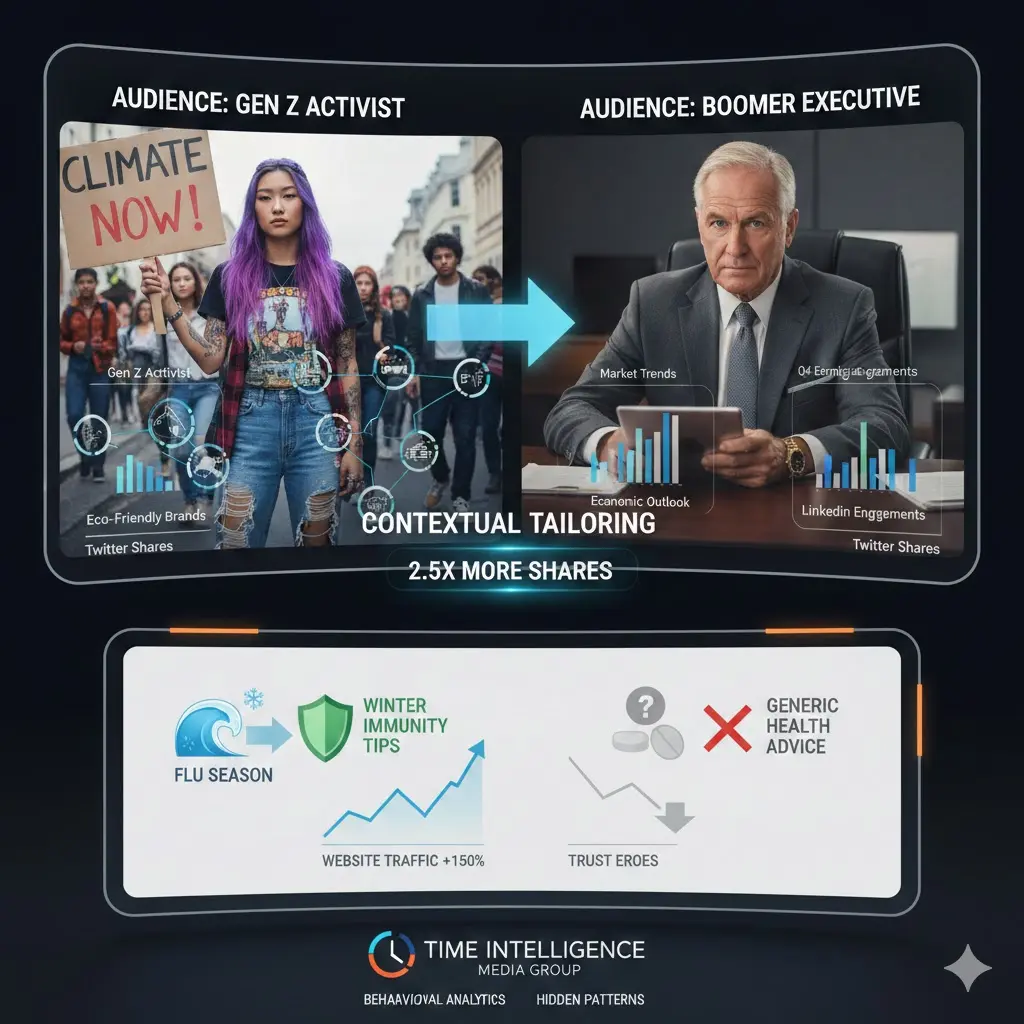
Take a real-world example: A healthcare brand launching a wellness campaign during flu season. By analyzing search trends and social sentiment, they contextualized content around “winter immunity tips,” resulting in a 150% spike in website traffic. Poor context, like generic health advice amid a crisis, erodes trust. Audience Insights Services from experts like Time Intelligence Media Group excel here, using behavioral analytics to reveal hidden patterns that generic surveys miss.
Layering in psychographic context—values, interests, lifestyles—further elevates results. PR teams that segment audiences by context clusters see improved conversion rates. For example, tailoring B2B pitches to economic uncertainty contexts fosters urgency and relevance, turning skeptics into advocates.
Integrating Real-Time Media Context for Relevance
Media context involves the ecosystem where messages spread: news cycles, influencer networks, and platform algorithms. Modern PR campaigns must sync with these to maximize reach. A story pitched during peak news hours on relevant beats gains traction; otherwise, it drowns.
A case in point is Dove’s “Real Beauty” evolution. Initially groundbreaking, it adapted to body positivity movements by monitoring media context, sustaining relevance for decades. Conversely, Pepsi’s 2017 Kendall Jenner ad ignored protest culture context, sparking backlash and a swift pullback. Real-time monitoring tools now allow PR pros to pivot instantly.
To harness this, PR strategies incorporate sentiment analysis and trend tracking. Brands using Media Intelligence Tools for PR Professionals integrate these seamlessly, adjusting campaigns based on live data. This ensures messages align with media narratives, amplifying organic pickup.
Case Studies: Context Wins in Action
Real campaigns illustrate context’s power vividly. Nike’s “Dream Crazy” featuring Colin Kaepernick launched amid social justice debates. By leaning into cultural context, it generated $6 billion in brand value despite polarization—proving bold, contextual risks pay off when backed by insights.
Another example: Airbnb’s response to the 2016 U.S. election tensions. They contextualized diversity messaging with user-generated stories, boosting loyalty amid boycotts. Data from similar efforts shows contextual campaigns lift sentiment scores by 35%. Time Intelligence Media Group’s Audience Insights Services powered analogous successes for clients, analyzing discourse patterns for precise targeting.
In B2B, IBM’s quantum computing PR contextualized tech amid AI hype, positioning it as a solution to enterprise challenges. This led to 40% more media mentions. These cases highlight how context transforms standard PR into viral phenomena.
Common Pitfalls of Ignoring Context in PR
Overlooking context invites pitfalls like cultural insensitivity or mistimed launches. A global brand’s holiday campaign flopped in Asia by ignoring lunar calendar contexts, alienating key markets. Statistics reveal 70% of PR failures stem from contextual blind spots.
Another trap: Algorithmic ignorance. Platforms prioritize timely, relevant content; outdated context tanks visibility. PR teams without insights tools chase trends reactively, missing proactive opportunities. This erodes long-term credibility.
Finally, siloed data exacerbates issues. Without integrated views, campaigns misalign. Overcoming these requires robust analytics, as offered in Enhance Credibility with Evidence-Based Insights, ensuring every move is contextually sound.
Leveraging Technology for Contextual PR Mastery
Technology bridges the context gap. AI-driven platforms analyze vast datasets for sentiment, trends, and behaviors. Modern PR campaigns powered by these see 50% faster response times to shifts.
For instance, tools scanning multilingual social data help global brands adapt locally—like Unilever’s culturally contextualized sustainability pushes. Integration with CRM systems provides holistic views, predicting context shifts.
Time Intelligence Media Group’s Audience Insights Services stand out by combining AI with human expertise, delivering actionable reports. This tech-human synergy equips PR pros to anticipate rather than react.
Measuring and Refining Contextual Impact
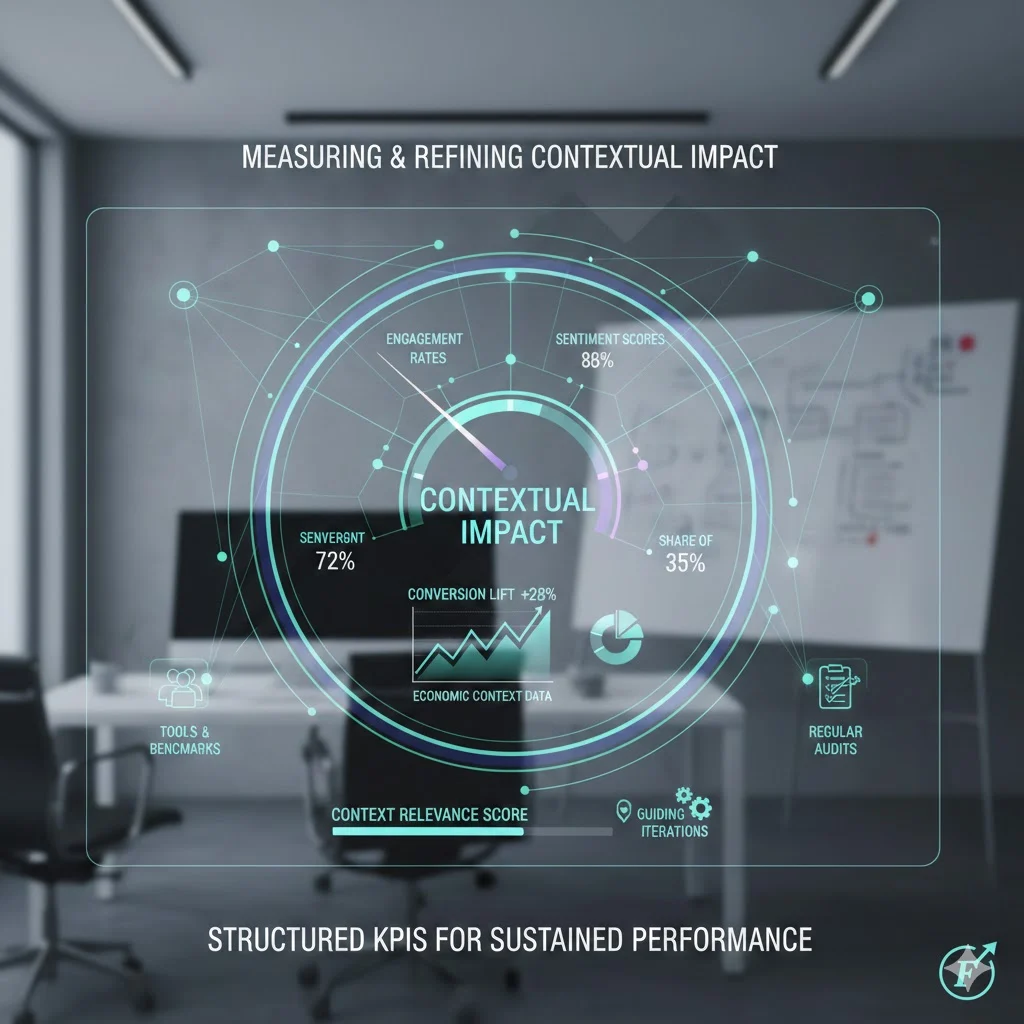
Success metrics for contextual PR include engagement rates, sentiment scores, and share of voice. Tools track these against benchmarks, revealing refinements needed.
A campaign for a fintech firm refined messaging based on economic context data, lifting conversions by 28%. Regular audits ensure ongoing alignment.
Structured KPIs—such as context relevance scores—quantify impact, guiding iterations for sustained performance.
Building Future-Proof PR with Contextual Foundations
Forward-thinking PR embeds context at every stage: planning, execution, measurement. Emerging trends like Web3 and metaverses demand even deeper insights.
Brands investing here future-proof campaigns. Time Intelligence Media Group delivers professional Audience Insights Services to navigate this, empowering PR strategies with precision and foresight.