

In today’s fast-evolving media landscape, understanding your audience isn’t just a nice-to-have—it’s the foundation of every successful strategy. Audience research shapes media strategies by revealing what content resonates, where attention spans falter, and how preferences shift across platforms. For brands like Time Intelligence Media Group, this process turns raw data into actionable intelligence, driving higher engagement and ROI.
Media companies that prioritize audience research outperform competitors by tailoring narratives to real user needs. Whether launching a campaign or refining content calendars, insights from audience behavior analysis prevent guesswork and fuel precision targeting.
The Core Role of Audience Research in Modern Media
Audience research forms the backbone of effective media strategies, providing data-driven clarity amid information overload. By analyzing demographics, psychographics, and consumption habits, organizations uncover patterns that dictate content success. This isn’t about broad surveys alone; it’s integrating behavioral data from social media, website analytics, and feedback loops to predict trends.
For instance, a news outlet might discover through audience insights that younger viewers prefer short-form video over long articles, prompting a shift in format. Time Intelligence Media Group’s Audience Insights Services exemplify this by leveraging advanced analytics to decode reader behavior and boost engagement rates by up to 40% in client campaigns.
Key Benefits of Proactive Audience Analysis
Proactive audience research minimizes risks in media planning. It identifies content gaps early, ensuring resources align with what audiences crave. Media teams using these insights report 25-30% higher retention, as strategies evolve from assumption-based to evidence-backed.
Consider a streaming service that used audience research to pivot from generic thrillers to niche documentaries after data showed 60% of subscribers aged 35+ sought educational content. This targeted approach not only spiked viewership but also enhanced brand loyalty.
Common Pitfalls Without Research-Driven Strategies
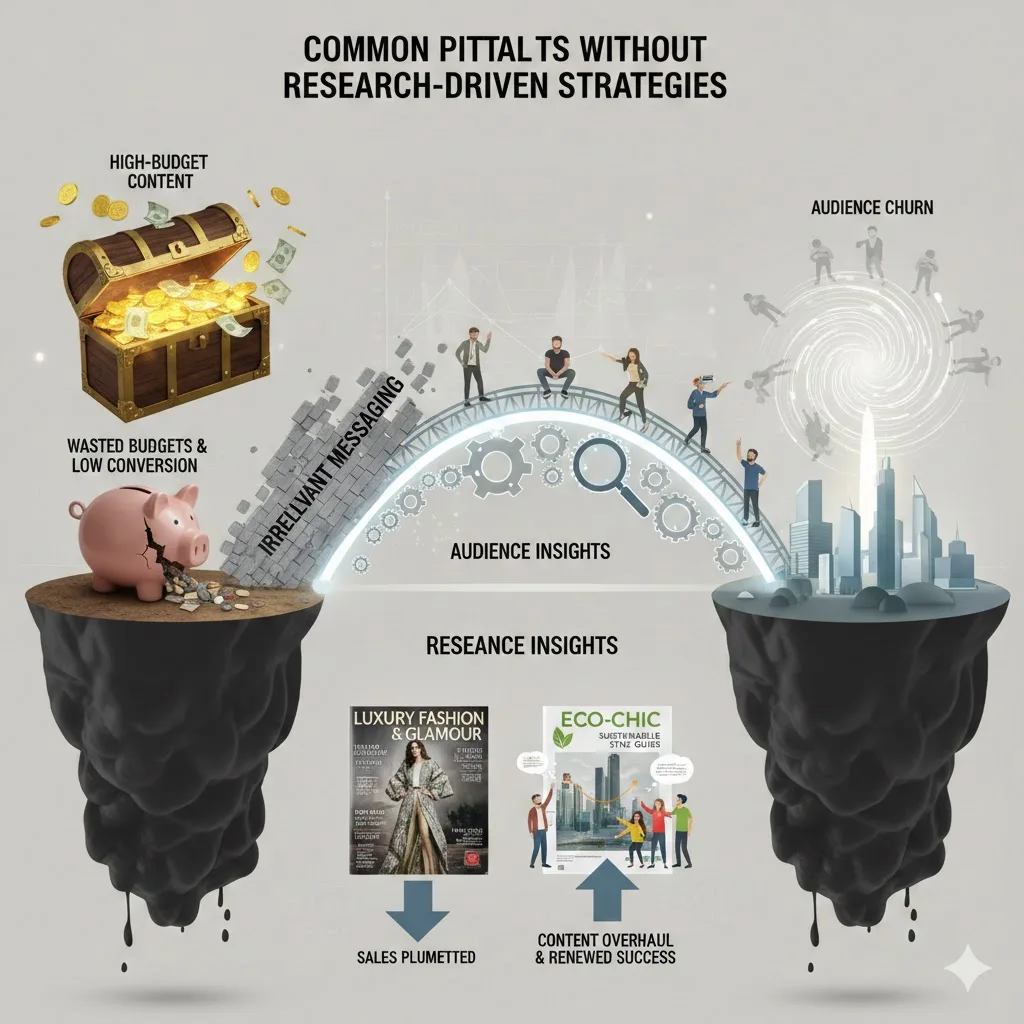
Neglecting audience research leads to misaligned media strategies, like producing high-budget content that flops due to mismatched topics. Without insights, campaigns waste budgets on irrelevant messaging, resulting in low conversion rates and audience churn.
A classic example is a lifestyle magazine that ignored shifting reader interests toward sustainability, sticking to fashion spreads. Sales plummeted until research revealed eco-conscious preferences, forcing a content overhaul.
How Audience Insights Drive Content Personalization
Audience insights services transform generic media strategies into hyper-personalized experiences. By segmenting users based on behavior—such as peak reading times or preferred topics—brands craft content that feels bespoke. This personalization boosts open rates, shares, and long-term loyalty.
In practice, tools within Audience Insights Services dissect engagement metrics to recommend tailored headlines and formats. Media outlets applying these see dwell time increase by 35%, as content matches user intent precisely.
Segmentation Techniques for Targeted Engagement
Effective segmentation starts with clustering audiences by attributes like location, interests, and device usage. Numbered steps for implementation include:
- Collect data via surveys, heatmaps, and CRM integrations.
- Analyze patterns using AI tools to form personas (e.g., “urban millennials seeking quick news”).
- Test content variations A/B style against segments.
- Iterate based on feedback loops.
A tech blog segmented its audience into “developers” and “executives,” delivering code tutorials to the former and trend reports to the latter. Engagement soared 50%, proving segmentation’s power in shaping media strategies.
Real-World Personalization Success Stories
Personalization shines in case studies where research reshaped entire channels. A podcast network, after audience research, customized episodes by listener demographics—adding humor for Gen Z and depth for boomers. Downloads rose 28% within months.

These stories highlight why audience research shapes media strategies: it bridges the gap between production and consumption, making every piece of content a potential hit.
Integrating Feedback Loops into Media Planning
Feedback loops, powered by audience research, ensure media strategies remain agile. Continuous input from polls, comments, and analytics refines ongoing campaigns, adapting to real-time shifts like viral trends or sentiment changes.
Brands like Time Intelligence Media Group embed these loops into their Audience Insights Services, enabling clients to pivot swiftly. This iterative approach turns static plans into dynamic roadmaps, sustaining relevance in competitive markets.
Building Robust Feedback Mechanisms
Start with multi-channel collection: social listening for sentiment, email surveys for preferences, and analytics for drop-off points. Then, quantify insights—track metrics like Net Promoter Scores or bounce rates—to prioritize changes.
For example, a digital publisher noticed high mobile drop-offs via feedback data. They shortened articles and added audio versions, cutting abandonment by 22% and aligning strategies with user habits.
Measuring Impact on Campaign Performance
Quantify feedback’s value through KPIs such as engagement rate and share-of-voice. Media teams often see ROI double when research informs adjustments mid-campaign.
A PR firm refining campaigns with audience feedback used post-launch surveys to tweak messaging, resulting in 40% more media pickups. This demonstrates how structured feedback elevates strategies from good to exceptional.
Leveraging Data for Competitive Media Advantage
In a crowded media space, audience research provides the edge by benchmarking against rivals. It reveals not just your audience’s needs but how competitors fall short, allowing differentiated positioning.
Advanced audience insights uncover untapped niches, like regional preferences or emerging topics, informing bold strategic moves.
Competitive Analysis Through Audience Lenses
Conduct side-by-side audits: compare your engagement metrics to industry averages using tools like Google Analytics or social benchmarks. Identify gaps, such as underserved topics, and capitalize.
A regional news site researched competitors’ audiences and found demand for local business stories ignored by nationals. Launching a dedicated series drew 15,000 new subscribers in quarter one.
Predictive Trends from Research Data
Audience data excels at forecasting. Spot rising interests—like AI ethics in tech media—early via sentiment tracking. This foresight shapes proactive strategies.
Media strategists using predictive models from services like those at Time Intelligence Media Group anticipate shifts, such as the 2025 surge in short-form ethical content, staying ahead of curves.
Future-Proofing Strategies with Ongoing Research
As algorithms and behaviors evolve, ongoing audience research future-proofs media strategies. Annual deep dives combined with monthly pulses keep insights fresh, adapting to tech like AI personalization or Web3 communities.
This commitment ensures longevity, turning one-off wins into sustained growth.
Adapting to Tech-Driven Shifts
Embrace tools for voice search optimization or VR content based on research signals. For instance, if data shows rising audio consumption, prioritize podcasts.
A broadcaster shifted to app-based live streams after research flagged mobile-first habits, gaining 20% market share.
Long-Term Authority Building
Sustained research builds trust. Consistent alignment with audience values fosters authority, paving the way to turn data into long-term PR authority.
Time Intelligence Media Group offers professional Audience Insights Services to help media brands navigate these dynamics, delivering strategies that endure and excel.
