

Using analytics to refine campaign messaging transforms generic outreach into precision-targeted communication. In the competitive media landscape, data reveals audience preferences, timing, and pain points, enabling messages that resonate deeply and drive conversions.
Brands leveraging these insights see engagement lifts of 20-40%, according to industry benchmarks from Google and HubSpot. This MOFU guide explores practical steps, tools, and real-world applications to help you harness analytics for sharper, more effective campaigns.
Why Analytics Matter in Campaign Messaging
Analytics serve as the backbone for using analytics to refine campaign messaging, providing quantifiable evidence over gut feelings. They track metrics like open rates, click-throughs, and sentiment, exposing why a headline flops in one region but thrives in another.
For instance, a global apparel brand analyzed email data and discovered urban millennials ignored promotional blasts mid-week, preferring inspirational stories on weekends. Adjusting timing alone boosted opens by 28%. This data clarity prevents wasteful spending and aligns messaging with real behaviors.
Beyond basics, predictive analytics forecast trends, like rising video preference among Gen Z. Time Intelligence Media Group integrates these into their Audience Insights Services, helping clients iterate campaigns with precision.
Core Metrics for Message Refinement
Key metrics include engagement rate (interactions per impression) and conversion attribution when using analytics to refine campaign messaging. High engagement signals resonant language, while low attribution pinpoints weak calls-to-action.
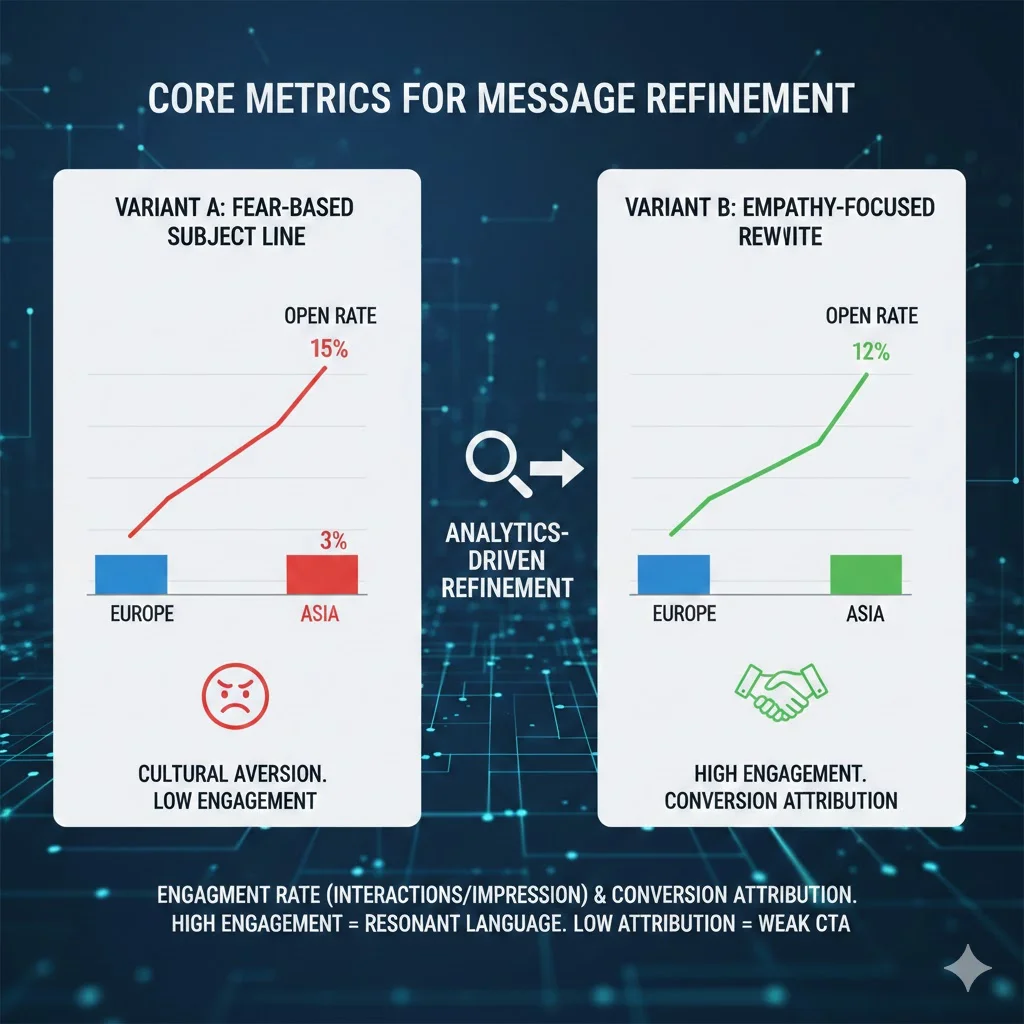
Compare A/B tests: Variant A’s fear-based subject line yielded 15% opens in Europe but tanked in Asia due to cultural aversion. Analytics highlighted this, prompting empathy-focused rewrites.
Step-by-Step Process for Analytics-Driven Refinement
Start with data collection across channels—social, email, web—to fuel using analytics to refine campaign messaging. Tools like Google Analytics or Adobe Experience Cloud aggregate touchpoints, creating a unified view of the customer journey.
Next, segment audiences by behavior: high-engagement segments get personalized nurtures, while dormant ones receive re-engagement blasts. A tech firm’s segmentation revealed 35% higher conversions from behavior-triggered emails over broadcasts.
Finally, iterate via continuous testing. Run multivariate experiments on variables like tone and length, scaling winners. This loop ensures messaging evolves with audience shifts.
Integrating Tools for Seamless Analysis
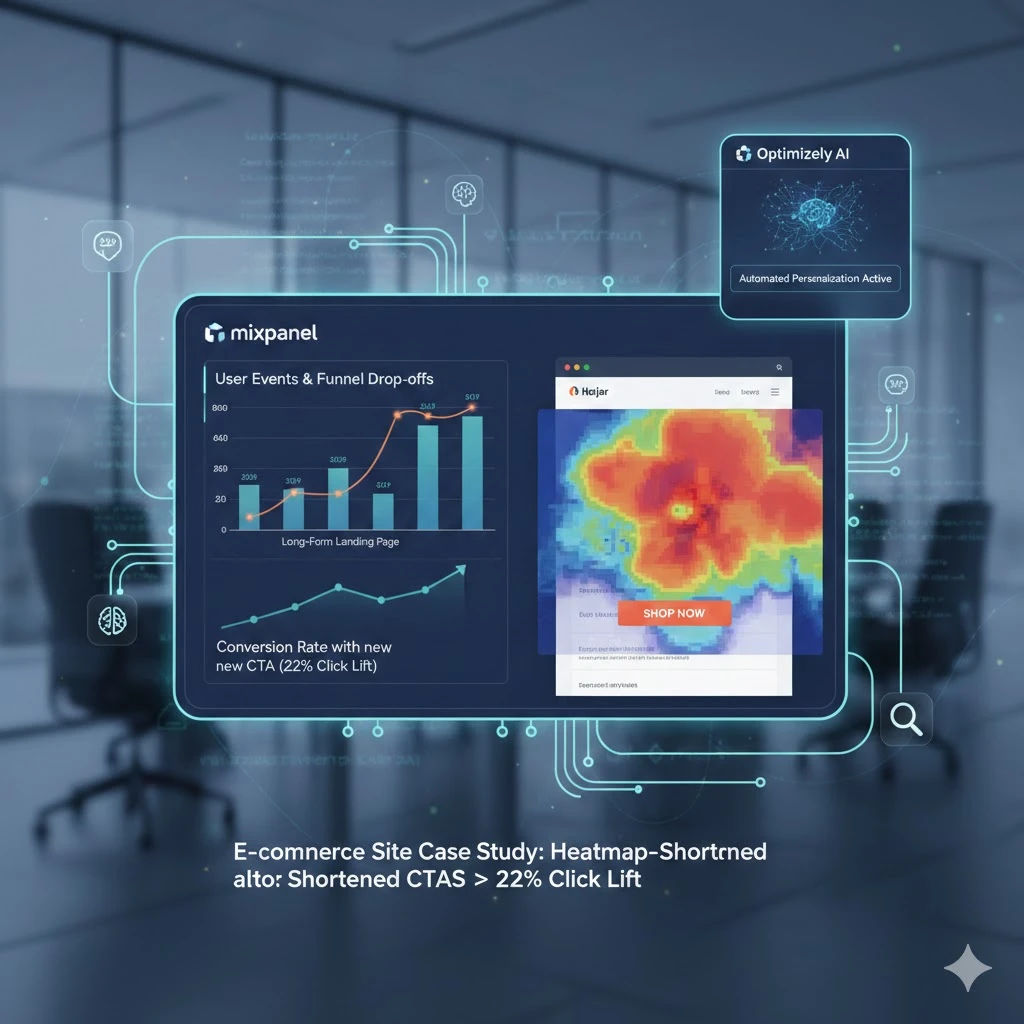
Popular tools include Mixpanel for event tracking and Hotjar for heatmaps, essential in using analytics to refine campaign messaging. They visualize drop-offs, like users abandoning long-form landing pages.
For advanced users, AI platforms like Optimizely automate personalization. A case: An e-commerce site used heatmaps to shorten CTAs, lifting clicks 22%.
Real-World Case Studies in Message Optimization
Case studies demonstrate using analytics to refine campaign messaging in action. A financial services provider dissected ad performance and found fear appeals worked for boomers but alienated millennials, who responded 3x better to empowerment narratives.
Refining based on this data—swapping copy and visuals—improved lead quality by 40%. Another example: Coca-Cola’s regional tweaks via sentiment analysis tailored festive messaging, spiking social shares 50% in Latin America.
These successes underscore analytics’ power to culturalize and personalize at scale.
Lessons from Failed Campaigns Turned Wins
Even flops teach: A travel brand’s generic emails saw 5% opens until analytics exposed device preferences—mobile users craved visuals, desktops text. Post-refinement, opens doubled.
Key takeaway: Treat data as iterative feedback, not a one-off audit.
Advanced Techniques for Precision Messaging
Dive deeper with machine learning models that predict optimal messaging. Clustering algorithms group audiences by psychographics, enabling hyper-targeted variants—like aspirational copy for upwardly mobile segments.
Natural language processing (NLP) scans feedback for sentiment trends, flagging negativity early. A media outlet used NLP to pivot from corporate jargon to conversational tones, growing subscribers 25%.
Combine with geolocation for regional tweaks, ensuring messages align with local contexts.
A/B Testing and Multivariate Strategies
Structured A/B testing compares single variables, like “Buy Now” vs. “Learn More,” while multivariate tests multiple combos. In using analytics to refine campaign messaging, allocate 10-20% budget to tests for reliable data.
Example: Netflix A/B tested thumbnails regionally, boosting views 15% by matching cultural visuals.
Overcoming Common Analytics Challenges
Challenges like data silos hinder using analytics to refine campaign messaging, but integrations via APIs solve this. Start with clean data hygiene—remove duplicates and normalize formats for accuracy.
Privacy regulations like GDPR demand compliant tracking; anonymize where needed. A retailer’s GDPR pivot retained 90% data utility through first-party cookies.
Scale by automating dashboards in Tableau or Looker, alerting on anomalies like sudden drop-offs.
Measuring Long-Term ROI
True ROI blends short-term metrics (clicks) with long-term (lifetime value). Attribution models like multi-touch fair credit across journey stages.
Brands tracking this see messaging refinements yield 2-3x sustained revenue.
Integrating Analytics with Broader Strategies
For holistic impact, embed analytics into audience insights services that span planning to execution. This ensures messaging aligns with overarching goals. Build on foundational knowledge from Understanding Regional Media Consumption Patterns to contextualize data.
When scaling, explore Custom Audience Intelligence Solutions for Brands for enterprise-level customization. Time Intelligence Media Group offers expert guidance in these areas, delivering analytics-powered solutions that sharpen your edge.
Using analytics to refine campaign messaging isn’t optional—it’s essential for relevance in a data-rich world.
