

Measuring audience response across channels is essential for media success in a fragmented digital world. This middle-of-funnel guide explores metrics, tools, and tactics to track engagement from social media to email and beyond, optimizing your campaigns for maximum impact.
Time Intelligence Media Group highlights how precise measurement bridges audience understanding to performance gains. With multichannel consumption rising—consumers now interact via 5+ platforms—reliable tracking ensures no response goes unnoticed.
The Importance of Cross-Channel Audience Measurement
Audience response metrics reveal how content performs across touchpoints, from initial awareness to conversion. Measuring audience response across channels unifies data silos, providing a holistic view of user journeys.
Brands that master this see 2.5x higher ROI, per industry reports. It moves beyond vanity metrics like likes to actionable insights on behavior shifts. Time Intelligence Media Group’s Audience Insights Services streamline this process, delivering unified dashboards for real-time analysis.
Fragmented tracking leads to misguided decisions. Integrated measurement correlates responses, like social buzz driving email opens, fostering data-driven refinements.
Core Metrics for Measuring Audience Response
Effective measurement hinges on key performance indicators tailored to each channel.

Start with engagement rates: clicks, shares, time-on-page. Conversion metrics track sign-ups or purchases, while sentiment analysis gauges emotional responses via NLP tools.
Cross-channel attribution models, such as multi-touch, assign value to each interaction. For example, a video view on YouTube might contribute 20% to a final sale. Audience insights services quantify these precisely.
Layer in retention metrics like repeat visits. Consistent tracking across channels builds predictive models for future responses.
Social Media: Tracking Real-Time Audience Reactions
Social platforms demand agile measurement of audience response across channels. Metrics like reach, impressions, and engagement rates dominate, but response velocity—how quickly users react—offers deeper insights.
A viral tweet from a news brand might spike replies within hours, signaling hot topics. Tools like Hootsuite or native analytics track these, revealing peak response times. Time Intelligence Media Group uses advanced sentiment scoring to differentiate positive from neutral reactions.
Case in point: During a product launch, a brand measured Instagram Stories responses, noting 15% higher engagement from polls versus static posts. This informs content pivots for sustained interaction.
Email and Newsletter: Gauging Direct Response Depth
Email channels excel in personalized audience response measurement. Open rates, click-through rates (CTR), and unsubscribe metrics provide intimate views of interest levels.
Segmented campaigns yield nuanced data—a welcome series might hit 40% opens, while promotional emails lag at 20%. Heatmaps show where users click, highlighting compelling CTAs. Measuring audience response across channels here links to website behavior.
A media publisher tracked newsletter responses, finding lifestyle content drove 3x more clicks than news. Audience insights services enhance this with A/B testing automation.
Website and Content Platforms: Behavioral Response Insights
Websites serve as hubs for measuring deeper audience responses. Bounce rates, session duration, and scroll depth indicate content resonance across inbound channels.
Google Analytics excels here, segmenting traffic sources to compare organic versus paid responses. For instance, blog traffic from social shows higher engagement than direct visits.
Heatmapping tools like Hotjar visualize interactions, spotting drop-offs. Integrating this with other channels reveals patterns, like social referrals boosting time-on-site by 25%.
Paid Advertising: ROI-Focused Response Tracking
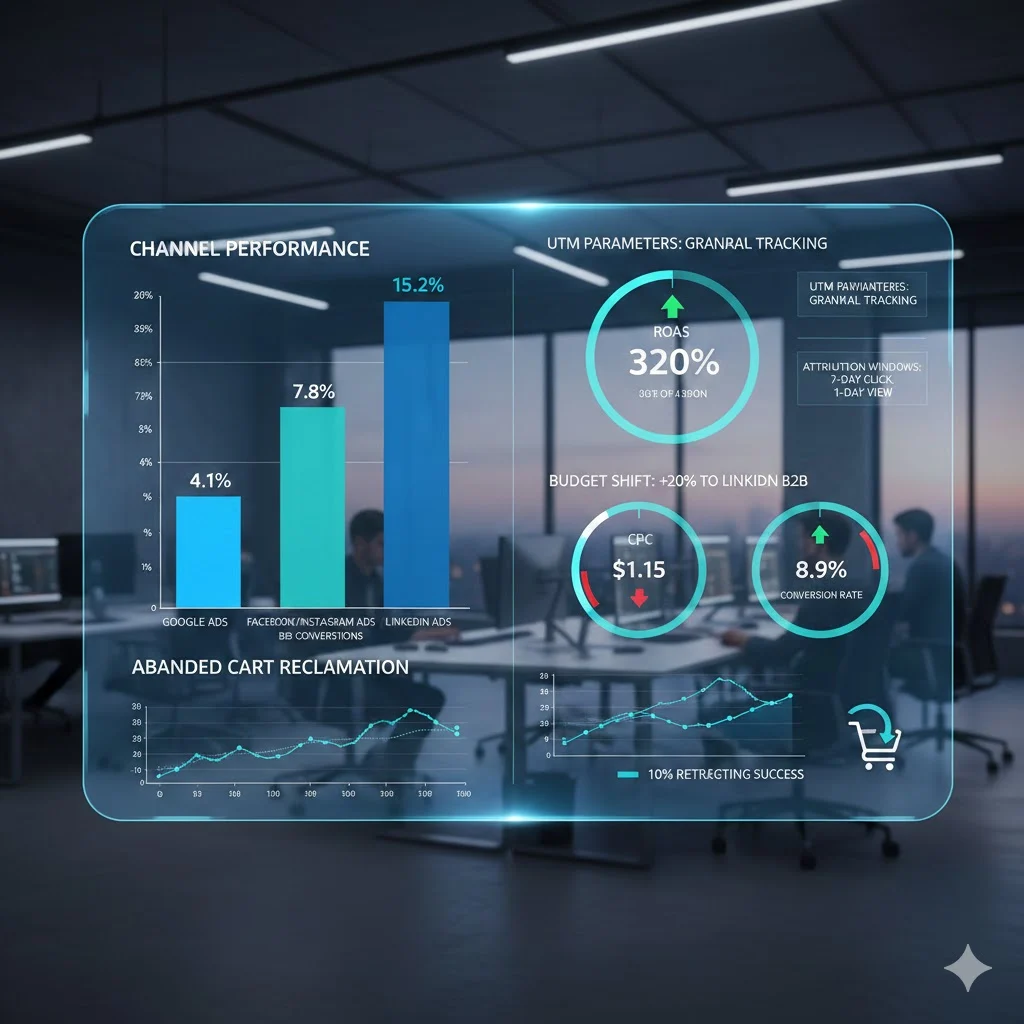
Paid channels like Google Ads and Facebook demand rigorous measurement of audience response across channels. Cost-per-click (CPC), conversion rates, and return on ad spend (ROAS) are staples.
Attribution windows—7-day click, 1-day view—capture delayed responses. A retargeting ad might reclaim 10% of abandoned carts. Advanced setups use UTM parameters for granular tracking.
Example: An e-commerce campaign measured LinkedIn responses higher for B2B, shifting budget accordingly. This precision maximizes efficiency.
Video and Streaming: Engagement Beyond Views
Video platforms like YouTube and TikTok require specialized metrics for audience response. Watch time, audience retention graphs, and completion rates trump raw views.
Short-form content often sees 70% retention in the first 10 seconds, per platform data. Cross-channel measurement links video responses to downstream actions, like site traffic spikes.
Brands analyze comments for qualitative insights. Time Intelligence Media Group integrates video analytics into broader services for comprehensive views.
Offline to Online: Bridging Traditional Channels
Traditional media like TV, print, and events feed into digital responses. QR codes and custom URLs track lift—measuring how a radio spot drives app downloads.
Unique promo codes quantify responses, with events yielding 5x higher immediate engagement. Unified platforms merge these with online data.
A hybrid campaign measured TV ad responses via search volume surges, optimizing future buys.
Tools and Technologies for Unified Measurement
Leverage suites like Google Analytics 4, Adobe Analytics, or Mixpanel for cross-channel tracking.
- GA4: Event-based, privacy-focused measurement.
- Amplitude: Behavioral cohorts across apps and web.
- Heap: Auto-capture every interaction.
Custom dashboards visualize responses. For details on foundational segmentation, see what are the four main types of audiences?.
Common Challenges in Cross-Channel Measurement
Data privacy laws complicate tracking, while cookie deprecation demands first-party solutions. Channel silos distort views, and last-click attribution overlooks multi-touch paths.
Overcome with consent management and server-side tracking. Regular audits ensure accuracy.
Advanced Strategies: Attribution and Predictive Analytics
Multi-touch attribution distributes credit fairly, while machine learning predicts responses from historical data.
Predictive models forecast churn based on declining engagement across channels. A/B testing refines tactics iteratively.
Case Study: Optimizing Multi-Channel Campaigns
A media client used integrated measurement to realign channels, boosting overall response by 35%. Social drove awareness, email nurtured, yielding higher conversions.
Measuring audience response across channels turns fragmented data into strategic advantage. Time Intelligence Media Group offers expert Audience Insights Services to implement these tactics effectively. Refine your approach for superior results. Discover how our insights improve campaign performance.
