

Travel industry influencers and critics shape public awareness by identifying destinations, attractions, restaurants, accommodation, and cultural experiences before they reach mainstream attention. Their discovery process follows structured research, local engagement, data analysis, and first-hand verification rather than random exploration. Understanding this process explains how emerging destinations gain visibility and how local tourism develops through authentic exposure.
What are breakthrough local spots in the travel industry?
Breakthrough local spots are destinations, businesses, attractions, or cultural experiences that transition from limited local recognition to broader public awareness through verified travel coverage, audience engagement, and consistent visitor interest across multiple digital and traditional media channels.
A breakthrough local spot gains recognition because it offers measurable value to visitors. The value often comes from cultural significance, distinctive experiences, environmental beauty, historical importance, or exceptional hospitality.
Examples include independent cafés, coastal walking routes, restored heritage buildings, local museums, artisan markets, wildlife reserves, and family-owned accommodation.
Travel influencers and critics identify these locations before widespread popularity develops. Early coverage often increases online searches, visitor numbers, and media interest.
A local spot differs from a tourist attraction. Tourist attractions already receive consistent visitor traffic. Local spots remain largely known within surrounding communities until wider exposure occurs.
How do travel influencers discover emerging destinations?
Travel influencers discover emerging destinations through destination research, local recommendations, digital mapping tools, tourism datasets, event calendars, social listening, and repeated field visits that verify authenticity before sharing experiences with audiences across multiple publishing platforms and formats.
Discovery begins before travelling.
Influencers examine publicly available information such as regional tourism reports, transport developments, cultural festivals, conservation projects, and local government initiatives.
Which research sources provide useful destination information?
Reliable discovery sources include:
- Regional tourism websites
- Public event calendars
- Heritage registers
- Nature reserve listings
- Local business directories
- Walking trail databases
- Museum collections
- Community organisations
These sources reveal locations receiving investment or hosting recurring cultural activities.
How does digital mapping support discovery?
Digital maps help identify:
- Scenic viewpoints
- Protected landscapes
- Historic districts
- Independent businesses
- Newly opened attractions
- Public transport accessibility
Satellite imagery also helps researchers understand surrounding environments before visiting.
Why do repeat visits matter?
Single visits rarely provide complete understanding.
Influencers revisit destinations during different seasons, weekdays, and events. This approach evaluates consistency in visitor experience, accessibility, and local activity throughout the year.
How do travel critics evaluate local experiences?
Travel critics evaluate destinations using structured assessment criteria including quality, authenticity, visitor experience, accessibility, cleanliness, historical accuracy, hospitality standards, environmental responsibility, and consistency across multiple independent observations rather than personal preference alone.
Travel criticism follows an evaluation framework.
Professional critics compare experiences against recognised tourism standards instead of focusing only on entertainment value.
What factors receive formal assessment?
Common evaluation areas include:
- Visitor accessibility
- Staff knowledge
- Cultural authenticity
- Food quality
- Environmental maintenance
- Safety
- Signage
- Value for money
- Historical interpretation
- Infrastructure
Each category contributes to an overall assessment.
Why does evidence matter?
Critics document observations through:
- Notes
- Photographs
- Recorded timings
- Public information
- Interviews
- Historical references
Evidence increases factual accuracy and improves reporting quality.
Which local communities contribute to destination discovery?
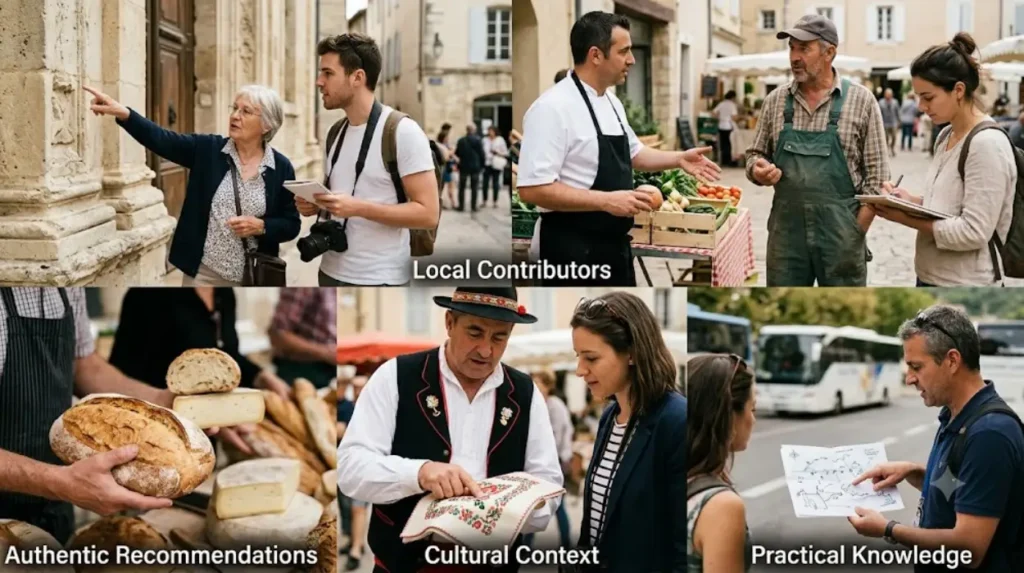
Local communities provide practical knowledge, cultural context, historical information, and authentic recommendations that improve destination understanding while helping influencers and critics identify experiences unavailable through conventional travel marketing or commercial tourism channels alone.
Residents understand local history, traditions, seasonal activities, and hidden locations.
Community knowledge frequently identifies experiences overlooked by travel guides.
Who provides useful local insight?
Important local contributors include:
- Historians
- Tour guides
- Restaurant owners
- Farmers
- Artists
- Conservation volunteers
- Museum curators
- Event organisers
- Market traders
Each contributor offers different perspectives.
Why is cultural context important?
Understanding local customs improves reporting accuracy.
For example, village festivals, regional food traditions, and historic ceremonies gain greater meaning when explained by local experts rather than observed without context.
Which digital signals help identify future travel trends?
Digital signals reveal changing visitor interest by analysing search behaviour, location sharing, review activity, photography trends, event participation, and public conversations across multiple online platforms supported by measurable engagement data and geographical consistency.
Travel discovery increasingly combines physical exploration with digital research.
Online activity often identifies destinations before visitor numbers increase significantly.
Which indicators receive attention?
Useful indicators include:
- Increasing search volume
- Rising review numbers
- New visitor photographs
- Event attendance
- Public transport expansion
- Accommodation growth
- Restaurant openings
- Heritage restoration projects
These signals often appear together.
How does seasonal data improve analysis?
Seasonal analysis separates temporary popularity from sustained tourism growth.
A coastal village attracting visitors during one festival differs from a destination experiencing year-round growth through improved infrastructure and diversified attractions.
Why does authenticity influence travel recommendations?
Authenticity reflects genuine local culture, original experiences, historical accuracy, community participation, and transparent visitor interactions that distinguish destinations from heavily commercialised attractions designed primarily for mass tourism rather than regional identity preservation.
Authentic experiences create educational value.
Visitors increasingly seek destinations that preserve traditional practices rather than reproducing them solely for commercial purposes.
What demonstrates authenticity?
Authentic characteristics include:
- Traditional architecture
- Regional cuisine
- Local ownership
- Cultural festivals
- Historic preservation
- Indigenous crafts
- Community participation
Examples include family-operated bakeries, centuries-old markets, and protected heritage villages.
How is authenticity verified?
Verification includes interviews, historical records, observation, and comparison with recognised heritage information.
Multiple evidence sources improve factual reporting.
How does responsible travel influence destination selection?
Responsible travel encourages influencers and critics to examine environmental protection, community benefit, cultural preservation, sustainable visitor management, and ethical tourism practices before recommending destinations to wider audiences across domestic and international travel markets.
Responsible tourism evaluates long-term sustainability.
Popularity without conservation often damages local environments and cultural heritage.
Which sustainability factors receive attention?
Assessment commonly includes:
- Waste management
- Wildlife protection
- Local employment
- Public transport
- Heritage conservation
- Visitor capacity
- Water management
- Renewable energy adoption
These factors indicate responsible destination management.
Why does visitor behaviour matter?
Responsible visitors respect local customs, support local businesses, minimise waste, and follow conservation rules.
Positive visitor behaviour strengthens sustainable tourism development.
How do breakthrough local spots become widely recognised?
Breakthrough local spots achieve broader recognition through consistent visitor satisfaction, verified media coverage, community engagement, digital visibility, cultural significance, and repeat recommendations that reinforce credibility across independent travel publications and online information sources.
Recognition develops gradually rather than instantly.
Several independent sources usually identify the same destination before significant tourism growth occurs.
Which stages describe destination recognition?
Typical progression includes:
- Local awareness
- Regional attention
- Travel coverage
- Increased visitor interest
- National recognition
- International visibility
Each stage depends on sustained visitor satisfaction.
How does consistent reporting improve credibility?
Repeated coverage from independent travel writers, destination experts, and critics strengthens confidence because similar observations appear across multiple publications over time.
Readers seeking a deeper understanding of strategic tourism communication can explore:
Leveraging Milestone Press Releases to learn how significant tourism developments gain broader industry attention.
Those comparing distribution methods and publication networks can later continue with:
Best Newswire Services for decision-stage guidance on media visibility.
What can travellers learn from the discovery methods used by influencers and critics?

Travellers benefit from professional discovery methods by researching destinations systematically, verifying information through multiple reliable sources, engaging with local communities, evaluating sustainability practices, and focusing on authentic experiences supported by factual evidence rather than popularity alone.
Professional travel research follows a structured process that anyone can apply.
Useful practices include comparing several information sources, reviewing transport options, understanding local history, checking seasonal conditions, and identifying community events before travelling.
Combining digital research with direct local knowledge produces more accurate expectations.
Explore More Expert Insights:
What Happens to a Hospitality Brand’s Reputation During a Public Relations or Service Crisis?
How Entertainment and Culture Journalists Filter Through Hundreds of Pitches Daily
Travellers also gain a better understanding of cultural heritage when they engage respectfully with residents, museums, conservation projects, and regional traditions.
As more destinations receive attention through verified reporting and consistent visitor experiences, breakthrough local spots continue to expand tourism while preserving the unique characteristics that distinguish them from established tourist attractions.



