

Sponsored content planning requires a meticulous approach to blend brand messaging with audience value, ensuring authenticity and impact. Effective strategies prioritize alignment between sponsor goals, content formats, and distribution channels, turning one-off placements into sustained engagement drivers.
In an era where 70% of consumers skip overt ads (per HubSpot data), best practices for sponsored content planning focus on native integration and measurable outcomes, fostering trust while achieving KPIs like lead generation or brand lift.
Core Principles of Sponsored Content Planning
At the heart of best practices for sponsored content planning lies a commitment to audience-centric design. This means starting with deep research into reader personas, content consumption habits, and pain points, ensuring sponsored pieces solve real problems rather than push sales. For instance, a SaaS company planning sponsored guides on productivity tools would tailor content to mid-level managers facing workflow bottlenecks, using storytelling to weave in product benefits organically.
Strategic alignment extends to timeline and budgeting. Planners map campaigns across quarterly themes, allocating 40% of budget to ideation, 30% to production, and 30% to optimization. This balanced framework prevents rushed executions, with data from prior campaigns informing refinements—such as favoring evergreen topics over fleeting trends for longevity.
Time Intelligence Media Group integrates these principles into their Sponsored Content Services, delivering frameworks that elevate planning from tactical to transformative.
Building a Robust Sponsored Content Strategy
Defining Objectives and KPIs
Clear objectives anchor best practices for sponsored content planning, with SMART goals like “increase qualified leads by 25% via 5 sponsored articles.” KPIs such as engagement rate (aim for 5%+), conversion tracking, and sentiment analysis provide benchmarks, allowing mid-campaign pivots if metrics lag.
Teams document these in a planning charter, outlining success metrics upfront. A nonprofit sponsoring awareness pieces might target share rates over clicks, using UTM parameters for attribution.
Audience Research and Persona Development
In-depth audience research forms the strategy’s foundation. Tools like surveys, heatmaps, and social listening uncover preferences—e.g., Gen Z favors interactive quizzes in sponsored content. Personas, detailed with demographics, behaviors, and motivations, guide tone and topics.
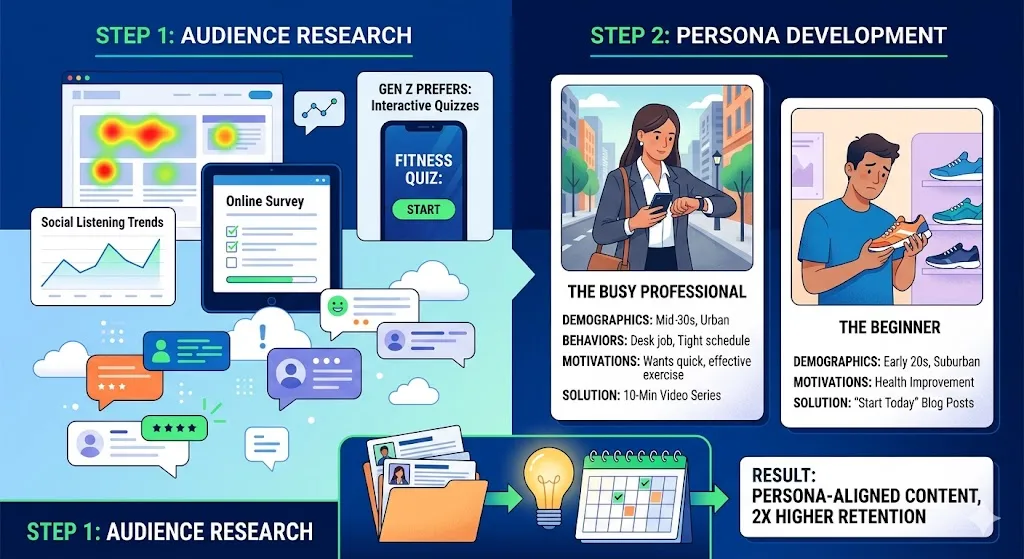
For a fitness brand, personas reveal busy professionals seeking 10-minute workouts, prompting sponsored video series over long-form blogs. This precision boosts relevance, with studies showing 2x higher retention for persona-aligned content.
Step-by-Step Sponsored Content Planning Framework
A repeatable framework streamlines best practices for sponsored content planning, ensuring consistency and scalability.
- Ideation Phase: Brainstorm 20+ concepts, scoring them on relevance, feasibility, and novelty using a 1-10 matrix.
- Content Mapping: Align ideas to the buyer’s journey—awareness pieces link to deeper assets like webinars.
- Partner Selection: Vet publishers by audience overlap and past performance, negotiating custom rates.
- Creation and Review: Collaborate with creators for authenticity, iterating through 3 drafts with legal/compliance checks.
- Launch and Amplify: Schedule via editorial calendars, cross-promoting on sponsor channels for 3x reach.
- Measure and Iterate: Post-30-day review with A/B insights, archiving winners for repurposing.
This process, applied by a travel sponsor, transformed vague ideas into a series yielding 150% ROI through targeted planning.
Content Creation Best Practices for Sponsors
High-quality creation distinguishes sponsored content planning. Emphasize value-first narratives, where educational insights precede subtle CTAs—e.g., a cybersecurity firm sponsors “Top 10 Data Breach Myths,” embedding tool demos naturally.
Visuals and formats matter: Infographics boost shares by 30%, per Venngage data. Writers adapt to platform strengths—concise for LinkedIn, visual for Instagram—while maintaining brand voice consistency.
Evergreen optimization involves SEO elements like keyword-rich headlines and internal links, extending lifespan. For deeper data tactics, explore How Data Guides Effective Sponsored Media Placement.
Selecting Platforms and Partners Effectively
Partner selection hinges on alignment and performance history. Evaluate sites via metrics like domain authority, audience demographics, and sponsored content case studies—prioritizing those with 80%+ viewability.
Negotiation best practices include performance-based pricing, such as bonuses for exceeding KPIs. A B2B tech sponsor partnered with niche podcasts, gaining 40% more qualified traffic than broad sites.
Diversify across owned, earned, and paid channels, blending native ads with influencer tie-ins for amplified reach.
Measurement and Optimization in Planning Cycles
Robust measurement closes the planning loop. Track beyond vanity metrics to multi-touch attribution, revealing true ROI—e.g., a sponsored ebook driving 15% of pipeline value.
Optimization involves quarterly audits: If mobile engagement dips, reformat for thumb-friendly designs. AI tools now automate sentiment tracking, flagging tone mismatches early.
Over-Promotion and Authenticity Gaps
Avoiding salesy tones preserves trust; best practices mandate 80/20 value-to-promo ratios. Audit drafts against editorial guidelines to mimic organic content.
Misaligned Timing and Budget Overruns
Poor timing—like launching holiday content in summer—wastes spend. Use planning software for calendar visualization, capping budgets at 20% contingency.
Future-Proofing Sponsored Content Planning
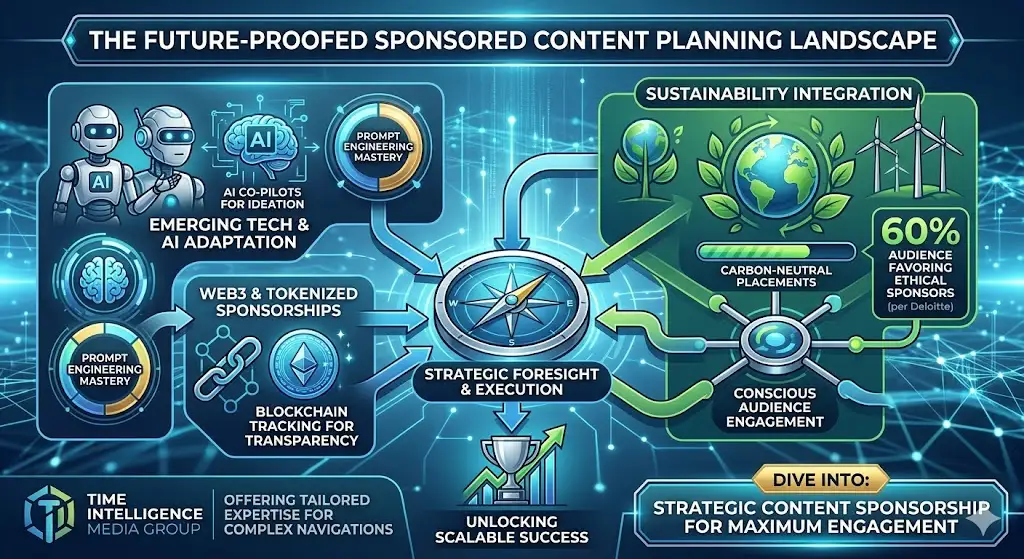
Emerging trends like AI co-pilots for ideation and Web3 for tokenized sponsorships demand adaptive planning. Prioritize skills in prompt engineering and blockchain tracking for forward edges.
Sustainability integration, such as carbon-neutral placements, appeals to conscious audiences, with 60% favoring ethical sponsors (per Deloitte).
Mastering best practices for sponsored content planning unlocks scalable success through strategic foresight and execution. Time Intelligence Media Group’s Sponsored Content Services offer tailored expertise to navigate these complexities. For high-stakes results, dive into Strategic Content Sponsorship for Maximum Engagement.
