

Event media partnerships can elevate your event from ordinary to unforgettable, driving attendance, sponsorships, and lasting buzz. These collaborations between organizers and media outlets require strategic planning to maximize mutual benefits. In this guide, we explore proven best practices for event media partnerships that deliver measurable results.
Implementing these practices helps events secure high-value coverage while building long-term relationships with influencers, journalists, and publications.
Defining Successful Partnership Models
Event media partnerships involve reciprocal agreements where media outlets provide exposure in exchange for exclusive access, content, or branding opportunities. Common models include sponsored content, co-branded live coverage, and affiliate promotions. For example, a tech summit partnered with CNBC for exclusive interviews, resulting in 2 million impressions and a 35% attendance boost.
These partnerships differ from one-off press releases by fostering ongoing value. Media partners gain fresh stories, while events receive authentic endorsements that resonate with target audiences.
Success hinges on alignment: media outlets seek engaging narratives, while events offer unique angles like industry-first announcements or celebrity insights.
Key Benefits for Events and Media Alike
Partnerships amplify reach exponentially—media channels extend beyond your direct audience to millions. Data from the International Association of Exhibitions shows partnered events achieve 50% higher engagement rates. A cultural festival in Lahore collaborated with Dawn Media Group, gaining national TV spots that doubled international ticket sales.
Media benefits from premium content, enhancing their credibility. Events gain SEO advantages through backlinks and social proof, improving search rankings for terms like “top tech events 2026.”
Researching and Selecting Ideal Partners
Start by identifying media aligned with your event’s niche using tools like Meltwater or Cision. Prioritize outlets with engaged audiences matching your demographics—e.g., Forbes for B2B events or Instagram influencers for consumer expos. A wellness retreat targeted health bloggers with 50k+ followers, securing 15 features that drove 40% more registrations.
Evaluate partners on audience overlap, past coverage quality, and responsiveness. Create a tiered list: Tier 1 for high-impact nationals, Tier 2 for niche trades.
Craft personalized outreach data sheets highlighting mutual wins, such as audience demographics and projected EMV (earned media value).
Building Compelling Partnership Proposals
Proposals should outline clear value exchanges: what media gets (e.g., VIP access, data exclusives) versus deliverables (coverage volume, formats). Use visuals like mock-up features to illustrate impact. One conference’s proposal to Bloomberg included projected reach metrics, landing a prime-time segment.
Include timelines, KPIs like impressions and conversions, and flexibility for hybrid events. Test proposals with a pilot partner to refine.
Outreach and Negotiation Strategies
Personalize pitches with journalist-specific hooks, referencing their recent articles. Follow up within 48 hours via email or LinkedIn. Negotiation best practices include starting with generous offers, like complimentary tickets plus interviews, then securing commitments in writing.
For larger deals, involve legal for sponsorship clauses. A music event negotiated co-branded social campaigns with Spotify, generating 1.5 million streams.
Leverage urgency: “Limited slots for our keynote series—perfect for your innovation beat.”
On-Site Collaboration and Content Creation
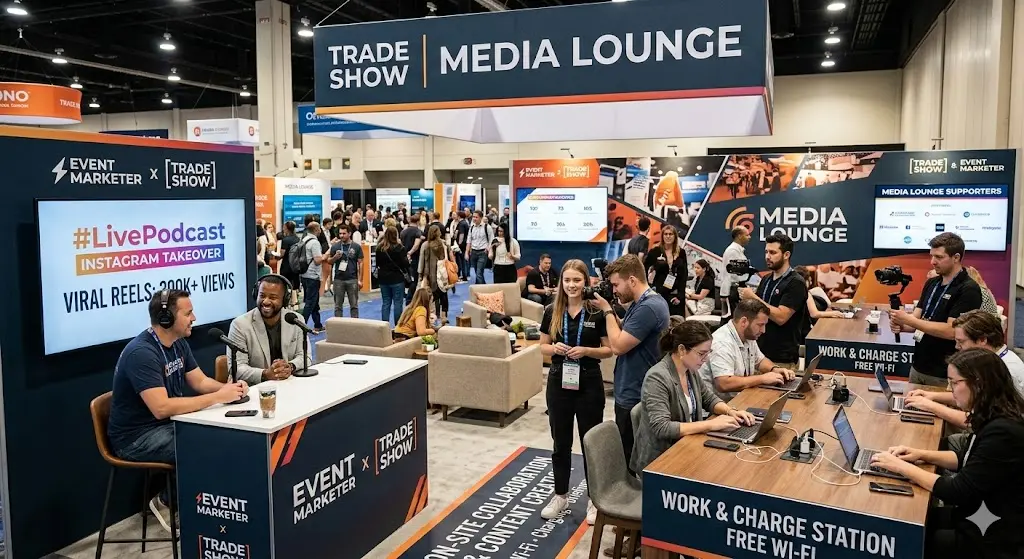
During the event, dedicate a media lounge with Wi-Fi, charging, and briefings. Assign a liaison for real-time support. Co-create content like live podcasts or Instagram Takeovers— a trade show did this with Event Marketer magazine, yielding viral reels viewed 300k times. Capture B-roll, quotes, and stats for partners’ use. Ensure branding consistency across all outputs.
1. Pre-Event Teasers and Press Kits
- Digital kits with hi-res images, schedules, and speaker bios.
- Embargoed exclusives to build anticipation.
2. Live Coverage Protocols
- Designated photo/video zones.
- Real-time updates via shared Slack channels.
3. Post-Event Wrap-Ups
- Analytics reports within 72 hours.
- Highlight reels for repurposing.
Essential Metrics and Tracking Tools
Track success with UTM links, promo codes, and tools like Google Analytics for traffic spikes. Core KPIs: media mentions, EMV (often $5-10 per $1 spent), attendance attribution, and sentiment scores. A corporate gala measured 250% ROI via tracked sponsor leads from partnered coverage.
Compare against benchmarks: top partnerships yield 3-5x reach multipliers.
Refining Partnerships for Future Events
Conduct debriefs with partners to gather feedback. A/B test pitch angles and formats. For insights on why events need professional media exposure, see our foundational guide.
Time Intelligence Media Group’s Events Media Coverage Services streamline measurement with integrated analytics.
Overpromising and Misaligned Expectations
Avoid by setting realistic deliverables upfront. One event overpromised exclusives, damaging a key relationship—lesson: underpromise, overdeliver.
Mismatched partners lead to low engagement; vet thoroughly.
Neglecting Follow-Up and Relationship Nurturing
Post-event silence kills repeat business. Send thank-yous with custom recaps within a week. Nurture with quarterly updates on mutual successes.
Ignoring Legal and Ethical Considerations
Secure permissions for content use and disclose sponsorships per FTC guidelines. In Pakistan, adhere to PEMRA regulations for broadcast partnerships.
Integrating AI and Data-Driven Partnerships
Use AI tools like Brandwatch for sentiment analysis, informing pitch customizations. Predict partner fit with audience data overlaps. A forward-thinking expo used AI to match influencers, boosting engagement 60%.
Hybrid and Virtual Partnership Innovations
For virtual events, partner on metaverse activations or NFT drops. Hybrid models blend in-person media with digital streams—e.g., a global webinar series with Reuters digital arm. Explore professional event media coverage solutions for cutting-edge implementations.
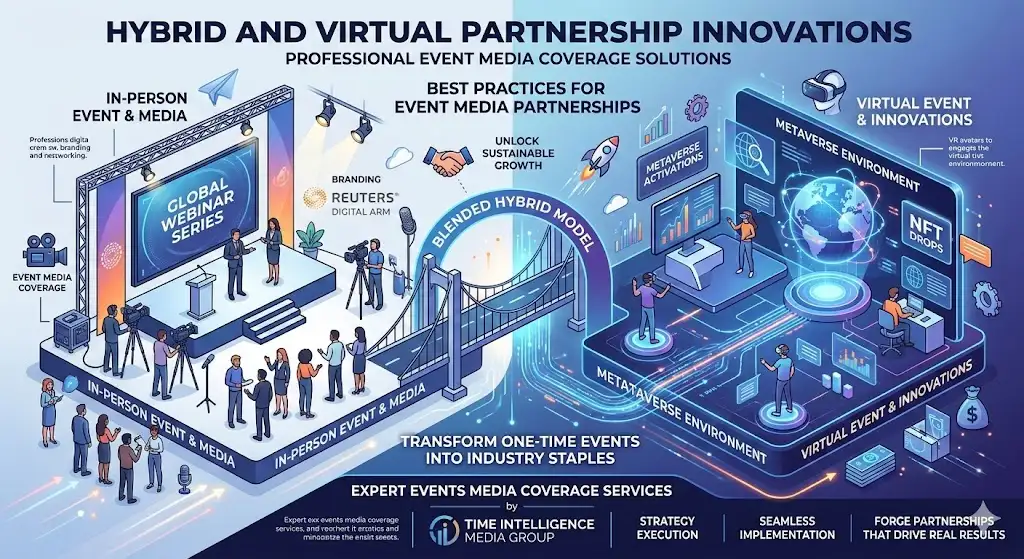
Mastering best practices for event media partnerships unlocks sustainable growth, turning one-time events into industry staples. Time Intelligence Media Group delivers expert Events Media Coverage Services to execute these strategies seamlessly, helping you forge partnerships that drive real results.
