In the rapidly evolving digital ecosystem, understanding audience behavior is no longer optional—it is the backbone of any successful media strategy. South London, a culturally rich and demographically diverse region within London, offers a unique case study for analyzing modern media consumption patterns. The intersection of age diversity, economic variation, and digital accessibility creates a complex but highly valuable dataset for media organizations, advertisers, and content creators.
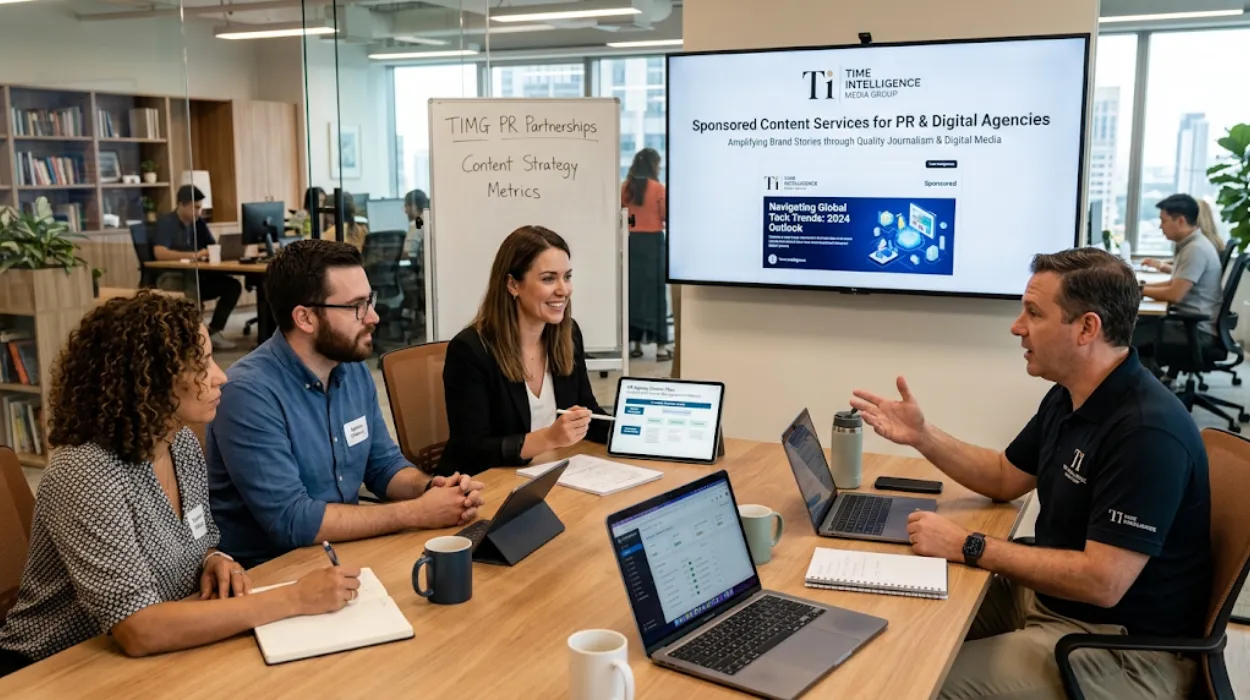
This article explores emerging audience insights through a quantitative lens, focusing specifically on South London residents. It integrates key service frameworks such as Audience Insights Services, Research & Reports Services, and Sponsored Content Services offered by Time Intelligence Media Group. These services provide the structural backbone for interpreting audience data and translating it into actionable strategies.
The Changing Media Landscape in South London
South London has experienced a significant transformation in media consumption habits over the past decade. Traditional media channels such as print newspapers and terrestrial television have gradually lost dominance, giving way to digital platforms, streaming services, and mobile-first content consumption.
The quantitative data reveals that smartphone penetration in South London exceeds 90%, making mobile devices the primary gateway to information. This shift has led to an increase in short-form content consumption, social media engagement, and on-demand streaming.
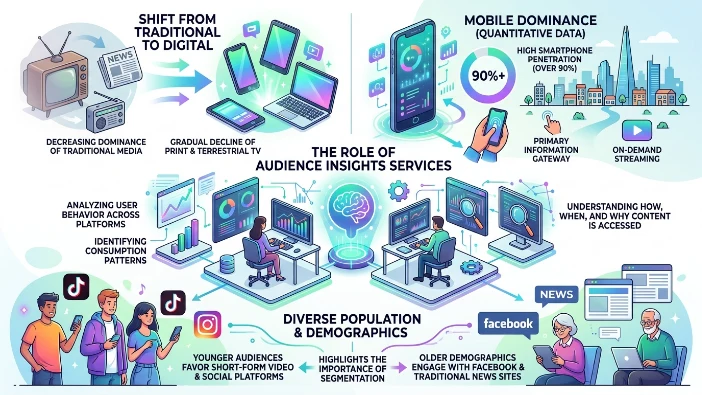
Audience Insights Services play a crucial role in identifying these patterns. By analyzing user behavior across platforms, these services help media organizations understand not only what content is consumed but also how, when, and why it is accessed.
The diversity of South London’s population further amplifies the complexity of media preferences. Younger audiences tend to favor platforms like TikTok and Instagram, while older demographics still engage with Facebook and traditional news websites. This generational divide highlights the importance of segmentation in audience analysis.
Quantitative Framework for Audience Analysis
A robust quantitative approach is essential for extracting meaningful insights from large datasets. Research & Reports Services provide structured methodologies for collecting, analysing, and interpreting data related to media consumption.
Key metrics used in this analysis include engagement rates, session duration, click-through rates, and content sharing frequency. These metrics offer a comprehensive view of audience behavior, enabling organizations to identify trends and predict future patterns.
In South London, data indicates a strong preference for localized content. Residents are more likely to engage with news and media that directly impacts their communities. This trend underscores the importance of hyper-local reporting and targeted content strategies.
Another critical finding is the rise of multi-platform consumption. Users often switch between devices and platforms throughout the day, consuming content in fragmented sessions. This behavior necessitates a seamless and consistent content experience across all channels.
Demographic Segmentation and Media Preferences
Understanding demographic segmentation is key to decoding audience behavior. South London’s population can be broadly categorized into several segments based on age, income, education, and cultural background.
Young professionals, typically aged between 25 and 40, represent a highly active digital audience. They consume news through mobile apps, podcasts, and social media platforms. Their preferences lean towards concise, visually engaging, and easily shareable content.
Students and younger audiences, on the other hand, prioritize entertainment and interactive content. Video-based platforms dominate their media consumption, with a strong inclination towards user-generated content.
Older residents exhibit a more balanced media consumption pattern. While they have adopted digital platforms, they still maintain a connection with traditional media sources. This hybrid behavior presents both challenges and opportunities for media organizations.
Audience Insights Services enable the identification of these segments and their respective preferences. By leveraging data analytics, organizations can tailor their content strategies to meet the specific needs of each demographic group.
Content Preferences and Engagement Patterns
Content preferences in South London are shaped by a combination of cultural diversity, socio-economic factors, and technological accessibility. Quantitative data reveals several key trends in content consumption.
News related to local governance, community events, and public services garners high engagement. Residents show a strong interest in content that directly affects their daily lives. This includes updates on transportation, housing, and public safety.
Entertainment content, particularly video-based formats, also enjoys significant popularity. Streaming platforms and social media channels serve as primary sources of entertainment, with users spending an average of several hours per day on these platforms.
Sponsored Content Services play a vital role in integrating branded messages within this content ecosystem. By aligning promotional content with audience interests, these services ensure higher engagement and better conversion rates.
Another notable trend is the growing importance of authenticity. Audiences are increasingly drawn to content that feels genuine and relatable. This has led to a rise in influencer marketing and user-generated content, both of which resonate strongly with South London residents.
The Role of Data in Media Strategy
Data-driven decision-making is at the core of modern media strategies. Research & Reports Services provide the analytical foundation for understanding audience behavior and optimizing content delivery.
In South London, data analysis has revealed peak engagement times, preferred content formats, and platform-specific behaviors. For instance, mobile usage peaks during commuting hours, while desktop usage is more common during working hours.
These insights enable media organizations to schedule content strategically, ensuring maximum visibility and engagement. They also inform the development of personalized content recommendations, enhancing the overall user experience.
Audience Insights Services further enhance this process by providing real-time data and predictive analytics. This allows organizations to adapt quickly to changing trends and maintain a competitive edge in the market.
The Impact of Digital Platforms
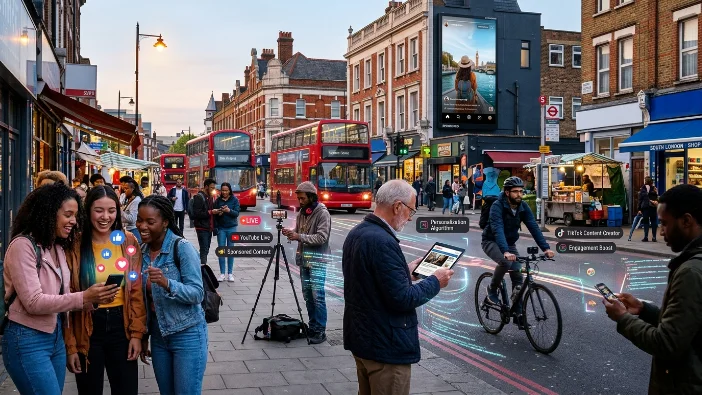
Digital platforms have fundamentally reshaped the media landscape in South London. Social media, streaming services, and online news portals have become the primary sources of information and entertainment.
Platforms such as YouTube, Instagram, and TikTok dominate the digital space, offering a wide range of content tailored to different audience segments. These platforms leverage algorithms to deliver personalized content, increasing user engagement and retention.
Sponsored Content Services are particularly effective in this environment. By integrating promotional messages within organic content, these services create a seamless user experience that enhances brand visibility without disrupting engagement.
The rise of digital platforms has also led to increased competition among content creators. This has driven innovation and creativity, resulting in a more dynamic and diverse media ecosystem.
Challenges in Audience Analysis
Despite the availability of advanced analytical tools, audience analysis presents several challenges. Data privacy concerns, for instance, limit the extent to which user data can be collected and analyzed.
In South London, regulatory frameworks and user awareness have led to stricter data protection measures. This necessitates the use of ethical and transparent data collection practices.
Another challenge is the fragmentation of media consumption. With users accessing content across multiple platforms and devices, it becomes difficult to create a unified view of audience behavior.
Research & Reports Services address these challenges by employing sophisticated data integration techniques. These methods combine data from various sources to provide a comprehensive understanding of audience preferences.
Opportunities for Media Organizations
The insights derived from quantitative analysis present numerous opportunities for media organizations. By understanding audience preferences, organizations can develop targeted content strategies that maximize engagement and revenue.
Audience Insights Services enable the identification of emerging trends, allowing organizations to stay ahead of the curve. This proactive approach is essential in a rapidly changing media landscape.
Sponsored Content Services offer additional revenue streams by connecting brands with relevant audiences. By aligning promotional content with user interests, these services enhance both engagement and profitability.
Furthermore, the emphasis on localized content provides an opportunity to build stronger community connections. By addressing the specific needs and interests of South London residents, media organizations can establish themselves as trusted sources of information.
Future Trends in Media Consumption
Looking ahead, several trends are expected to shape the future of media consumption in South London. The continued growth of digital platforms, advancements in artificial intelligence, and increasing demand for personalized content will drive innovation in the industry.
Audience Insights Services will play a critical role in navigating these changes. By providing real-time data and predictive analytics, these services will enable organizations to adapt quickly and effectively.
Research & Reports Services will continue to evolve, incorporating new methodologies and technologies to enhance data accuracy and reliability. This will further strengthen the foundation for data-driven decision-making.
Sponsored Content Services will also become more sophisticated, leveraging advanced targeting techniques to deliver highly relevant and engaging promotional content.
The quantitative analysis of media preferences in South London reveals a dynamic and evolving landscape. The integration of Audience Insights Services, Research & Reports Services, and Sponsored Content Services provides a comprehensive framework for understanding and leveraging audience behavior.
As media consumption continues to shift towards digital platforms, the importance of data-driven strategies cannot be overstated. By harnessing the power of analytics, media organizations can create meaningful connections with their audiences and achieve sustainable growth.
For organizations looking to capitalize on these insights, partnering with experts like Time Intelligence Media Group offers a strategic advantage. Their comprehensive suite of services ensures that data is not only collected but also transformed into actionable intelligence.