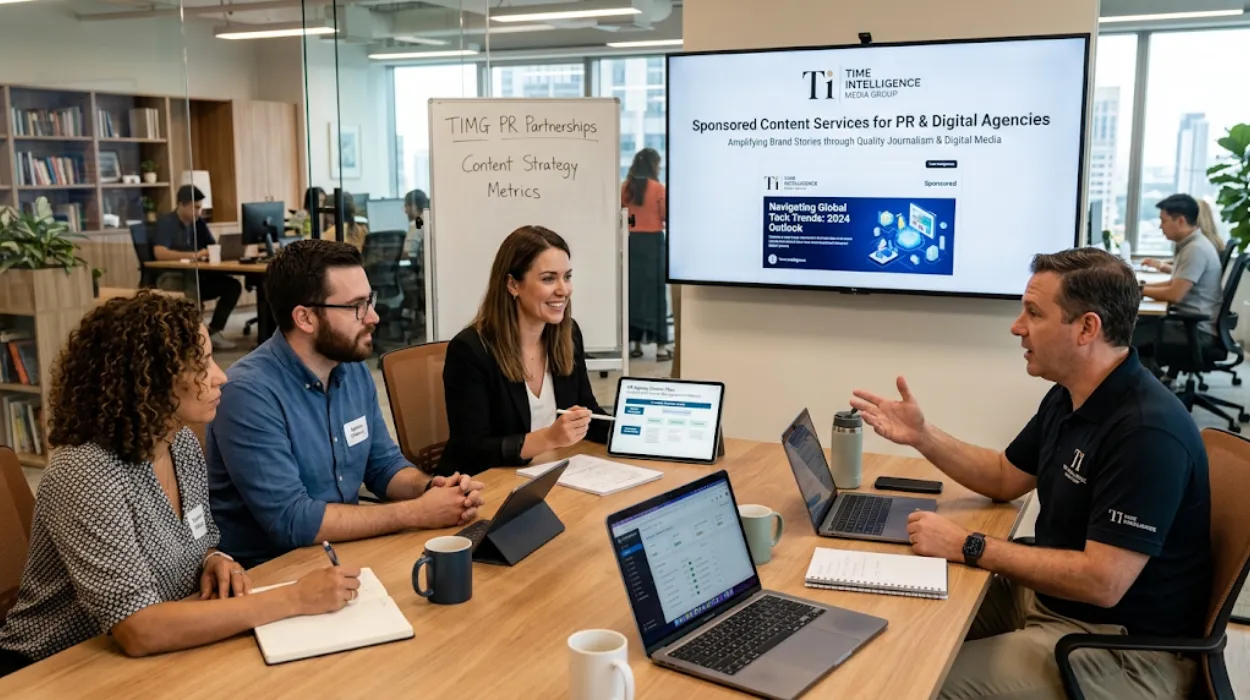
In today’s crowded digital landscape, brands struggle to cut through the noise and reach audiences that truly matter. Insights that connect brands with real audiences go beyond surface-level data, diving into behavioral patterns, preferences, and motivations. Audience Insights Services from Time Intelligence Media Group exemplifies this approach by analyzing reader behavior to improve engagement and drive meaningful interactions.
These insights empower marketers to craft strategies rooted in reality rather than assumptions. By leveraging advanced analytics, brands can identify what resonates, fostering loyalty and conversions. This TOFU-level exploration sets the foundation for deeper funnel progression, highlighting why understanding your audience is the cornerstone of effective media campaigns.
The Power of Audience Insights in Modern Branding
Audience insights reveal the human element behind data points, transforming abstract numbers into actionable stories. Brands that harness these insights create content that speaks directly to pain points and aspirations, boosting relevance and retention.
Why Traditional Marketing Falls Short
Traditional marketing often relies on broad demographics like age or location, which overlook nuanced behaviors. For instance, a fitness brand targeting “millennials” might assume universal interest in gym workouts, ignoring that 40% prefer home-based yoga routines based on recent engagement metrics. This mismatch leads to wasted ad spend and low conversion rates.
Audience Insights Services address this by segmenting audiences through psychographics and real-time interactions. Time Intelligence Media Group uses proprietary tools to track scroll patterns, dwell time, and click-throughs, providing clarity on what truly engages users. In one case study, a retail client shifted from generic emails to personalized recommendations, increasing open rates by 35%.
Emerging Trends Shaping Audience Analysis
Current trends like zero-party data collection—where users voluntarily share preferences—amplify the value of insights. With privacy regulations tightening, brands turning to first-party data see 2.5x higher ROI, according to industry benchmarks. AI-driven sentiment analysis further refines this, predicting shifts in consumer behavior before they trend.
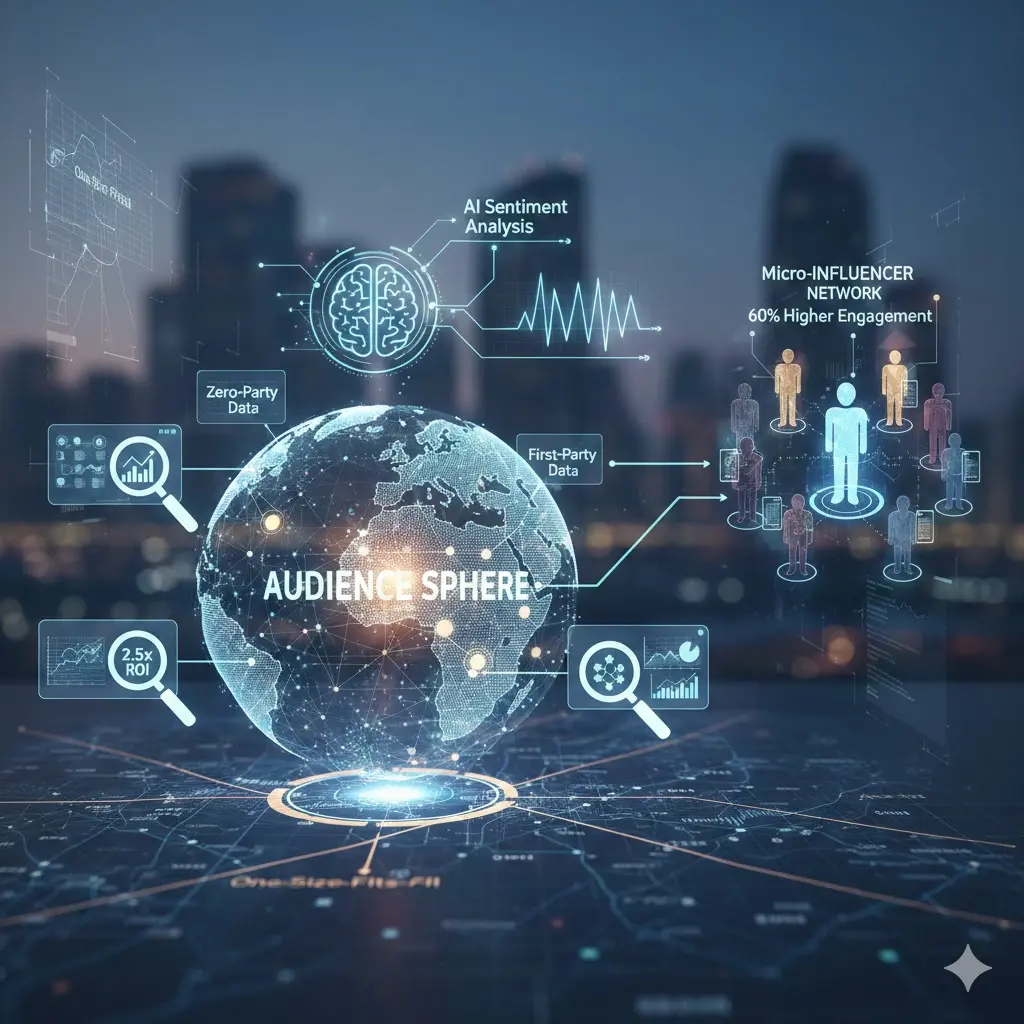
Consider the rise of micro-influencer marketing: insights show niche creators drive 60% higher engagement than mega-influencers for lifestyle brands. By mapping these patterns, companies avoid one-size-fits-all strategies, ensuring every campaign aligns with authentic audience interests.
Bridging Data Gaps for Authentic Connections
Effective audience insights bridge the gap between what brands think they know and what audiences actually want. This connection fosters trust, turning casual viewers into loyal advocates through hyper-relevant messaging.
Decoding Consumer Behavior Patterns
Consumer behavior insights uncover hidden triggers, such as how 70% of users abandon carts due to irrelevant product suggestions. Audience Insights Services dissect these patterns using heatmaps and cohort analysis, revealing why certain demographics respond to emotional storytelling over hard sells.
A tech brand, for example, discovered through behavioral tracking that their audience favored video demos over static images, leading to a 28% uplift in time-on-site. Time Intelligence Media Group facilitated this by integrating cross-platform data, ensuring insights reflect holistic user journeys rather than siloed metrics.
Personalization at Scale: Real-World Applications
Personalization powered by insights scales effortlessly when grounded in quality data. Brands using dynamic content adjustment—tailoring headlines based on past interactions—report 20% higher click-through rates. Here’s how it works in practice:
- E-commerce: Segment users by purchase history to recommend complementary items, reducing bounce rates.
- B2B Media: Customize newsletters with industry-specific insights, improving lead nurturing.
- Social Campaigns: A/B test creatives against audience psychographics for optimal virality.
These applications demonstrate how insights that connect brands with real audiences minimize guesswork, maximizing impact across channels.
Strategies to Leverage Insights for Engagement
Turning insights into strategies requires a structured approach. Brands succeed by integrating data into every stage of content creation, from ideation to optimization, ensuring sustained audience resonance.
Building Data-Driven Content Calendars
A robust content calendar fueled by audience insights prioritizes topics with proven demand. Start by analyzing search queries and social listening data to identify gaps— for example, if insights show rising interest in sustainable practices among Gen Z, allocate 40% of your calendar to eco-focused posts.
Time Intelligence Media Group’s Audience Insights Services excel here, delivering reports that forecast trends with 85% accuracy. One media client revamped their calendar based on these findings, achieving a 42% increase in organic traffic within three months. This method ensures content aligns with real-time audience needs, not fleeting hunches.
Measuring Success with Key Metrics
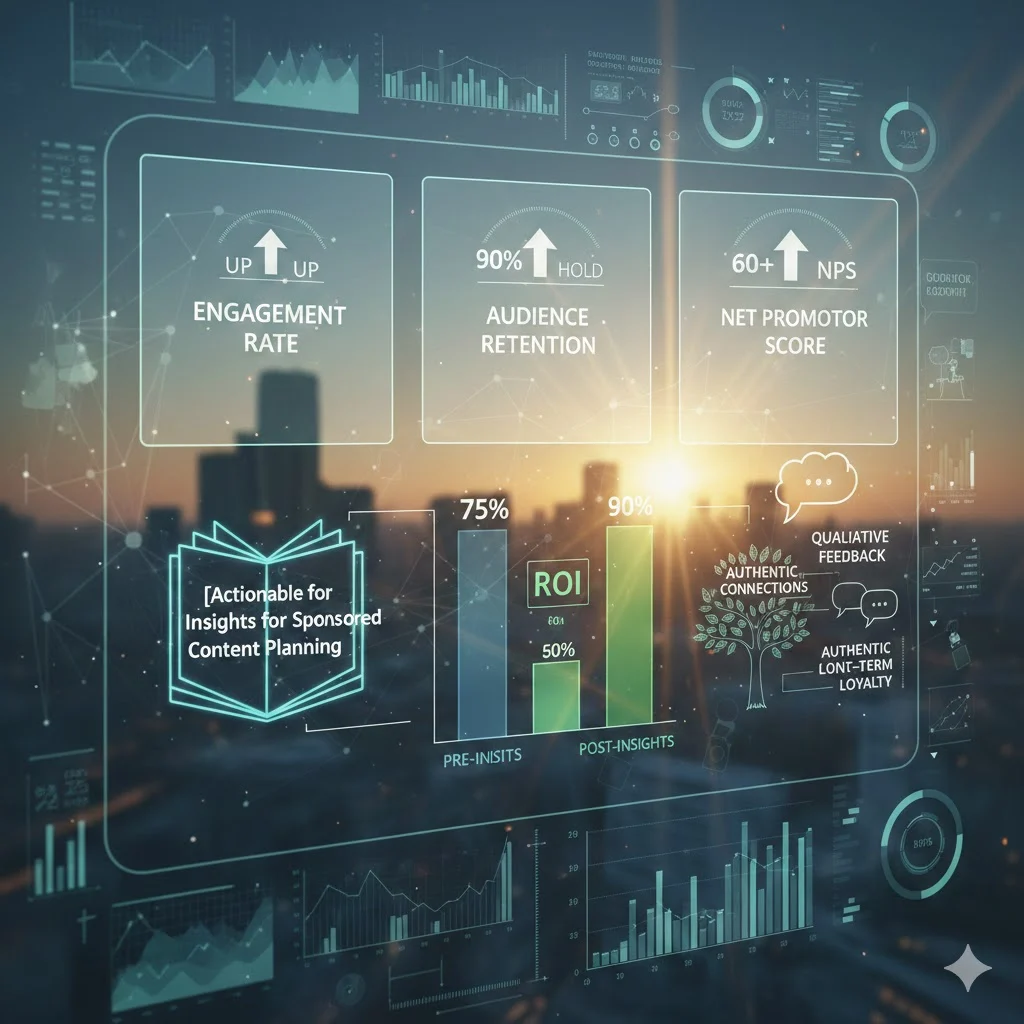
Success hinges on tracking the right metrics: engagement rate, audience retention, and net promoter scores provide a full picture. Compare these pre- and post-insight implementation to quantify ROI.
For deeper dives into refining sponsored campaigns with these metrics, explore our guide on Actionable Insights for Sponsored Content Planning. Brands focusing on qualitative feedback alongside quantitative data often see compounded gains, as authentic connections build long-term loyalty.
Overcoming Common Challenges in Audience Targeting
Many brands face hurdles like data silos or analysis paralysis, but targeted strategies rooted in insights mitigate these issues effectively.
Navigating Data Overload and Privacy Concerns
Data overload overwhelms teams without clear prioritization—focus on high-impact segments like top 20% engagers first. Privacy tools like consent management platforms ensure compliance while capturing valuable zero-party data.
In a scenario involving a healthcare brand, insights revealed 55% of users sought doctor-reviewed content, prompting a pivot that complied with GDPR and boosted trust scores by 30%. Structured entity-based analysis, such as categorizing behaviors by intent (informational vs. transactional), simplifies this process.
Scaling Insights Across Teams
Cross-functional scaling requires democratized access: use dashboards for real-time sharing. Challenges arise when sales and marketing misalign, but unified insights platforms resolve this, as seen in a campaign where aligned teams increased qualified leads by 50%.
For decision-makers evaluating enterprise-level solutions, our overview of Trusted Insights Services for Institutional Communication details proven frameworks for seamless integration.
Future-Proofing Brands with Predictive Insights
Predictive audience insights anticipate shifts, keeping brands ahead of curves like AI personalization or voice search dominance.
The Role of AI in Evolving Insights
AI enhances insights by processing vast datasets for patterns humans miss, such as subtle sentiment shifts in comments. Predictive modeling forecasts churn risk with 90% accuracy, allowing proactive retention.
A consumer goods brand used AI insights to predict seasonal preferences, launching preemptive products that captured 25% market share. Time Intelligence Media Group integrates these technologies into their services, ensuring clients stay agile.
Case Study: Transforming a Media Campaign
A national publisher partnered with experts for audience analysis, uncovering that 65% of subscribers preferred long-form audio content. Repurposing blogs into podcasts spiked subscriptions by 38%. This case underscores how granular insights drive pivots with outsized returns, applicable across industries.