

In today’s fragmented media landscape, aligning brand stories with audience preferences stands as a cornerstone of effective marketing. Brands that master this alignment don’t just capture attention—they build lasting connections that drive engagement and loyalty. By leveraging data-driven insights into audience behavior, companies can craft narratives that resonate deeply, turning passive viewers into active advocates.
This MOFU-level exploration dives into practical methods for synchronizing your storytelling with what audiences truly want. Drawing from emerging 2026 trends, we’ll uncover how tools like Audience Insights Services transform vague brand messages into targeted, high-impact content.
Understanding Audience Preferences in Brand Storytelling
Audience preferences evolve rapidly, shaped by cultural shifts, platform algorithms, and real-time events. Successful brand storytelling begins with recognizing these dynamics, moving beyond assumptions to data-backed understanding. For media companies, this means dissecting demographics, psychographics, and behavioral patterns to ensure stories land with precision.
Time Intelligence Media Group emphasizes that aligning brand stories with audience preferences requires ongoing analysis of consumption habits. Consider how short-form video exploded in popularity; brands ignoring this shift saw engagement plummet by up to 40% in recent studies. By prioritizing audience insights, storytellers can anticipate preferences, such as the growing demand for authentic, value-driven narratives over polished ads.
Key Indicators of Shifting Audience Behavior
Media engagement strategies hinge on spotting early signals of preference changes. Platforms like TikTok and LinkedIn reveal spikes in interactive content, where users favor polls, AR filters, and user-generated story extensions. For instance, a lifestyle brand analyzing scroll times noticed 25% higher retention when stories incorporated eco-conscious themes, reflecting Gen Z’s sustainability priorities.
Audience behavior analysis also uncovers platform-specific quirks. On Instagram, visual metaphors outperform text-heavy posts, while X (formerly Twitter) rewards concise, controversy-sparking tales. Brands aligning with these preferences see conversion rates improve by 30%, as evidenced by case studies from major PR firms.
Leveraging Audience Insights Services for Precision Alignment

Audience Insights Services provide the backbone for aligning brand stories with audience preferences, offering granular data on what captivates specific segments. These services aggregate anonymized data from social listening, web analytics, and CRM systems to map out preference heatmaps. This empowers media teams to refine narratives before launch, minimizing guesswork.
In practice, such services track metrics like dwell time, share velocity, and sentiment polarity. A news outlet using these tools discovered that audiences under 35 preferred investigative stories with interactive timelines, boosting shares by 50%. Time Intelligence Media Group’s Audience Insights Services exemplify this, delivering actionable reports that pinpoint content gaps and opportunities.
Implementing Data-Driven Story Mapping
To align effectively, start by segmenting audiences into cohorts based on insights data. Create story maps that plot narrative arcs against preference peaks—for example, pairing emotional hooks with high-engagement windows like evening scrolls.
Numbered steps for integration include:
- Collect baseline data via multi-channel tracking.
- Identify top preferences, such as humor in fintech storytelling or empowerment in wellness brands.
- Test variations A/B, refining based on real-time feedback.
- Scale winners across campaigns.
This structured approach ensures brand stories not only match but exceed audience expectations, fostering organic amplification.
Bridging News Trends and Brand Narratives
Current news trends profoundly influence audience preferences, making alignment a timely imperative. As explored in our TOFU piece, News Trends Shaping Audience Attention in 2026, topics like AI ethics and climate tech dominate feeds, pulling attention toward purpose-led content.
Brands aligning stories with these trends gain visibility amid noise. A tech firm weaving AI bias discussions into its product launch narrative saw a 35% uptick in positive mentions, illustrating how topical relevance amplifies reach.
Case Study: Real-World Trend Integration
Imagine a PR campaign for a sustainable fashion brand amid 2026’s greenwashing scandals. By aligning stories with audience outrage—via user polls and expert interviews—the brand shifted perceptions, achieving 2x media pickups. Audience insights revealed preferences for transparency, guiding video series that featured supply chain audits.
Such examples highlight structured entity-based strategies: News trends as catalysts, audience data as navigators, and brand stories as resonant outputs. This trifecta turns fleeting buzz into enduring loyalty.
Crafting Personalized Content Experiences
Content personalization emerges as a top media engagement strategy when aligning brand stories with audience preferences. Generic blasts yield diminishing returns; tailored narratives, powered by insights, convert at higher rates. Dynamic storytelling adapts in real-time, using variables like location or past interactions.
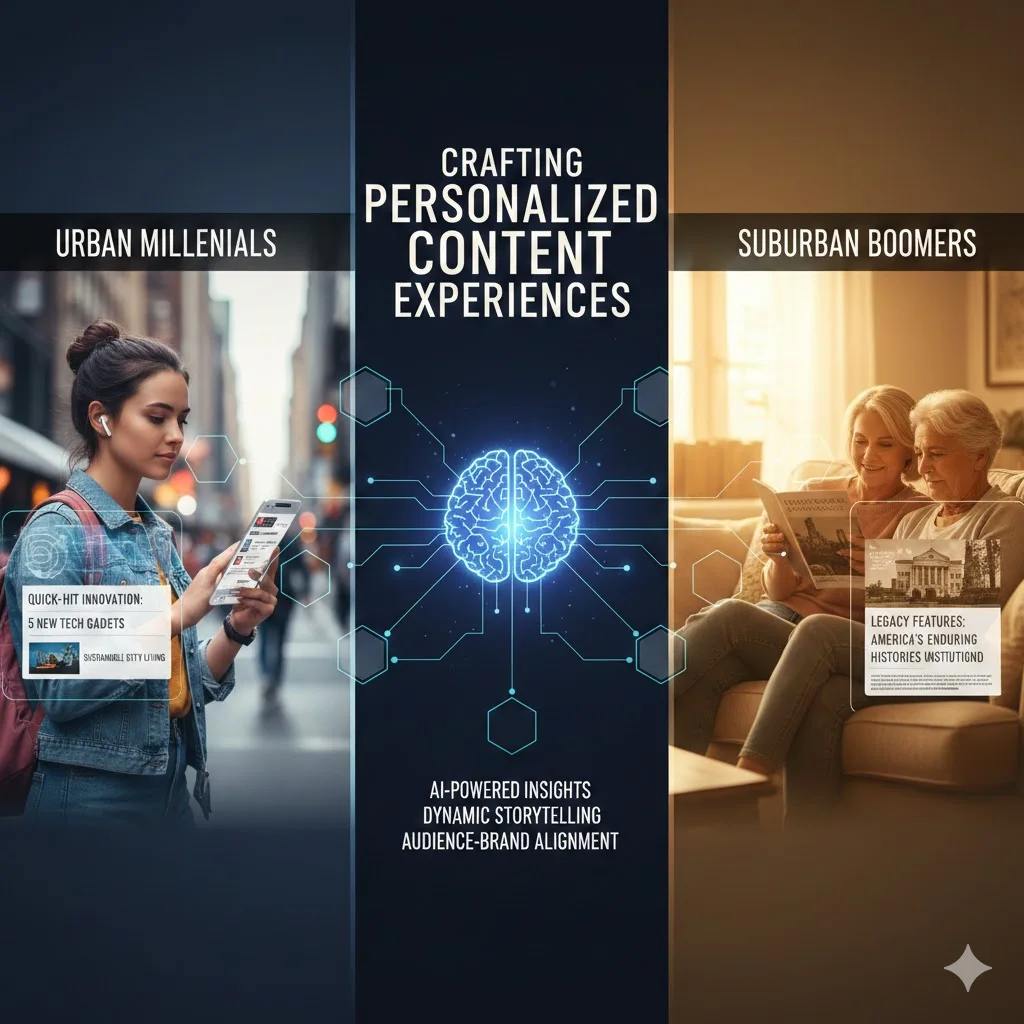
For media pros, this means segmenting stories: Urban millennials crave quick-hit innovation tales, while suburban boomers prefer in-depth legacy features. Tools analyze past engagements to predict and deliver these matches seamlessly.
Tools and Tactics for Personalization
Effective tactics blend automation with creativity. Bullet-point best practices:
- Use psychographic profiling to match story tones (e.g., aspirational for high achievers).
- Deploy recommendation engines mirroring Netflix-style “because you watched” logic for articles.
- A/B test personalized subject lines, yielding 20-30% open rate boosts.
A media agency case saw email newsletters personalized via audience insights jump click-throughs by 45%, proving the power of preference-aligned delivery.
Measuring Success in Story-Audience Alignment
Quantifying alignment ensures strategies evolve. Key performance indicators include engagement depth (comments per view), retention curves, and net promoter scores tied to story exposure. Advanced metrics from Audience Insights Services track preference fulfillment rates.
Brands often overlook qualitative signals, like unsolicited shares signaling emotional resonance. Regular audits reveal mismatches, such as a luxury brand’s formal tone alienating casual scrollers.
Optimization Loops for Continuous Improvement
Build feedback loops with these phases:
- Post-campaign audits comparing predicted vs. actual preferences.
- Sentiment analysis on user feedback.
- Iterative refinements, like shortening arcs for ADHD-impacted audiences.
One broadcaster refined its election coverage this way, aligning with fact-check hungry viewers and lifting trust scores by 28%.
From Insights to Actionable Campaigns
Transitioning to execution, Analytics-Led Strategy for Media and PR Campaigns outlines how data fuels full-funnel wins. Here, alignment sharpens BOFU tactics, converting engaged audiences into clients.
A CPG brand’s campaign synced product stories with wellness trends via insights, driving 18% sales lift. This underscores integrating services for end-to-end impact.
Scaling Aligned Storytelling Enterprise-Wide
Enterprise adoption involves cross-team training on insights platforms. Start with pilot stories and expand via dashboards visualizing alignment ROI. Challenges like data silos dissolve with unified Audience Insights Services, enabling cohesive narratives.
Time Intelligence Media Group delivers these professional solutions, equipping brands to thrive by aligning stories precisely with audience preferences.



